
On Texas Primary Day, this piece looks at Congresswoman Jasmine Crockett’s Senate bid, charting how her performance, public persona, and campaign choices have made her both a political spectacle and a risky general election nominee for Democrats.
It is primary day in Texas and most eyes are on the Senate fight, where Jasmine Crockett is trying to stay relevant after her district vanished. Her run reads like a scramble to keep a D.C. perch rather than a serious campaign to win statewide trust. That scramble has produced plenty of theatrical moments that say more about style than substance.
Crockett’s shift from a Texas House member to a Senate hopeful began when redistricting erased her district and forced a decision: seek another seat or pack up. She chose to aim higher, which naturally means broader scrutiny and a voter base that is far less forgiving of theatrics. The question for Republicans and independents watching is whether her flair can survive the heat of a general election contest.
For a while she rode the media spotlight, switching tones depending on her audience and drawing cheers from corners of the party that love a loud, televised presence. Critics call it code-switching, and the performance included moments where she leaned into different personas depending on the camera and crowd. That chameleon act may delight late night producers, but it has limits when voters demand consistency and a record they can trust.
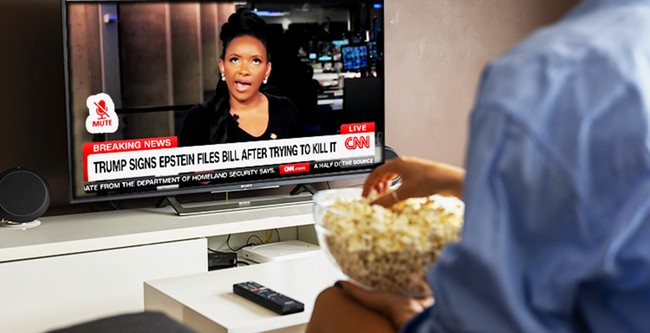
Her campaign launch included a puzzling moment where she remained silent on camera while President Trump’s recorded audio disparaged her, a gambit that looked more like theater than strategy. That stunt did not reassure donors or the party machinery that increasingly favors electability over optics. Voters who care about outcomes rather than viral clips will ask: what does she actually stand for beyond the performance?
She has also been tripped up by basic fact checks and staff mistakes that would be fatal in a close race. One episode involved an accusation about donations tied to a notorious name, only to discover the donation came from a different person with that same tainted surname. Attempts to deflect or recover from these missteps too often read like spin rather than contrition or correction. and
The recent Austin mass shooting offered a clear example of how Crockett’s instinct is to pivot to political advantage, which can come across as tone-deaf in the aftermath of tragedy. She quickly dismissed blaming immigrants and moved to equip herself to criticize guns, but Texas voters treat gun ownership differently than voters in some other states. When you run in a place where firearms are woven into daily life, messaging that appears dismissive of that culture is a risky play.
That risk showed up in a live moment where Crockett seemed to recalibrate mid-sentence and slip into what observers called another code-switching moment. The image of an elite-educated congresswoman trying to perform a folksy Texas persona fell flat for many and looked calculated to others. The spontaneity voters like in a candidate felt manufactured instead, and that damages credibility more than it wins hearts.
Polls have at times shown Crockett with a comfortable lead over James Talarico in the primary, but internal dynamics and a muted party backing complicate the picture. After redistricting cut her out of her old seat, expected institutional support did not materialize the way many nominees receive. That lack of unified backing matters in a statewide race where organization, fundraising, and steady messaging often decide outcomes more than viral moments do.
Late-night media attention and celebrity interviews have favored the flash over the grind of retail politics, and Crockett’s campaign has leaned heavily into that spotlight. When a candidate’s primary offering is spectacle, it leaves serious policy questions and governing plans unaddressed. For Republican voters and undecided Texans, the practical concern is straightforward: entertainment value does not pay the bills or secure the border.
Her opponents and critics note that a nomination for Crockett would turn the general election into a referendum on style versus substance, giving Republicans a clear path to argue for steadier leadership. Meanwhile, those who enjoy the theatrics hope for more episodes, because they make politics feel like a reality show. Either way, Crockett’s run has underscored a familiar lesson—charisma can win attention, but consistency and competence win elections.



Add comment