
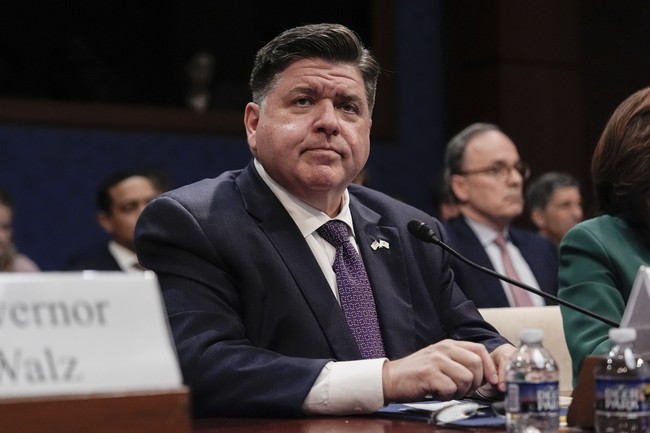
I will explain the Illinois DEI training, highlight the key examples and quotes used in the course, describe how the state presented the material to public and private participants, and note the budget and official endorsements tied to the program.
Illinois Gov. JB Pritzker’s Department of Human Rights offered a state-sponsored training module on microaggressions that included a video titled “How Microaggressions Are Like Mosquito Bites.” The session was presented by the Illinois Department of Human Rights’ Training Institute and was open to public and private participants across the state. The Training Institute is funded as part of a department with a budget near $30 million in 2024, and the course carried an official certificate signed by IDHR leadership.
The training labeled several common statements as race-based microaggressions, including the example “When I look at you, I don’t see color.” The course material explained that the line “denies a person of color’s racial/ethnic experience.” Another listed example, “My best friend is Black,” was treated as “denial of individual racism,” with the message that the speaker believes “I’m immune because I have friends of color.”
The session included a video that directly compares everyday comments to insect bites, dramatizing repeated slights as cumulative harm. The video shows a white woman telling a Black woman, “Oh, you’re so well spoken,” then transforming into a mosquito that bites her, framing routine awkward comments as a persistent, damaging annoyance. The clip escalates to a final scene where a Black woman uses a flamethrower against the mosquitoes, a moment the instructor defended during the session.
The video’s narrator asked viewers to imagine microaggressions as mosquito bites rather than simply “a stupid comment,” and it included several familiar prompts such as “Where are you really from?” and “Oh, your English is so good.” It also covered comments aimed at sexual orientation, for example, “I couldn’t even tell you were gay.” The framing insisted that repeated exposure to such remarks can lead to intense reactions from those targeted, while outsiders may see those reactions as exaggerated.
At one point the video moves from metaphor into explicit danger language and draws a parallel to policing. The narrator warns that “some mosquitoes carry truly threatening diseases that can mess up your life for years,” then continues with the leap to lethal risk by adding, “And other mosquitoes carry strains that can even kill you. He looked like he was up to trouble. Okay, I felt threatened.” That comparison places police officers in the same category as vectors of mortal danger, according to the training.
Michael Patrick, a public service administrator at the Illinois Department of Human Rights who led the May 15 session, told participants, “A lot of times people don’t mean to cause harm, but the impact and the intent is not the same thing. And over time, repeated experiences like that can contribute to things like stress, exclusion, and inequity.” He also defended the flamethrower scene, saying “I had somebody in one of my classes that thought the woman with the flamethrower was overreacting,” and adding that this reaction could indicate the person had not been on the receiving end of repeated microaggressions.
This program is not an informal campus talk; it is a state agency training offered under the official banner of the Illinois Department of Human Rights and promoted to a wide audience of public and private participants. The course materials and video treat common workplace awkwardness as systematic harm and fold law enforcement into the same threatening metaphor used for persistent, harmful comments.
Given Gov. Pritzker’s profile and the state’s investment in institutional DEI programming, many will question whether taxpayer dollars are funding neutral workplace training or a program that advances a particular political and cultural narrative. The material’s tone and metaphors invite debate about the line between workplace education and ideological messaging, especially when the state explicitly endorses and certifies participation.


Prison Now!