
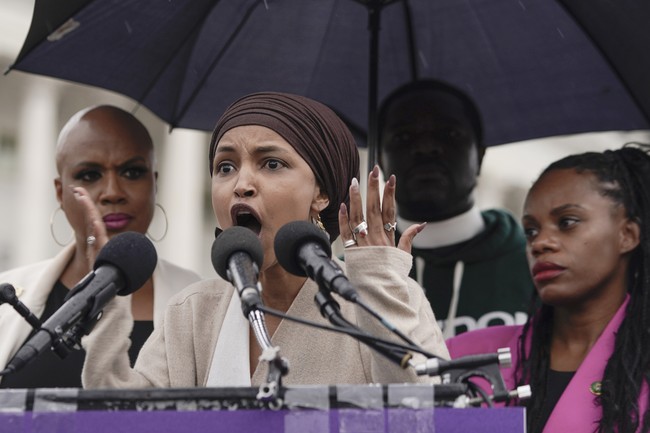
Ilhan Omar is facing renewed scrutiny after court exhibits and testimony in a massive Minnesota fraud case linked to a COVID-era school meal program suggested her name appeared in communications about waivers that allowed widespread payments. The alleged fraud cost taxpayers about $250 million and centers on Feeding Our Future and its founder, Aimee Bock, who has implicated others while awaiting sentencing. Federal and state investigators, plus public comments from national figures, have intensified attention on how waivers were approved and who may have pushed for them. This article walks through the key allegations, the courtroom evidence mentioned, and the political fallout in plain terms.
The core accusation is that Aimee Bock, convicted at trial in 2025 of orchestrating a fraud scheme tied to COVID meal programs, named Rep. Ilhan Omar in exhibits and testimony. Prosecutors say Feeding Our Future moved money to numerous operators through a set of waivers that permitted expanded meal distribution and payments. Bock’s testimony and the trial exhibits reportedly included emails and texts that referenced Omar’s office and asked for assistance with those waivers.
Court exhibits shown at trial reportedly referenced Omar’s name at least six times in exchanges about waivers that helped Feeding Our Future expand its network. The evidence as described by prosecutors painted a picture of operators, many from the same Somali community, contacting Omar’s office for help navigating waiver requirements. Those waivers are central to the allegations because they loosened rules and, according to prosecutors, opened the door for the scheme to scale.
Rep. Ilhan Omar, D-Minn., refused to engage when asked by Fox News Digital if she would cooperate with the investigation into Minnesota’s “Feeding Our Future” scheme.
The progressive lawmaker is accused of having ties to those involved in the scandal that federal prosecutors say cost taxpayers roughly $250 million. But when asked about her connections, Omar stayed silent.
“Did you ask Minnesota Democrats to block the subpoena for the investigation of feeding our future on the state level?” Omar was asked when confronted in the halls of Congress on Monday, but did not respond.
She then ignored a second question: “Would you cooperate with that subpoena and provide documents if they request it here in the House Oversight Committee?”
Among the more pointed claims is that Omar filmed promotional material for a Somali restaurant, Safari, during the pandemic period and later held a campaign event there. Prosecutors and the testimony suggest the waivers helped a number of Somali-owned eateries participate in Feeding Our Future’s network, and those venues then received substantial federal reimbursements. The connection between advocacy by a member of Congress, community outreach, and administrative waivers is central to why this drew federal interest.
The congresswoman’s name came up at least six times in emails and text messages presented as court exhibits in Bock’s 2025 federal trial.
According to Bock, 45, the six email exchanges with Omar were about help with the waivers, after Feeding Our Future reached out to the “Squad” rep’s office.
The waivers opened the floodgates for scores of Somali eateries to join in, like Safari, where Omar herself filmed a promotional video claiming “every day Safari provides 2,300 meals to children and their families” in May 2020. She also held her 2018 election night party there.
Federal prosecutors put the alleged scheme’s cost to taxpayers at approximately $250 million, and Bock’s conviction set the stage for follow-up questions about who else might have aided or enabled the operation. Bock, now awaiting sentencing, reportedly cooperated with authorities and provided details that drew attention to communications involving Omar’s office. That cooperation is a typical prosecutorial step that can broaden an investigation beyond the original defendant.
Public commentary from national leaders added fuel to the debate, with officials saying investigators are examining immigration and other records tied to Omar. One widely reported exchange quotes a national figure describing the situation as suggesting “something fishy is there” and indicating the Department of Justice would follow the facts. Those comments underline that inquiries are continuing and that authorities may expand probes if warranted.
“A lot of the (meal) sites were working directly with her, being that a lot of the operators were from the same Somali community,” Bock said of Somalia-born Omar.
“There were a lot of people that had been reaching out to her office and staff — and I presume her personally — to work through some of those gaps with the waivers.”
While allegations and exhibits can raise serious questions, legal standards remain in place: accusations in court filings and testimony must be tested by investigators and, where appropriate, prosecutors. Rep. Omar has not been charged in this scheme at the time of these reports, and she retains the rights and legal protections afforded to any individual. At the same time, the volume of documentary references and witness statements has prompted growing public and political scrutiny.
The story continues to evolve as investigators review records and follow leads tied to waiver approvals, community outreach, and how federal funds flowed to meal sites. The implications touch on oversight of emergency programs, the role of elected officials in constituent advocacy, and how enforcement agencies respond when allegations involve public servants.
The trial exhibits and testimony that surfaced so far have reshaped public discussion about what happened during the pandemic’s emergency feeding programs, and officials say they will continue to pursue facts. Questions about the waivers, the scale of payments, and who sought help from congressional offices are likely to remain front and center as investigations proceed.

GITMO NOW for this Treasonous Enemy of the Nation!