
The Democratic Party’s identity fight is back in the spotlight after a centrist pledge asking lawmakers to reject socialism drew signatures from only a handful of House Democrats; this piece examines the pledge, reactions from figures like Sen. Jim Banks and Rep. Alexandria Ocasio-Cortez, and what the signatory tally suggests about influence inside the party. It outlines the pledge’s key points, the contrast between public polling and primary results for DSA-aligned candidates, and the political theater around a supposed centrist resurgence. The article keeps the focus on factual developments, quoted remarks, and the political implications of who did—or didn’t—sign the pledge. Embedded items from the original appear where indicated.
Republicans and centrists have been trading barbs over whether the Democratic Party has been overtaken by socialism, and a circulated pledge amplified that clash. The document, framed as a “Promise to America,” lays out a short list of mainstream principles and asks Democrats to formally reject socialism. That simple ask turned into a litmus test of whose wing of the party holds sway, and the answer was revealed in how few members put their names on it.
Senator Jim Banks highlighted the circulation and outcome when he summarized the numbers and the message for his audience. “There are 212 Democrats in the U.S. House of Representatives,” Banks said on X. “Recently, a pledge was circulated to House Democrats reading, “We are capitalist, not socialist.” Only 10 of the 212 signed it. This tells you everything you need to know. The DSA has taken over the Democratic Party.” His comment compressed the debate into a single statistic and a sharp conclusion, and that framing has been repeated in conservative circles.
The wording of the pledge was straightforward: a list of short commitments meant to communicate a centrist posture. Points included lines like “We are capitalist, not socialist,” “We want safety, not lawlessness,” and “We are proud, not ashamed of America.” On its face, the promise read like a reassurance to voters who worry about political extremes, but the signatory count suggested those reassurances did not persuade most House Democrats.
How the DSA and other progressive groups fit into this picture is part reality, part narrative. The Democratic Socialists of America have backed winning primary campaigns in several high-profile races, and that success has prompted both alarm and denial across the political spectrum. For critics, a low number of centrist signers is evidence of infiltration; for supporters of progressive candidates, the result reflects a party in which multiple visions compete for influence.
https://x.com/SenatorBanks/status/2087258966174662835
Critics pointed to recent primary outcomes where DSA-backed or progressive candidates either won or performed strongly, arguing that those results make the pledge more urgent. At the same time, some statewide and nationally visible contests showed that progressive message strength in polls does not always translate into general-election success. Those mixed results feed the narrative that primary voters can be more receptive to left-leaning platforms than the broader electorate.
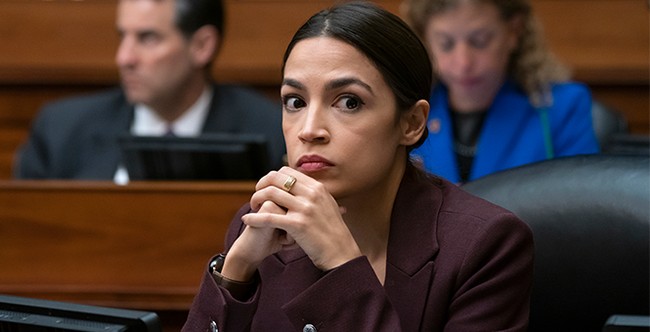
Rep. Alexandria Ocasio-Cortez publicly pushed back against the centrist initiative, questioning its clarity and intent. “All these election officials came together and said, ‘We’re going to sign a pledge against socialism.’ And we say, ‘Okay,’” she told a radio host during an interview for her show. “‘Okay fine, if you’re against them that’s okay. But what do you believe?’ And that I think it’s the core of the weaknesses from that wing at this moment,” she added. Her critique framed the centrist move as reactive rather than offering a compelling alternative agenda.
That response from a leading progressive figure underscored how the pledge debate became more about identity than about specific policy proposals. For centrists, the pledge was a clear demarcation: reject socialism and commit to mainstream principles. For progressives, it was at best unclear and at worst a distraction from building affirmative programs that speak to voters’ needs and concerns.
Numbers matter in politics, and the count of signers turned the pledge into a headline generator. Ten signees out of more than two hundred House Democrats became a talking point used to argue the balance of power within the party. Whether that single statistic proves organizational takeover or merely reflects the diversity of views inside a large party is a matter of interpretation, but the moment did crystallize tensions about direction, messaging, and who controls the narrative going into future cycles.
The episode also highlighted how political theater and messaging tests operate differently than routine legislative politics. Pledges and public commitments draw attention quickly, but they do not always map neatly onto voting records or long-term policy battles. Still, for observers on both sides, the pledge episode provided another data point about alignment, ambition, and how factions try to claim the party label.



Add comment