
The July Consumer Price Index report from the Labor Department showed modest monthly gains and cooler annual core inflation, prompting upbeat reactions from market analysts and a White House spokesperson who tied the numbers to administration policies; the report breaks down grocery and energy trends, highlights core vs headline measures, and leaves the Federal Reserve with data to weigh ahead of its September meeting.
The Labor Department’s monthly CPI release is a snapshot of how prices for everyday items are moving, and July’s figures offered a mix of encouraging signs and lingering pressures. On a monthly basis the broad CPI edged up just 0.1%, and the year-over-year headline figure stands at 3.4%. Those topline numbers signal that price growth is still present but not accelerating out of control.
Core inflation, which removes volatile food and energy components to show underlying trends, rose 0.2% for the month and is 2.5% higher than a year ago. That annual core rate is slightly cooler than the prior month’s 2.6% reading, suggesting some deceleration in the parts of the economy the Fed watches most closely. Markets treated the data as evidence inflationary pressures are not broadening.
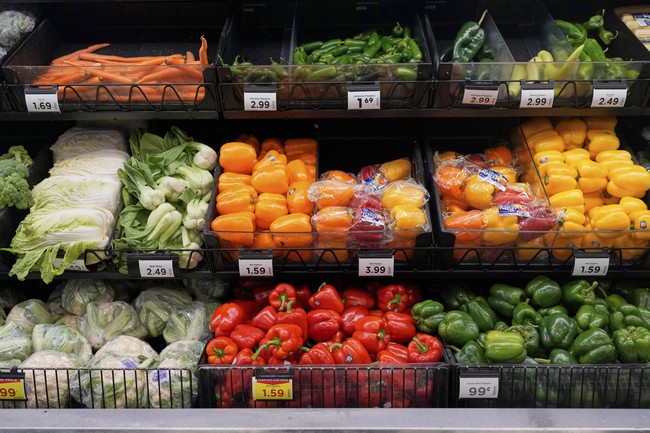
The grocery aisle saw mixed moves in July with specific categories showing meaningful shifts. “The meats, poultry and fish index declined 0.7% on a monthly basis and is up 4.5% from a year ago. Much of that increase has been driven by beef and veal prices, which are up 9.4% in the last year after a 0.8% decline in July. Egg prices fell 0.5% on a monthly basis and are down 25.7% from a year ago as flocks continue to stabilize after an avian flu outbreak.” Those swings reflect supply shocks and recoveries rather than steady, economy-wide inflation.
Produce also moved in uneven ways. “The fruits and vegetables index fell 0.1% for the month and is up 5.1% from a year ago. Lettuce prices fell 16.4% in July amid a cyclospora outbreak, but remain up 7.5% from a year ago.” Short-term disruptions, from contamination scares to weather and disease, can push particular food prices well outside broader trends, which is why core measures exclude food and energy.
Energy remains the most volatile sector and continues to skew headline inflation readings. Energy prices fell 1.5% on a monthly basis in July, but remain up 14.7% from a year ago. That followed a 5.7% decline in June, indicating rapid month-to-month swings tied to global oil markets and supply expectations rather than persistent domestic price pressures.
Financial markets reacted positively to the core inflation signal, and analyst John Lonski characterized the report as showing inflation “not spreading” beyond the energy sector during a panel discussion. That insight mattered to traders looking for clues on whether the Federal Reserve will ease off tightening or keep rates higher for longer.
White House Senior Deputy Press Secretary Kush Desai echoed a favorable take while speaking to media, connecting components of the report to recent administration actions and policies. His remarks stressed policy wins and linked declines in certain prices to measures endorsed by the administration, framing the CPI print as validation of the current economic direction.
.@KushDesai47: “I think we’re seeing more evidence that @POTUS’ long-term economic agenda is paying dividends for the American people. We saw prescription drugs continue to precipitously fall thanks to the President’s Most Favored Nation drug pricing deals—thanks to TrumpRx… you saw Auto insurance prices continue to decline thanks to President Trump getting dangerous illegal aliens off of our streets. You saw beef prices finally cool down and actually decline last month… so again, President Trump’s economic agenda continues to deliver, and today’s CPI report proves just that.”
Desai went on to annualize recent monthly reports, arguing that when the last three months of CPI are viewed that way, inflation comes in “well below the Fed’s 2 percent target rate.” He also acknowledged that oil and gas remain higher than ideal while insisting those costs are not filtering through to broader inflation—an important distinction for policy makers. The White House framing makes the CPI a political as well as an economic signal heading into the fall.
The Federal Reserve will factor these data into its decision-making ahead of the September meeting, balancing headline swings in energy with the steadier picture painted by core inflation. If the Fed concludes that inflationary trends are contained and that wage and price dynamics are cooling, it may be less inclined to tighten further; if it sees stubborn pockets of price growth, policy could remain restrictive. For consumers the immediate story is modest monthly increases with some relief in key categories, even as energy and certain food items continue to be unpredictable.
https://x.com/RapidResponse47/status/2087536868531274132


Add comment