
The Senate landscape for 2026 looks favorable for Republicans, despite recent breathless reports suggesting otherwise; this piece lays out the math, the key races, and why a flip of four seats by Democrats remains unlikely unless several unlikely factors align.
When headlines start claiming the GOP could lose the Senate, it’s worth stepping back and checking the numbers rather than buying the panic. The current Senate split is 53 Republicans to 47 Democrats, with 35 seats contested in 2026 and Democrats needing a net gain of four to take control. That math alone sets a high bar for an opposition that already faces a poor map.
Only a couple of Republican-held seats look genuinely competitive on paper, with Maine and North Carolina frequently mentioned as toss-ups. Most of the other GOP seats up are in states where Republicans have a consistent edge, making the pathway for Democrats narrow and treacherous. Headlines that lump in traditionally conservative states as sudden battlegrounds deserve skepticism unless solid, public polling backs those claims.
“Top Republicans are increasingly worried about private polling that paints a dire picture of the midterms — and it’s not just the House they’re afraid of losing, it’s also the Senate.”
That quoted concern, repeated by various outlets, hinges on private polls we haven’t seen. Without seeing methodology and full toplines, private internals can be misleading or selective. It’s reasonable to suspect these leak-driven panics serve agendas within parties or media, not necessarily to present a full, balanced view of the electoral terrain.
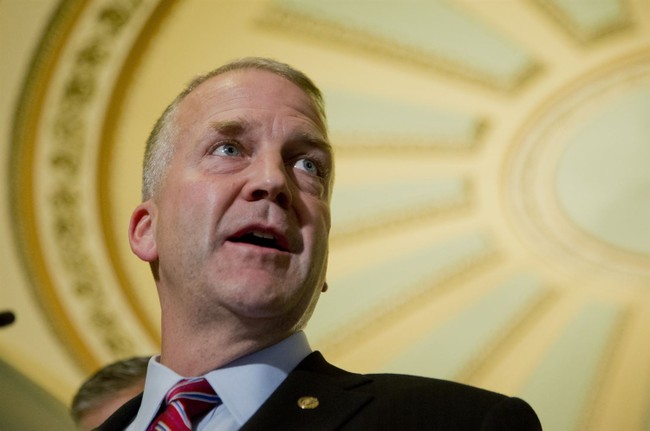
Look at the individual matchups the panic highlights. In Alaska, Sen. Dan Sullivan faces former Rep. Mary Peltola, who enjoys name recognition and favorability from previous runs. Still, the lone public poll cited in some chatter was conducted right after her entry and by a pollster with known partisan leanings, so a close snapshot there is hardly proof of a permanent shift.
Iowa’s Republican nominee, Ashley Hinson, combines a strong fundraising profile with statewide recognition from her congressional tenure and media background. The Democratic bench in that state remains thin and underfunded early on, and no public numbers suggest a blue wave consolidating there. Without credible opposition or major missteps by the GOP side, Hinson looks positioned to compete effectively.
Ohio presents a different dynamic with appointed Sen. Jon Husted facing Sherrod Brown in what some outlets portray as a tight race. Husted benefits from union endorsements that once leaned Democratic, broad statewide experience, and the advantage of incumbency, even if appointed. Candidates who try comebacks after losing often face uphill battles, which further dims prospects for an easy Democratic pickup.
Texas is often framed as a potential surprise in national commentary, but the reality on the ground is more mundane and GOP-leaning. Sen. John Cornyn is navigating a primary field while Democrats sort out a competitive primary of their own, where name recognition and demographic dynamics matter. For Texas to flip, a very specific and unlikely set of outcomes must occur, including unusual primary results and a general election tide that favors Democrats across deep-red constituencies.
Remember how these states voted in recent presidential contests: in 2024, the listed states delivered Trump wins by double digits in many cases, and those margins don’t evaporate overnight. Historical flips show that changing the Senate alignment in a state that voted strongly for the other party’s president requires substantial swings, not brief media narratives. The cited examples of flips in other cycles involved much narrower margins and unique circumstances not broadly present here.
There are three sensible explanations for the current flurry of alarming headlines: the media is exaggerating, internal party operatives are leaking selective data to push narratives, or national committees are manufacturing urgency to motivate turnout and fundraising. Any of those could be true at once, and none should be taken as proof that control of the Senate is suddenly anyone’s to claim.
Midterm campaigns have barely started, and most GOP candidates and allied groups haven’t hit the airwaves in a meaningful way yet. That lag means early polling can overstate trends or reflect name recognition gaps that vanish once campaigns fully engage. Expect the picture to evolve as advertising, debates, and national dynamics settle into place.
https://x.com/RyanGirdusky/status/2019797970372157724
For now, absent major candidate collapses or a genuine, sustained blue wave, the path for Democrats to net four Senate seats looks unlikely. Republicans hold favorable geography, incumbency advantages, and fundraising momentum in key contests, and those structural factors matter most when the dust settles and votes are cast.
Finally, the rush to declare doom benefits some actors more than it informs voters: it fuels fundraising, drives clickbait, and can create manufactured frenzies inside party circles. All of that said, campaigns change, mistakes happen, and no seat is mathematically guaranteed until ballots are counted.



Add comment