
Checklist: Critique Zohran Mamdani’s record on policing; relay Ron DeSantis’s direct appeal to NYPD officers; present Mamdani’s past statements in full; explain Florida’s recruitment incentive; highlight the stakes for public safety and voter consequences.
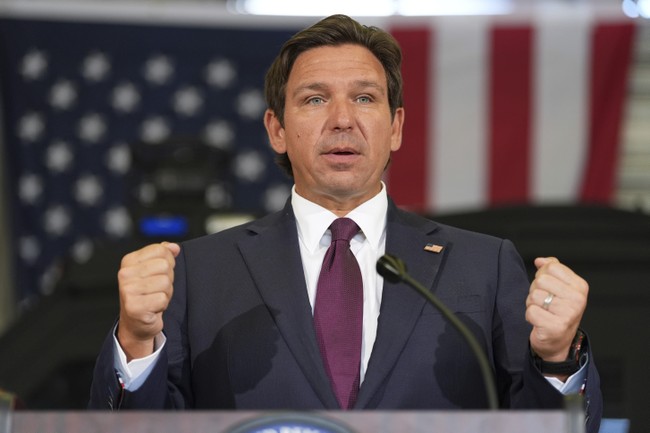
New York City appears likely to choose Zohran Mamdani as mayor, and Governor Ron DeSantis has gone on the offensive with a message aimed squarely at the men and women of the NYPD. DeSantis framed his remarks as a direct question to officers about whether they want to serve under a leader who, he says, opposes them. That blunt appeal echoes broader GOP concerns about public safety and the political direction of big cities.
Mamdani’s past words on policing have resurfaced and are central to the debate over his fitness for citywide leadership. Those statements are cited by critics who argue he favors dismantling institutions rather than reforming them, and they fuel fears among voters and police alike. For skeptics, this is not just rhetoric — it’s a policy signal with real-world consequences for neighborhoods, crime rates, and officer morale.
“No, we want to defund the police,” he wrote in June 2020. Later that year, he added, “Queer liberation means defund the police,” and accused the NYPD of being “racist, anti-queer & a major threat to public safety.” He further condemned budget compromises, writing, “NO to fake cuts, defund the police.”
In December 2020, his rhetoric intensified: “There is no negotiating with an institution this wicked and corrupt. Defund it. Dismantle it. End the cycle of violence.”
That language is forceful, and for many voters it reads as an ideological declaration rather than a pragmatic blueprint. Opponents argue Mamdani’s approach would weaken law enforcement at a time when citizens expect protection and order. Supporters might claim his critiques target systemic problems, but the back-and-forth leaves a lot of officers and residents worried about who would enforce the rules.
DeSantis took the next step: he appealed directly to NYPD officers, offering a tangible alternative for anyone uncomfortable with the idea of serving under Mamdani. He framed the choice as a personal and professional one, suggesting officers might not want to risk their lives under a mayor he described as hostile to policing. That kind of direct outreach is aimed at both personnel and public opinion in swing moments.
We’ll see what happens in the election, but if he [Mamdani] is elected, I think it will be an example of the voters of New York City committing an act of ballistic podiatry because it is going to come back and bite the city. He is so far left, and he mixes his leftism with Islamism. He’s gonna make the [former NYC Mayor Bill] de Blasio years look like the golden days.
And I can tell you in Florida — we’re affected by this. Just with the law enforcement alone, if you’re working in NYPD, do you want to go out there and risk your life, knowing that the mayor hates you? No — a lot of them are not going to want to do that, and in Florida we’ve established a five-thousand-dollar recruitment bonus, so if you are somebody who doesn’t want to serve under that guy as mayor, you come to Florida — any state or local law enforcement agency — you get five thousand dollars right at the top.
DeSantis used both tough talk and incentives, announcing a $5,000 recruitment bonus for officers who relocate to Florida or other jurisdictions that welcome them. That move is positioned as a practical response to what he calls left-wing neglect of law and order. Critics will say it politicizes policing and preys on fear, while supporters view it as shoring up public safety and rewarding service-minded officers.
The broader argument DeSantis is making ties public safety to voter choices, claiming leftist policies have driven people out of big cities. He points to migration patterns and argues that residents leave places where elected leaders turn their backs on police. For conservatives, that creates a strong narrative: elections produce tangible outcomes on safety and quality of life.
I will tell you: If you say you’re going to disband the NYPD, if you put the criminals back on the street, if you engage in far-Left policies that would make George Soros blush, people do respond to that. And of all the people that have migrated to Florida since I’ve been governor, I would say the number one reason they’ve left places — like New York City under De Blasio, like they’ve left Chicago under this mayor and the previous mayor, like leaving San Francisco and Los Angeles — is public safety. Those leftist politicians turn their backs on the police, turn their backs on the rule of law, and then the citizens were the ones that paid the price.
For voters deciding now, these points are meant to sharpen rather than soothe. The debate is not just academic: it affects recruitment, retention, and the daily calculus of officers on patrol. If a mayoral candidate’s record or rhetoric signals hostility to policing, that becomes a career consideration for officers and a community concern for residents seeking safety.
Whether New Yorkers worry most about ideology, lawlessness, or institutional reform, the discussion has moved from campaign rhetoric to operational reality. The stakes are clear: leadership choices determine how cities defend public order and support the people who carry that responsibility. In this battle over priorities, appeals to police loyalty and public safety may prove decisive at the ballot box.


Add comment