
Checklist: explain the SNAP funding cliff and who it affects; report on online threats to loot and organized encouragement; note actions states and officials are taking; include direct quotes and embedded reporting tokens; highlight political responsibility for the shutdown.
Today marks a dangerous moment: SNAP funding is set to run out in three days unless the Senate approves a continuing resolution. Up to 40 million Americans rely on the Supplemental Nutrition Assistance Program, and sudden interruptions would leave families scrambling for basics. This shortage is unfolding amid a partisan standoff that has kept the government partially closed.
Online chatter among some recipients and agitators has escalated into explicit threats to loot stores if benefits do not arrive on November 1. Several posts and videos encourage people to take food and goods from retailers without paying, and a few influencers are amplifying those messages. That combination of hunger and organized incitement creates a real risk to public safety and businesses across the country.
I first noticed talk of an impending SNAP-related crime wave when a Washington, D.C.-based crime reporter that “next week could be hell for retailers” if the benefits don’t show up on time. The reporting pointed to a video of a man urging recipients to go to grocery stores like Publix or Walmart and “steal all their s**t.” Those raw calls for theft are being mirrored in other posts and dedicated accounts tracking threats.
There are whole social streams now cataloging threats to ransack businesses and fight anyone who tries to stop the chaos, and the language is often coarse and violent. Some participants have even coined phrases encouraging bystanders to ignore theft and looting, turning silence into complicity. That sort of viral normalization of criminal acts is alarming and dangerous.
“I’ma tell y’all straight up like this, I just got that text that the link is definitely cut the f**k off for November. Y’all better stay the f**k out of my way in these stores because I’m walking out with carts and I’m not paying for s**t,” one SNAP recipient raged.
Another said, “You know what? Since they wanna take food stamps away, I’m gonna go to f**king Walmart, grab anything I damn want, put that s**t right in the basket and walk right up out that b**h … I’m not paying for a damn thing.”
Those quotes are raw, and they show the risk when public policy breakdown meets social media pressure. Retailers and communities could face property loss, violence, and long-term economic harm if threats turn into action. Law enforcement and store managers will be on edge as supply and access become flashpoints.
Some state leaders are moving to soften the blow for residents who depend on SNAP. In Virginia, Governor Glenn Youngkin declared a state of emergency and activated an emergency nutrition assistance initiative to provide short-term food distribution and allocated state funds to food banks. These local steps show that when federal dysfunction threatens basic needs, governors may have to step in to preserve order and feed people.
It’s also worth noting a practical detail: October’s SNAP benefits were issued on the first of the month because the prior administration redirected $300 million in unspent tariff revenue to bridge the gap. That maneuver kept October from becoming an immediate emergency, but it does not protect November. The funding cliff remains real unless the Senate acts.
This goes straight to political accountability. The shutdown is the result of a congressional impasse, and the votes to pass a clean continuing resolution already exist in the House. Senate obstruction leaves millions of Americans vulnerable and poses a public order problem that could have been prevented. The responsibility for that outcome rests with those refusing to move forward.
Reporting and these embedded clips and accounts illustrate the situation in real time, and they include explicit threats and calls for organized theft. Communities, retailers, and elected officials will have to respond quickly if threats escalate. For now, the best immediate actions are to protect stores, support emergency food distribution, and press the Senate to avoid a humanitarian and law-and-order crisis.
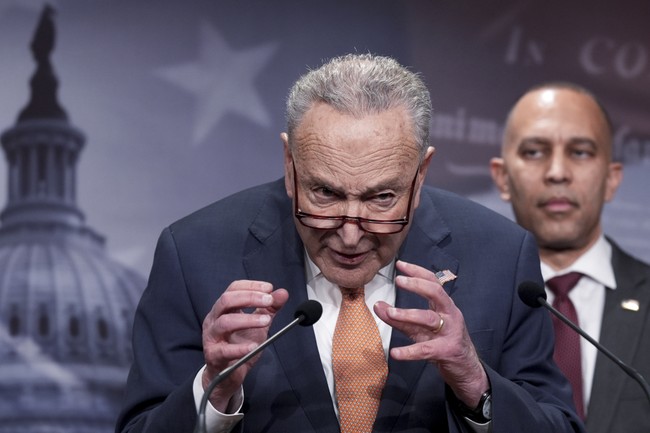
Editor’s Note: The Schumer Shutdown is here. Rather than put the American people first, Chuck Schumer and the radical Democrats forced a government shutdown for healthcare for illegals. They own this.


Add comment