
This piece covers Rep. Rosa DeLauro’s public outburst over SNAP funding during the ongoing Schumer Shutdown, the political blame game around who is keeping the government closed, the arithmetic of votes and contingency funds, and how this standoff is playing out politically for Democrats and Republicans.
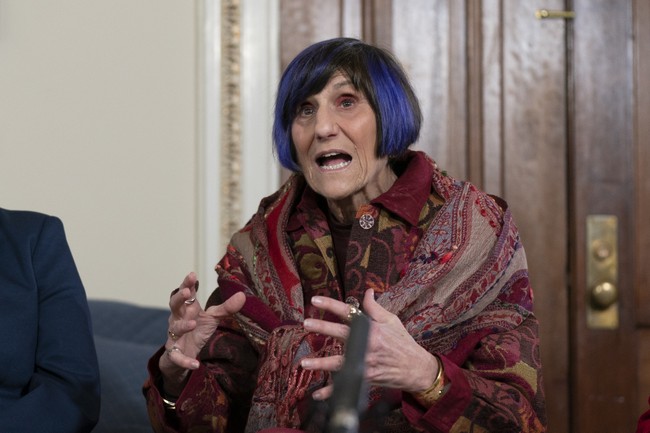
Rosa DeLauro, now 82 and representing Connecticut since 1991, drew attention for a loud exchange on the 28th day of what critics call the Schumer Shutdown. Her vocal attack blamed President Donald Trump for holding up SNAP payments, and she accused the administration of “illegally” blocking those funds. That claim got a lot of attention because it flips the usual script about who is responsible for funding gaps.
The practical question is straightforward: whose votes are keeping the fiscal gears from turning? Democrats have voted against funding bills repeatedly, which has left contingency funds and normal appropriations in limbo. The political reality is that when an appropriations process stalls, Congress—not the White House—typically must act to reopen and appropriate the money.
DeLauro argued the administration was required to disburse SNAP money from an emergency contingency account, but that argument ignores how contingency funding is supposed to function. Contingency reserves exist for true emergencies, not for papering over a stalemate when one party refuses to pass regular appropriations. Calling for emergency use while simultaneously voting against regular funding creates a contradiction that voters notice.
The story gets sharper when you remember that Democrats have voted 13 times to deny funding in this cycle, according to public vote records. That pattern matters because it shows intent: the shutdown is a tactic, not an accident. When a party says the situation is leverage, as some Democrats have admitted, they are signaling that political calculations matter more than immediate relief to affected families and federal workers.
There is a simple fix available: open the government by passing funding bills. Republicans point out that the obstruction comes from those who are voting no, not from the President. The rhetoric about “illegally” withholding funds is powerful theater, but it does not alter the basic mechanics of congressional funding or the fact that votes determine whether money flows.
Politics is at the center of this standoff, and both parties are calculating risks. Republicans have argued that public approval trends show the shutdown is not hurting their standing; in some polls GOP approval has ticked upward since the closure began. That shift is a reminder that blame narratives can backfire when they appear transparently strategic rather than focused on immediate remedies.
The human cost is real: federal employees, contractors, and the families who rely on programs like SNAP face real uncertainty while lawmakers posture. Many of those workers and beneficiaries traditionally support Democrats, which creates political risk for the party seen as willing to let harm continue for leverage. That dynamic complicates any quick retreat without consequences from the progressive wing.
DeLauro’s performance, with its theatrical anger and colorful appearance, became an easy focal point for critics who see the shutdown as a manufactured crisis. She joins a roster of long-serving legislators who are now emblematic of a broader strategy that prioritizes bargaining power over steady governance. Critics argue that strategy is a poor trade-off when the costs fall on ordinary citizens.
The Schumer Shutdown label is now part of the public conversation because party leaders chose confrontation over compromise. Statements like “every day gets better for us,” attributed to Senate Minority Leader Chuck Schumer, are being held up as evidence that some leaders view suffering as leverage. Those words are being used by opponents to argue the shutdown is intentional and politically motivated.
For lawmakers who want to claim moral high ground, the question remains whether rhetoric matches responsibility. Accountability in this moment is not just about who shouts the loudest on the floor; it is about who steps forward to vote to restore services and paychecks. Until those votes happen, the practical fallout continues and the political message will keep shifting in ways that could punish the party perceived as unwilling to act.
The immediate path out is procedural and simple: pass funding measures and restore normal appropriations. The political choices that made this impasse possible will determine how long the pain lasts and which party bears the political cost. For now, the spectacle around DeLauro’s outburst is less important than the votes that remain undone.
Debate over contingency funds and emergency rules will keep ramping up as leaders haggle and the calendar ticks. Observers will watch whether Democrats can reconcile internal divisions between moderates who fear voter backlash and progressives who insist on extracting concessions. In the meantime, the shutdown’s toll grows each day, and pressure to act increases from multiple directions.


Add comment