
I’ll explain what happened, highlight the community’s reaction, describe Specialist Sarah Beckstrom and the Guard’s service in D.C., record a local resident’s moving remarks, and note how the Guard’s presence has helped reduce crime and connect with youth.
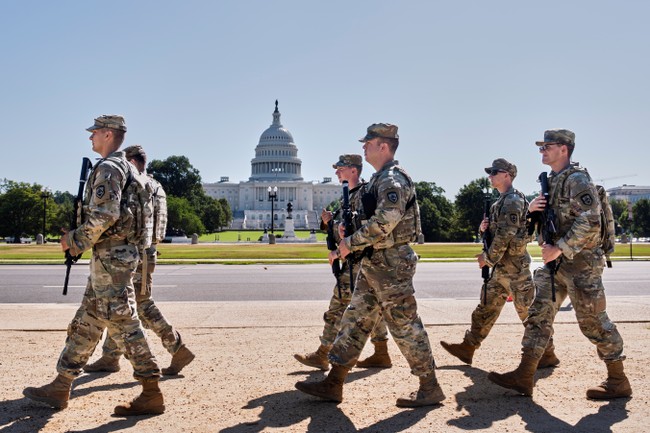
Specialist Sarah Beckstrom, a member of the West Virginia National Guard, was killed recently in Washington, D.C., and Staff Sgt. Andrew Wolfe remains in critical condition after the same attack. Authorities say an Afghan national allegedly shouted “Allahu Akbar” before attacking, and the incident is under investigation as a potential terrorist act. These Guard troops were deployed to support public safety efforts in the city and to help reduce violent crime. Their mission was practical and focused: protect residents, assist local authorities, and be a steady presence on the streets.
The loss of Beckstrom struck people across D.C., and the city’s emergency services formally honored her during the dignified transfer from MedStar Hospital. Her high school principal remembered her with a few simple, telling phrases: a “contagious smile and a positive energy that lifted people around her” and a consistent willingness to help. Those private details give a clearer picture of who she was off duty—a young person committed to service and to lifting others. That steadiness and kindness now sit beside a tragic reminder of the dangers servicemembers can face even while helping at home.
On camera, one D.C. resident spoke for many when asked about Beckstrom’s sacrifice, and his reaction was raw and human. “This young lady came from West Virginia to D.C. to, you know, make sure that our kids were safe here, and she lost her life. It’s heartbreaking,” he said. He thanked her family and West Virginia from the heart of the city, visibly moved as he offered his condolences. That kind of straightforward gratitude matters; it shows civilians recognize the Guard’s role beyond headlines and politics.
The same resident praised the Guard for more than just security. He noted how Guard members have mentored kids, shown up as role models, and engaged young people in ways the community had not seen before. “We appreciate you guys…working with us to mentor our youth, to show out, and be role models, and engage our youth, like they’ve never been engaged,” he said, and then encouraged them to “Keep up the good work, guys.” Those words reflect the community impact that a disciplined, visible force can have in neighborhoods that need structure and support.
Reports from the city show the Guard’s presence made an immediate difference: incidents of violent behavior in some areas fell, and service members intervened in dangerous situations, including breaking up a knife threat. These are concrete effects that residents notice every day, not abstract talking points. When troops act to defuse violence and provide mentorship at the same time, they create a safer environment and build trust with local families. That trust is essential for long-term community stability and for preventing the kind of tragic outcomes that claimed Specialist Beckstrom.
Some in the political class have tried to turn the deployment into a partisan dispute, but many residents reject that noise. People on the ground understand that the Guard’s mission was to protect and mentor, and they appreciate the help regardless of who’s in the White House. For communities dealing with rising crime and under-resourced social programs, practical results matter more than political spin. The public’s gratitude comes from lived experience: fewer violent incidents and more positive adult influences for youth.
Beckstrom’s death is a sober reminder that serving at home can be as dangerous as serving overseas, and that sacrifice deserves clear recognition. Families and communities linked by gratitude and grief are asking for honest acknowledgment of that service. Citizens who see the Guard in action know the difference between rhetoric and results, and they are speaking up in support of those who stepped forward to help. In these neighborhoods, that support is not partisan; it’s personal, and it’s real.


Add comment