
This piece looks at the real, everyday fear people feel in our cities by following the story of “Linda,” a near-victim on Charlotte transit, and argues why those voices matter in the larger debate over crime and public safety. It highlights how incidents that stop short of a recorded crime still shape behavior, how official statistics can miss the lived reality of citizens, and why political narratives from the left often downplay these concerns. The article insists on factoring near-misses into policy discussions about law, order, and urban safety, and calls out how public perception and private fear should influence reforms. Read on for a clear, direct look at why almost-victims deserve attention and what that means for holding officials accountable.
Years ago, a woman I’ll call Linda worked in uptown Charlotte and deliberately avoided public transportation because she didn’t feel safe. She drove to work, parked where she could walk with others, and chose routes that minimized time alone. Her caution wasn’t paranoia; it was a response to a pattern of incidents that make people alter their lives just to feel secure.
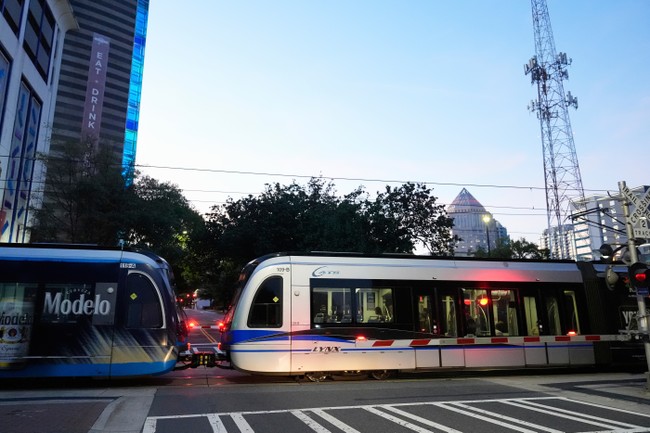
One day she agreed to meet friends for lunch and tried the trolley for the first time, thinking it would be easy and quick. A group of four men boarded and one sat right beside her, eyeing her bag and bumping her several times while talking about how “rich” she must be. Linda froze, worried the man might be armed and terrified that speaking up could make a bad situation worse.
When the trolley reached her stop, the men followed her off the car, and she quickly approached officers standing nearby and said she felt unsafe. She avoided naming them specifically because she wanted the incident to be over and didn’t want to engage further with people she feared. Plenty of citizens act the same way, choosing anonymity and silence over formal complaints.
Stories like Linda’s never show up in neat crime statistics because legally nothing was taken and no assault was completed, yet the impact on her life was real and long-lasting. Millions of Americans adjust routines, pay for alternative transportation, or avoid parts of their own city because of repeated threats or the appearance of danger. Those costs, emotional and financial, rarely get counted when politicians boast about falling crime numbers.
We saw a surge of similar accounts after the August stabbing murder of Iryna Zarutska, when transit riders started coming forward with scary encounters that had been ignored or downplayed. Those near-misses reveal a broader erosion of safety that official metrics can miss or sidestep. When cities insist everything is fine, it’s ordinary people who pay the price by living in fear and limiting their freedom of movement.
On top of underreported incidents are incentives within some blue-run cities to massage crime data or focus on narrow definitions that exclude many harmful episodes. That’s not just skepticism; it’s a practical concern when public policy is based on numbers that don’t match what residents experience. If leaders cherry-pick statistics to fit a narrative, they’re not solving the underlying problems — they’re papering over them.
The left routinely frames urban safety as improved or stable, often using selective data to defend progressive approaches to policing and public order. But when everyday citizens tell stories of harassment, near-robberies, and intimidation, those voices undercut the political storyline. Ignoring the almost-victims is a political choice that sacrifices honest debate for image control.
Policy should account for both recorded crimes and the pervasive fear that changes how people live. Practical steps include restoring visible policing in high-traffic areas, cracking down on repeat offenders who create hostile transit environments, and improving response options for people who feel threatened but may not be able to safely file a report in the moment. These measures are common-sense, pro-community, and aimed at returning normal life to people who now live extra-cautiously.
Conversations about crime need to include near-misses because they shape behavior and reveal failures in public safety. When officials refuse to hear those stories, they are choosing political convenience over citizens’ lived realities. We should demand policies that restore order, respect victims’ experiences, and make it clear that no one should have to change their life just to avoid becoming a statistic.


Add comment