
Checklist: critique Biden’s energy moves; describe his Jay Leno remarks; highlight consequences for energy independence; note hypocrisy on green tech; include original quotes and embeds.
Jay Leno’s conversation with Joe Biden turned into a revealing moment about energy policy and political priorities. Biden’s comments, delivered casually on “Jay Leno’s Garage,” underscore choices that reshaped American energy strategy. This piece walks through those remarks, the broader implications for energy independence, and a frank look at the technology gap between fossil fuels and current green alternatives.
Jay Leno built a career joking about cars and collecting them, and that context makes this exchange especially sharp. When a former president or a current national figure talks casually about restricting drilling and mocking wind turbines, it isn’t just an offhand remark. It’s a window into a worldview that prioritized shutting down domestic energy production without delivering a robust, ready replacement.
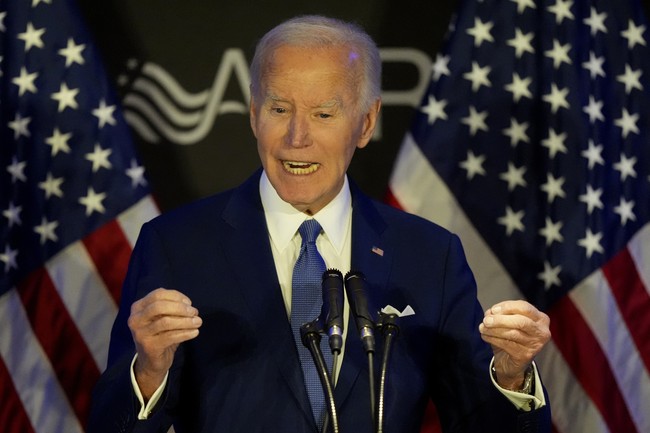
Here’s Ole Joe appearing with Leno, reminiscing about his attempts to kneecap America’s energy supply:
Biden:
https://x.com/RNCResearch/status/2067245432204349443
…the other thing I was able to do, I made sure there could be no oil drilling off the East Coast, the West Coast, and 150 miles —
The audible portion of his next sentence is muddled, but the intent is clear: policy choices were made to sharply limit offshore drilling. Those choices have real effects on supply, prices, and geopolitical leverage. When leaders remove domestic production options, the built-in consequence is more reliance on foreign energy and volatile global markets.
Later in the clip, Biden dismisses wind turbines with a flippant line that landed like an insult to sound policy debate. He said, “No more windmills. Yeah, because they killed birds. Yeah, give me freaking break.” That line, while colorful, sidesteps the larger conversation about energy reliability, cost, and scale.
No more windmills. Yeah, because they killed birds. Yeah, give me freaking break.
Counting bird fatalities is one thing; counting the lost hours of reliable, continuous energy is another. Wind and solar are part of the future, but they are intermittent resources and still need massive battery storage or backup generation to match baseload power. The blunt truth is that phasing out fossil fuels without a fully viable replacement plan risks economic damage and strategic weakness.
There’s also a bit of theater here. Leno, a lifelong car fan and collector, represents a slice of the public that understands energy as a practical need, not an ideological symbol. Biden bantering about turbines while sitting with someone who loves internal combustion cars lays bare the disconnect between policy theater and technological reality. People sense the mismatch when policy sacrifices reliability for a headline.
Policy decisions aren’t just words; they affect manufacturing, jobs, and national security. Consider what happens when domestic energy production is curtailed: supply shrinks, costs rise, and adversaries gain leverage. Those are not abstract outcomes; they translate to higher prices at the pump, higher utility bills, and a weaker hand in foreign policy.
Critics of the shutdown approach argue there was no equivalent, scalable alternative ready to take over. Renewable tech has made progress, but it still struggles with cost, grid integration, and storage at the scale required to replace fossil fuels outright. Cutting supply without a full, concrete plan to replace it is a risky bet, and the American people pay the tab when that gamble goes wrong.
Asking for accountability on these decisions is not nostalgia for the past; it’s a demand for sensible transition planning. If policy aims to change the energy mix dramatically, it should come with timelines, demonstrated technologies, and contingency plans that avoid economic shock. People deserve leadership that balances ambition with realism.
Laugh all you want, but the stakes are serious. Choices made in the name of progress should not leave the country more dependent on foreign suppliers or less able to power industry and homes affordably. That’s a sober point, even if delivered amid banter on a garage set.
Editor’s Note: Thanks to President Trump’s leadership and bold policies, America’s economy is back on track.

Add comment