
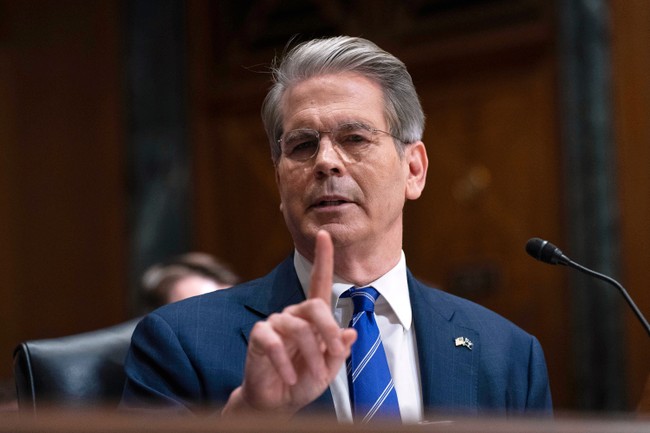
Scott Bessent pushed back hard on the anti-Trump media narrative when pressed about the Border Patrol shooting in Minnesota, putting blame on state leadership and accusing local actors of stirring chaos; his exchange with Jonathan Karl highlighted disagreements over protesters, weapons, and who is responsible for public safety.
Scott Bessent has quietly become one of the sharper voices in the Trump administration, and he didn’t flinch when ABC’s Jonathan Karl tried to steer him into a predictable gotcha moment. Bessent used the interview to shift focus away from partisan finger-pointing at federal agents and toward what he says are failures of state leadership. That shift matters because it reframes responsibility from federal actors to local officials who control on-the-ground resources.
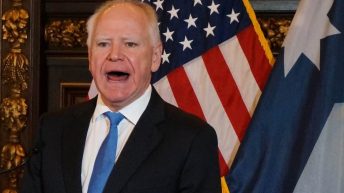
The Minnesota incident that left a protester dead drew instant outrage and a media rush to condemn federal law enforcement. Instead of joining that chorus, Bessent argued the circumstances were more complicated and tied the unrest to decisions by Governor Tim Walz. He said Walz declined to provide state security support when Bessent visited, an omission the secretary contends has contributed to a combustible environment.
Bessent didn’t shy away from blunt language, and his approach is intentionally confrontational. He emphasized that his role as Treasury secretary includes investigating waste, fraud, and abuse connected to these protests, and he suggested that paid agitators are inflaming tensions. That claim undercuts a simple narrative of peaceful demonstrators versus oppressive federal forces and introduces the idea of organized disruption.
The interview’s back-and-forth quickly turned personal and pointed, revealing how uncomfortable mainstream media figures get when challenged. Karl insisted the deceased protester had no history of brandishing a weapon, while Bessent remained fixated on the fact that a nine-millimeter semi-automatic was present. That dispute over basic facts shaped the tone of the exchange and left viewers with competing versions of what happened.
KARL: And before you go, I know this is not your lane, but I got to ask you about what’s happened in Minneapolis. As a member of the — of the Trump cabinet, are you concerned to see another American citizen ends up dead, shot by federal law enforcement?
BESSENT: Jonathan, it’s a tragedy when anyone dies, but I can tell you the situation on the ground there is being stirred up by Governor Walz. I was out there two weeks ago. Governor Walz declined to provide a security detail for me to go into the Minnesota capital with the state police. So, he is fomenting the — he is fomenting chaos because there is substantial waste, fraud and abuse.
My job as Treasury secretary is to investigate that, and I think that, you know, this chaos that’s going on out there, and again, I am sorry that this gentleman is dead, but he did bring a nine-millimeter semi-automatic weapon with two cartridges to what was supposed to be a peaceful protest. I think that there are a lot of paid agitators who are ginning things up, and the governor has not done a good job of tamping this down.
KARL: Yes. I mean, as you know, he was an ICU nurse, worked for the Veterans Administration, and there’s no evidence that he brandished the gun whatsoever. In fact, it appears that —
BESSENT: He brought a gun. (CROSSTALK)
KARL: He’d been disarmed before he was — (CROSSTALK)
BESSENT: He brought a gun. Have you ever gone to a protest, Jonathan?
KARL: I mean, we do have a Second Amendment in this country that —
BESSENT: Jonathan, have you ever gone to a protest?
KARL: I mean —
BESSENT: Have you gone to a protest?
KARL: I mean, I’ve — no, actually, as a reporter covering it.
BESSENT: OK. I’ve been to a protest.
KARL: Yes.
BESSENT: Guess what? I didn’t bring a gun. I brought a billboard.
KARL: OK. Secretary Bessent, thank you for joining us.
Bessent’s tone is unapologetic and straight to the point, and that directness plays well with conservatives who are tired of reflexive anti-enforcement narratives. He framed the issue as one of law and order versus orchestrated disorder, arguing that the presence of weapons and agitators changes the context of protests. Those assertions force a different set of questions about policing, protest safety, and the responsibility of local officials.
Critics will say pointing at Governor Walz is political posturing, especially with 2028 in view, but Bessent’s line of attack is consistent with a broader conservative argument: when unrest erupts, local leaders who control state police and security bear responsibility for protecting citizens and federal personnel. That argument also fits a message that seeks accountability for enabling chaotic situations rather than immediately blaming federal actors.
The exchange also exposed how quickly mainstream reporters try to reduce complex incidents to tidy moral judgments. Bessent pushed back on that simplification by highlighting investigative responsibilities and alleged missteps by state leadership. Whether you agree with his take or not, his remarks broaden the debate beyond a single tragic moment to the policies and decisions that shape these dangerous confrontations.
Watch:
Add comment