
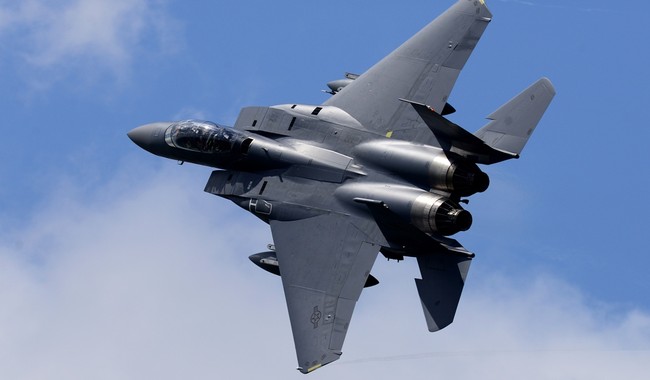
The story: three U.S. F-15E Strike Eagles supporting Operation Epic Fury were reportedly shot down by Kuwaiti air defenses in a friendly fire incident, all six crew ejected and were recovered, video and photos are circulating showing rescues and local gratitude, and while investigations are expected, the immediate focus is that our service members are safe.
Three F-15E Strike Eagles went down during Operation Epic Fury in what officials have called a friendly fire episode. Kuwaiti air defenses are said to have been responsible, and all six aircrew ejected and were recovered in stable condition. The planes are replaceable, but the lives of trained aviators are not, and that should frame the response.
There are multiple photos and videos circulating on social media that claim to show airmen during and after the incident, and those images have stirred a lot of reaction online. The posts have not been officially confirmed by every authority, but they have not been broadly debunked either. For now, the footage is the clearest public window into what happened on the ground after ejection.
Kuwait put out a statement saying that the pilots in stable condition.
Of note — one of our pilots is a female and appears to be safe.
The 6 soldiers are still in Kuwait.
One clip shows a pilot smiling and being checked on by a Kuwaiti civilian who tells him, “You are safe. Thank you for helping us!” That moment has gone viral because it captures something simple and human amid an ugly mistake. Seeing grateful locals aiding American airmen underscores the complex realities on the ground in coalition operations.
Another video, widely shared, shows what appears to be one of the jets crashing and crewmembers parachuting to earth. That footage is jarring and makes it clear how close this was to turning tragic for those parachuting. The fact that no crew was taken into hostile custody is a relief and a testament to quick local assistance and recovery efforts.
Podcaster Noam Blum called the rescue footage “the most wholesome video of a shot-down pilot I’ve ever seen.” That reaction sums up why these clips are spreading: they humanize service members and show civilians stepping forward. In tense theaters, those images can momentarily cut through political noise.
There are other clips that show crowds helping and checking on the aircrew, and those scenes have been shared repeatedly across platforms. The visuals suggest gratitude toward U.S. forces from at least some segments of the local population. Those local interactions matter for operations and for the strategic narrative Americans should expect from the theater.
As for the broader consequences, three aircraft lost to friendly fire is a serious equipment and procedural problem that will demand answers. There will be internal investigations into rules of engagement, identification procedures, and communications between coalition partners. Republicans will rightly press for accountability while also insisting that we prioritize crew safety and readiness for any follow-on missions.
It’s worth noting that these events could have been far worse, not only because of the loss of aircraft but because downed crews can end up in much more dangerous situations. In this case, recovery happened quickly and crews were reportedly stable, which is the immediate good news. The long-term issue is preventing a recurrence when allied or partner defenses are operating in congested airspaces.
There has been public reaction praising the speed and humanity of rescuers, and some commentators are using the footage to highlight support for U.S. operations. Political arguments follow every incident, and from a conservative perspective this one highlights the importance of clear command and control and robust coordination with host-nation defenses. If mistakes like this are going to happen, the system must learn fast and fix gaps before lives are risked again.
The focus for now should remain on the aircrew’s recovery and on ensuring families have accurate information. Investigations will follow and there will be questions for both U.S. and partner forces about how identification and engagement protocols broke down. For service members and the public, the priority is maintaining readiness, protecting personnel, and making sure lessons are applied across the force.


Add comment