
Checklist: highlight the liberation of Iranian women, critique American feminist priorities from a Republican angle, note the role of Trump and military action, expose leftist virtue signaling and its consequences, and preserve original quoted material unchanged.
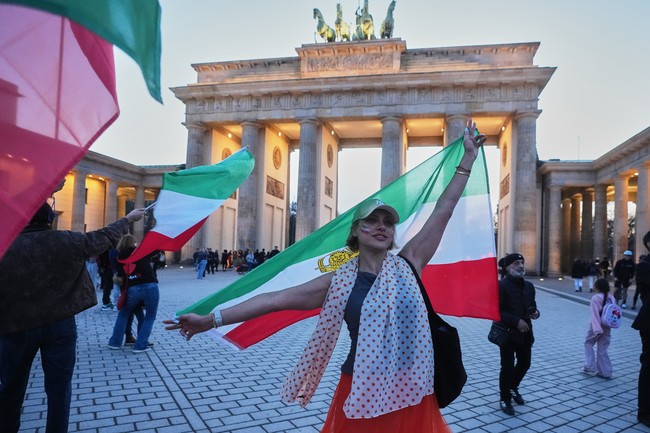
Iranian streets erupting in dance and celebration feel like a long-awaited turning point. For the first time in 47 years, Iranians see a real chance to replace an oppressive theocracy with a secular, pro-Western future. Women who lived under harsh restrictions can finally imagine more freedom in how they dress, work, and move through public life. That should be a universal cause for celebration among women everywhere.
Yet the loudest activists in America—the self-identified feminists who have campaigned for women’s rights for decades—are noticeably quiet. Their silence is striking because radical change in Iran directly advances the core goal they claim to hold: liberty for women. Instead of cheering, many act as if supporting Iranian women would betray their domestic political commitments.
The reason isn’t a mystery; it’s political priorities driven by a deep antipathy to Republicans. For many on the left, everything filters through Trump Derangement Syndrome. Their top fears include cuts to abortion funding and cultural fights they believe Republicans are waging against women. Those fears shape where they put their energy and whom they choose to defend.
They already treated the defunding of Planned Parenthood and debates over the SAVE America Act as existential threats at home, and those battles absorb attention and outrage. Meanwhile the plight of women under an Islamic regime gets deprioritized because the issue doesn’t fit the convenient narrative. American feminists end up defending positions that protect political allies and slogans more than women’s real freedom.
Transgender politics provide another example of misplaced priorities. Many feminist organizations now prioritize transgender inclusion in women’s sports and spaces, a stance that often sidelines biological women’s hard-won protections. When the movement’s rhetoric elevates identity politics above sex-based rights, the result is a fractured agenda that confuses outsiders and alienates the very people the movement claims to serve.
There are also concerns about appearing Islamophobic. For left-leaning feminists, avoiding any criticism that might be labeled anti-Muslim has become a reflex. That caution is understandable in a pluralistic society, but it can translate into an unwillingness to support women who are actively resisting religiously enforced oppression. The result is a moral calculus that protects ideology over individual liberty.
The scene in America further illustrates the divide. Iranian-Americans celebrating freedom meet with counter-protesters whose opposition is defined by opposition to Trump rather than sympathy for liberated women. Organized anti-war, anti-Trump leftists sometimes protest military actions reflexively, even when those actions weaken tyrannies that oppress women. In practice, that means Iranian women’s victories can be dismissed if a Republican administration claims credit.
From this view, the silence of many American feminists is less a mystery and more a choice. Political loyalty and brand protection matter more than universal principles when those principles conflict with the left’s broader narrative. The consequence is predictable: a selective feminism that fights hard for symbolic cultural battles at home while ignoring concrete gains for women abroad.
That pattern matters because it reveals what the movement truly prioritizes. If the freedom and equality of all women were the overriding concern, cheering the end of decades of repression in Iran would be a no-brainer. Instead, what we see is a political movement that measures victories by whether they advance a domestic agenda and protect ideological allies.
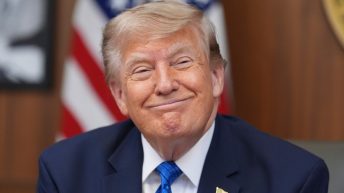
Donald Trump has been credited by many on the right with taking decisive action against Iran, an action that supporters say has created space for Iranian citizens to reclaim their future. The political lens through which American feminists view such events determines whether they celebrate or criticize. For millions of Iranians, though, the immediate reality is simple: oppressive leaders are falling and women are getting a shot at more freedom.
READ MORE: Iranians Worldwide Celebrate Victory As Khamenei, Other Top Leaders Meet Their Maker
ALSO READ: Feminism Is No Longer a Movement; It’s a Brand
Editor’s Note: For decades, former presidents have been all talk and no action. Now, Donald Trump is eliminating the threat from Iran once and for all.


Add comment