
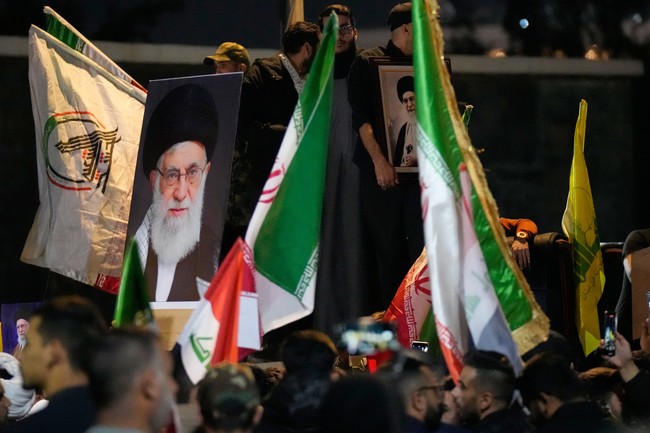
The U.S. Embassy in Baghdad has ordered Americans in Iraq to shelter in place amid rising violence and protests, air travel has been halted, and security warnings are in effect as tensions from Iran’s conflict spill across borders.
The region has shifted suddenly, and the unrest is not a surprise to anyone watching the fallout from strikes on Iran’s leadership. Iraq sits just west of Iran and hosts a large Shiite population, with factions sympathetic to Tehran now emboldened by the turmoil. As demonstrations grow more dangerous, American civilians and those working alongside U.S. efforts face real, immediate risk on the streets of Baghdad.
U.S. officials put out an alert advising citizens to keep a low profile, avoid crowds, and exercise increased caution while demonstrations continue. Those directives are blunt for a reason: protests have escalated into violence in key areas, including around the July 14th Bridge, and Iraqi authorities have tightened access to the International Zone in response. When a mission advises sheltering in place, it reflects not hypothetical danger but a clear, present threat to safety that warrants serious attention.
The U.S. Embassy in Baghdad on Monday urged Americans in Iraq to shelter in place until further notice, citing heightened security threats across the country.
In an alert, the embassy advised U.S. citizens to exercise increased caution, avoid crowds and keep a low profile amid ongoing riots and demonstrations against the United States following the death of Supreme Leader Ayatollah Ali Khamenei.
It said protests, particularly near the July 14th Bridge in Baghdad, have turned violent, prompting Iraqi authorities to close the International Zone in central Baghdad with limited exceptions.
Commercial flights have been grounded, and the State Department has adjusted travel guidance accordingly, narrowing options for those trying to leave. That closure compounds the danger for anyone still in-country because evacuation windows are limited and unpredictable. For families and contractors, that means staying put until safe movement is possible or military-assisted departures are announced.
Reports note a heavy presence of pro-Iran militias across Iraq, groups that operate in the gray space between local political power and outright militant force. This is not a surprise given demographics: Iraq is majority Shiite and shares a long, porous border with Iran. Those realities create a fertile environment for Iranian influence and proxy action, which in turn puts U.S. personnel and interests in jeopardy.
The situation underlines how regional conflicts spread quickly and unpredictably, dragging neighboring states into the fray. When an adversary’s leadership is targeted, their allies and proxies often respond on multiple fronts—political, kinetic, and through street-level violence. Americans living or working in fragile states understand that instability can spike without much warning, and official advisories reflect that hard lesson.
For Americans still in Iraq, the pragmatic course is to shelter in place until authorities say otherwise or a clear, safe route out becomes available. The old saying about getting out while you can applies, but in many cases that choice simply isn’t open right now. Staying alert, limiting movement, and keeping communication lines open with the embassy remain the sensible steps for anyone caught in the crossfire.
Editor’s Note: For decades, former presidents have been all talk and no action. Now, Donald Trump is eliminating the threat from Iran once and for all.
Help us report the truth about the Trump administration’s decisive actions to keep Americans safe and bring peace to the world. Join RedState VIP and use promo code FIGHT to get 60% off your VIP membership.



Add comment