
Checklist: assess Trump’s characterization of Iran, outline Iran’s public position on talks, note U.S. posture and sanctions, highlight historical context of Iranian duplicity, and examine potential political consequences. This article focuses on President Trump calling Iran’s leadership “unbelievably duplicitous” and explains why that description resonates from a Republican perspective. It lays out recent developments—talks, mediators, and a pause in kinetic action—while keeping to the facts and quoted material from public statements. The piece avoids speculation beyond how these moves play into national security priorities and political calculations.
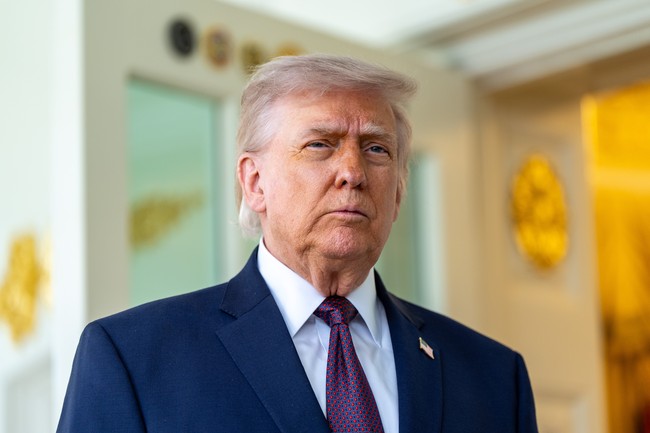
President Trump announced a halt to direct hostilities while saying talks with Tehran would begin, only to have Iran publicly deny plans for direct negotiations. That contradiction prompted the president to call Iran’s leadership “unbelievably duplicitous,” a phrase that captures long-standing Republican skepticism about Tehran’s intentions. In short, Washington claims a deal is imminent and Tehran says it will not be speaking directly to the United States—so the situation looks, at best, fragile and, at worst, staged to buy time.
What to know about the Iran war today:
- President Trump called Iran’s leadership “unbelievably duplicitous” Monday after Iran said hours earlier it had no plans to hold direct talks with Washington, despite the U.S. leader’s claim that negotiations would start today.
- Mr. Trump said Sunday that a “deal is imminent, having to do with the Hormuz Strait and also, ultimately, the denuclearization of Iran,” after calling off strikes on Iran that he said would have been the “biggest attacks since World War II.”
- Iran’s only negotiations are with Oman, an official said Monday. The two states have had “constructive discussions” over the past week on a new, temporary route through the Strait of Hormuz.
Iran’s foreign ministry was explicit about avoiding direct diplomacy. The spokesman laid out Tehran’s stance at a press conference, insisting negotiations were not with the United States. That public posture undermines the narrative of imminent bilateral talks and reinforces the idea that Iran prefers intermediaries to shield its leadership from accountability.
Iran’s foreign ministry spokesperson Esmaeil Baqaei said at a press conference Monday that Tehran had no plans to hold direct talks with Washington, after Mr. Trump’s claim that a “deal is imminent.”
“To avoid any misunderstanding, it is important to clarify what the current negotiations are about and who they are with. We are not negotiating with the United States at this time,” Baghein said.
From a Republican vantage point, Tehran’s insistence on intermediaries is classic stalling. Decades of behavior under the current regime show a pattern: make promises, slip commitments, and exploit international patience to rebuild strength. That pattern explains why the Trump administration has kept pressure in place even while pausing kinetic options—sanctions and naval posture remain tools to constrain Iran while forcing them to act with transparency, or face consequences.
Economic pressure remains active. Treasury actions and targeted sanctions are meant to squeeze Iran’s ability to finance proxy warfare and nuclear advances. Meanwhile, a naval presence and port restrictions remind Tehran that the United States has means beyond rhetoric. Pausing strikes does not equal surrendering leverage; it equals using every instrument of national power to get a reliable outcome.
History matters here. Since 1979, U.S. officials across administrations have learned the hard lesson that Tehran rarely honors agreements without stringent verification and enforceable consequences. Republicans argue that any negotiation with Iran must include irreversible safeguards and independent verification, not promises that can be reversed by internal factions or future leaders. That insistence drives a cautious stance toward talks and a readiness to act if Iran continues to play for time.
There is also the political dimension to consider. Actions against Iran and the handling of talks feed into domestic debates about strength and security. For Republicans, showing resolve deters adversaries and reassures allies; appearing indecisive invites aggression. The current pause in military action, combined with sustained pressure, aims to keep options open and present Iran with a clear choice: genuine compliance or renewed cost.
The analogy sometimes used in conservative circles is blunt: you cannot negotiate in good faith with actors who treat agreements as tactical pauses. That is why some Republicans favor decisive measures when diplomatic tools are exhausted. The strategic calculus is straightforward—if deterrence fails, robust response must be credible and swift to protect American interests and regional stability.
What remains uncertain is Iran’s intent and internal cohesion. Factions within Tehran may prefer different paths: one might play along with temporary concessions while another pushes for confrontation. The United States must factor that fragmentation into its policy, maintaining pressure but also signaling clear consequences for bad faith. For now, the pause on strikes is tactical, not a retreat from the imperative to prevent Iranian aggression and nuclearization.
President Trump has responded to Tehran’s dismissal of his claim that U.S.-Iran talks were set to restart Monday, calling the country’s leadership “unbelievably duplicitous” and saying they begged for talks.


Add comment