
This article examines President Trump’s public defense of Defense Secretary Pete Hegseth after media reports of a Camp David confrontation over munitions shortages, critiques the anonymous sourcing used by outlets, and relays official pushback calling the story false while preserving the president’s exact statements and embedded items.
When reports surfaced suggesting the U.S. was running low on munitions tied to the Iran situation, the press amplified the story quickly and loudly. The narrative painted a tense scene at Camp David and implied the president had angrily confronted his defense chief. That framing set off a chain of denials and public rebuttals from the White House.
One particular outlet claimed an explosive private meeting left the president “boiled over” and demanding answers. The article repeated anonymous assertions about shortages and internal unhappiness, which immediately drew pushback from officials who were present. The Post version of the tale even ran an exclusive tone, but its anonymous sourcing raised immediate skepticism among those familiar with the events.
In response to that narrative, White House Press Secretary Karoline Leavitt stated the incident “literally never happened,” saying she was there and saw no such confrontation. That flat denial undercut the anonymous accounts and shifted attention to why such a story would be published without firmer sourcing. The exchange highlighted the ongoing tension between official accounts and unnamed sources in high-stakes reporting.
The original report included a dramatic lead:
EXCLUSIVE: President Donald Trump’s frustration over the Iran war boiled over at Camp David last week, where he demanded answers from Defense Secretary Pete Hegseth on why he had apparently been misled on extreme munitions shortages that now threaten to limit military options with Iran.
Officials and allies quickly characterized that portrayal as false and misleading. The White House said the anonymous sourcing was wrong, and the president himself took to Truth Social to denounce the coverage. His full remarks left no ambiguity about where he stood and how he feels about both the reporting and his defense secretary.
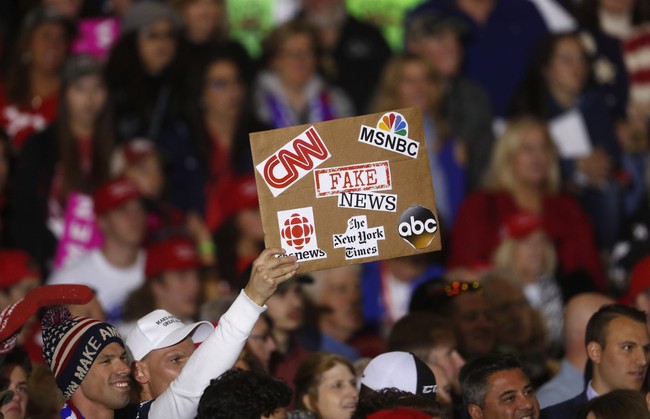
On Truth Social the president blasted the outlet he labeled “The Washington ComPost” and described the reporting as part of a wider pattern of what he calls Fake News. He wrote bluntly about leakers and the administration’s position on munitions, insisting there were “massive amounts of ‘munitions,’ especially of certain types.” That language was meant to counter the narrative of critical shortages.
He also addressed leakers directly, warning they were being pursued and called the anonymous reports “treasonous.” The rhetoric underscored how seriously the administration treats leaks and perceived media bias, and it framed the story as not just inaccurate but actively harmful. Those comments stirred debate about both accountability and press responsibility.
https://x.com/TrumpDailyPosts/status/2085415147435368664
The president’s post went further, praising Pete Hegseth and explicitly rejecting the ouster rumors that had spread after the anonymous piece appeared. He declared “I am extremely happy with the job that Pete Hegseth is doing,” and cataloged what he considers Hegseth’s achievements. The statement drew a clear line between the administration’s appraisal and the anonymous accusations floating in the press.
That full passage included several pointed endorsements and policy boasts, presented exactly as released by the president:
“The Fake News, as usual, is spreading false and completely unfounded rumors”
“Their reporting is TREASONOUS.”
Pete is CRUSHING IT for America 🇺🇸
“The Fake News, as usual, is spreading false and completely unfounded rumors. I am extremely happy with the job that Pete Hegseth is doing. Everything has been extraordinary, including our attack on Venezuela, where the result was accomplished in less than one day, allowing us to bring one of the worst criminals anywhere in the World, Nicolas Maduro, to Justice!”
“Likewise, Iran, where the country has been decimated for the purpose of NOT ALLOWING IT TO EVER HAVE A NUCLEAR WEAPON, is going very well!”
“Pete is highly respected within the Military, and has made tremendous improvements, including getting rid of DEI, and increasing recruitment to historic levels.”
“This rumor was started by The Washington ComPost, one of the worst Media Outlets in the business, despite our telling them their story is completely FALSE. In actuality, I really believe their fake “reporting” is treasonous! President DONALD J. TRUMP”
Beyond the public denials, this episode puts a spotlight on how anonymous sourcing can shape major narratives. Reporters argue for protecting sources; officials argue for transparency when reputations and national security posture are at stake. Both sides claim the mantle of truth, but the public is left sorting conflicting accounts.
The ongoing chant of anonymous “people with knowledge of the situation” remains a staple for some outlets, despite repeated disputes from named officials. That practice has consequences for credibility, especially when high-level denials are sharp and specific. The back-and-forth here is unlikely to disappear; each new claim prompts fresh rebuttals and renewed scrutiny of how important stories are constructed.
In the end, the clash over this specific Camp David story became less about the meeting itself and more about who gets to shape the narrative. When anonymous accounts and flat denials collide, the result is intense public debate rather than quiet clarification. That reality will keep driving attention to sourcing practices and the political stakes behind every headline.


Add comment