
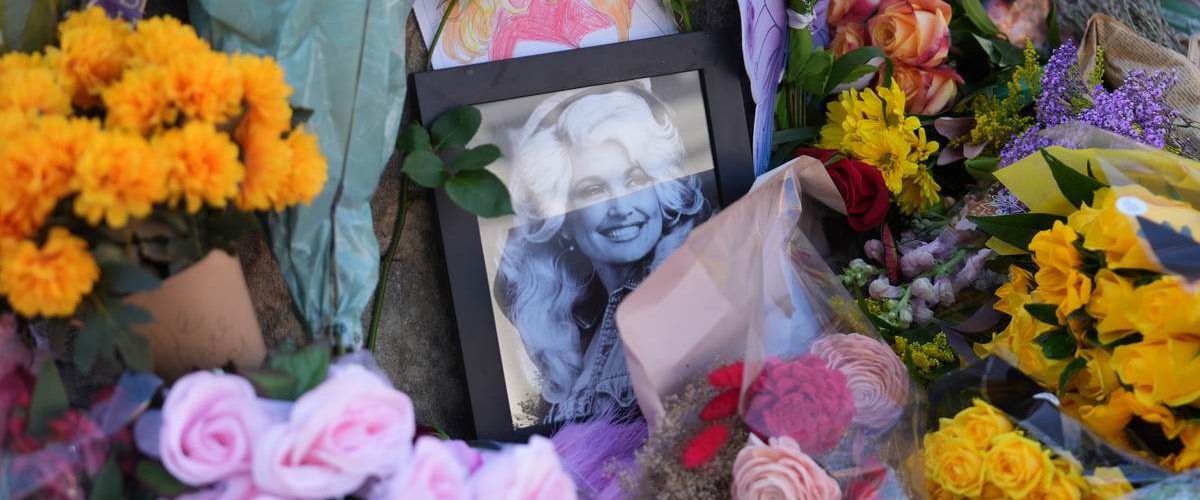
The nation mourned Dolly Parton after her death at 80, and a major cable network made a headline-grabbing mistake that turned a solemn tribute into an awkward spectacle; this piece walks through what happened, how people reacted, and why the misstep matters for media accountability and basic respect for cultural icons.
Dolly Parton’s passing left a lot of people stunned and grieving, and media outlets scrambled to cover the loss of a beloved performer and philanthropist. In that rush, CNN aired a photo that was not Dolly at all but a Las Vegas impersonator, and the slip sparked immediate backlash. The error highlights how sloppy verification can turn coverage of an important cultural moment into an avoidable embarrassment.
The impersonator at the center of the mix-up is Kelly Vohnn, who has spent decades performing as Dolly and other stars in Las Vegas. Vohnn told reporters she “felt so sorry and apologetic for Dolly, because over her career there are so many wonderful images and moments that they could have chosen from — and CNN just picked something not appropriate.” That reaction underlines the human side of the mistake: real people were hurt and confused by a carelessly chosen image.
On-air flubs like this one are not just awkward, they reveal deeper problems in how media organizations source and vet content under deadline pressure. A network that prides itself on rigorous reporting should have layers of checks to prevent passing off an impersonator as the real subject of a tribute. When those checks fail, credibility and trust erode fast, and viewers notice.
The network issued a brief apology, saying only, “We regret the error and apologize to the Parton family.” The statement was short and to the point, but for many it didn’t go far enough to explain how the mistake happened. In a moment when viewers expected dignity and accuracy, a cursory apology felt insufficient to address both the emotional and professional fallout.
CNN was forced to apologize to Dolly Parton’s family for mistakenly using a photo of a Las Vegas impersonator of the country music legend while reporting on her death.
The cable news network aired an image of tribute artist Kelly Vohnn as it covered Parton’s Tuesday death from cancer — leaving the 58-year-old Vohnn stunned as friends began bombarding her with messages.
The errant image were broadcast during “Laura Coates Live” some 12 hours after Parton’s death was announced by her family.
“We regret the error and apologize to the Parton family,” CNN told The Post in a brief Thursday statement.
For many viewers, the botched tribute is symptomatic of mainstream outlets rushing to be first instead of right. That rush can cost more than ratings; it can damage reputations, spread confusion, and disrespect the memory of the person being covered. People expect better, especially from outlets that position themselves as leaders in national conversation.
Beyond the immediate slapstick quality of the blunder, there’s a cultural angle worth noting: impersonators like Vohnn do important work entertaining crowds and keeping an icon’s spirit alive, but their images are not substitutions for the real person in news coverage. Respect means distinguishing clearly between tribute performers and the individuals they honor, particularly in reporting on a death.
Dolly Parton’s legacy of warmth, humor, and resilience suggests she might have laughed off the mistake, and then turned it into an opportunity to bring people together. She was known for turning stumbles into charm and for finding ways to make light of awkward moments without losing grace. That kind of attitude makes the mistake feel even more unfortunate, not inevitable.
The incident should serve as a reminder that verification matters, and that outlets must prioritize accuracy over speed. Audiences are increasingly skeptical of media, and avoidable errors only deepen that skepticism. Accurate sourcing, clear labeling of images, and stronger editorial oversight would prevent this kind of mishap going forward.
https://x.com/EricLDaugh/status/2093043236277191040
For reporters, producers, and editors, the takeaway is simple: treat moments of national mourning with extra care and respect. The public expects thoughtful coverage when a cultural figure passes, not sloppy shortcuts. Networks that want to keep trust should commit to better standards now, before the next headline-making error.
In the end, the conversation around this misstep is about responsibility—how media handle facts, how they respect legacies, and how they rebuild trust after they fail. This episode is a small but vivid example of why those principles still matter in an attention-driven news cycle.
God bless her. We need more people like her in this world. Badly.

Add comment