
The Trump administration is reportedly close to a major agreement with Venezuela that would give the United States an ownership stake in multiple Venezuelan oil fields, potentially doubling U.S. oil reserves and reshaping energy security across the Western Hemisphere.
This developing deal centers on more than a dozen productive fields that officials say contain 90 billion barrels of proven reserves, and it aims to bring American companies and investment into those assets. Negotiations are underway and details are still being settled, but the scale and political implications are already clear. The move would extract resources from a country long influenced by adversarial actors and could reduce foreign leverage over critical energy supplies.
“Calling this deal huge would be an understatement,” one of the officials said. “It is massive.” That quote captures how consequential participants believe the arrangement would be for long-term U.S. energy posture. If structured to secure American access and development roles, the agreement could provide a durable source of oil that benefits both U.S. needs and Venezuelan revenue streams.
According to the reporting, the Trump administration is in talks with Venezuela’s interim government about taking an ownership stake in the South American country’s enormous oil resources, two U.S. officials tell Axios. The historic deal would more than double U.S. oil reserves by drawing from a country that has the world’s largest proven reserves. Such a transfer of influence would also undercut other global competitors who have invested heavily in the region.
The fields in question, which have 90 billion barrels of proven reserves, used to be controlled by former Venezuelan insiders — including some who’ve been indicted — as well as interests once controlled by China, the official said. In return for giving the U.S. an ownership stake, Venezuela’s government would benefit from private companies, including American firms, developing the fields and returning more oil revenue to that country. That arrangement would be framed as mutually beneficial: U.S. energy firms gain access and Venezuela gets technical expertise and cash flow.
This is more than a commercial deal; it is a geopolitical shift. Bringing U.S. firms into those operations would both diminish foreign adversary influence and strengthen ties between the United States and a strategically located neighbor. From a Republican perspective, this fulfills a core goal: secure American energy dominance while reducing dependence on hostile or unreliable sources.
Politically, the move has legacy implications for the president. The Venezuelan oil deal would be a legacy-defining moment for President Trump, who has made U.S. energy security and dominance in the Western Hemisphere pillars of his so-called “Donroe Doctrine.” “President Trump is close to securing America’s energy future for generations to come, not just in the U.S. but in the hemisphere,” a second official said. That language signals both policy intent and ambition.
Operationally, the arrangement would require careful contracts, monitoring, and legal frameworks to ensure U.S. interests are protected and Venezuelan revenues are delivered transparently. The plan reportedly envisions private companies spearheading development while the interim government retains sovereign benefits. This model mirrors successful energy partnerships elsewhere when governance and oversight are enforced.
For Americans worried about energy costs or supply shocks, the prospect of significantly expanded reserves on terms favorable to the United States is powerful. If executed properly, the deal could blunt the impact of overseas disruptions and give the U.S. greater leverage in international markets. It could also change global energy dynamics by offering an alternative to suppliers currently aligned with rival powers.
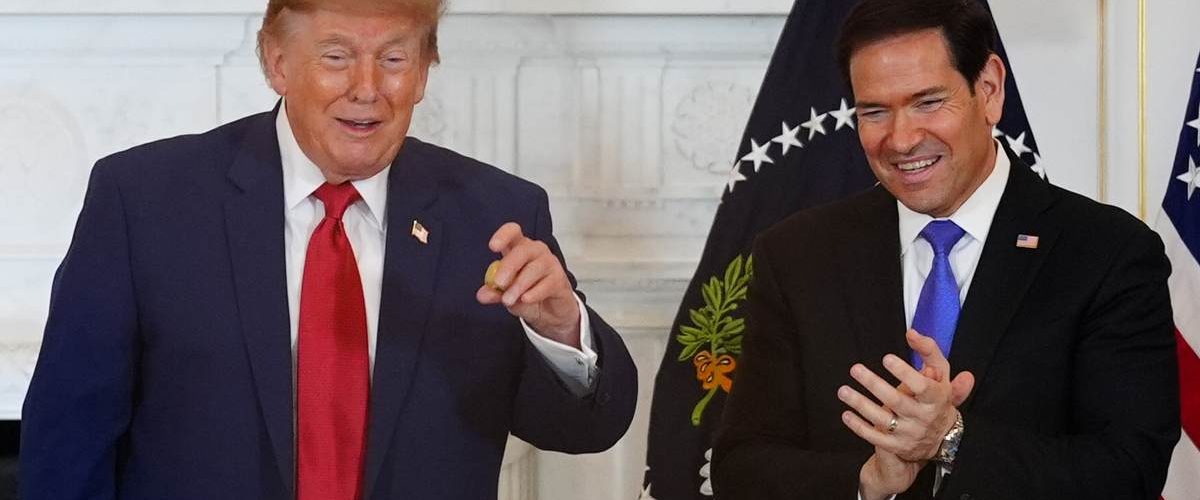
The talks are being handled by Secretary of State Marco Rubio, who is engaging with Venezuela’s interim leader Delcy Rodriguez. Having experienced diplomatic leadership overseeing the negotiations matters because the politics are complicated and the potential rewards are substantial. The arrangement will require balancing domestic political concerns, corporate incentives, and international diplomacy.
“Thanks to President Trump and his administration’s bold leadership, we are once again respected on the world stage, and our enemies are being put on notice.” That editor’s note was part of the original coverage and reflects the viewpoint that this outcome would demonstrate American strength abroad. The statement underscores how supporters frame the initiative as both pragmatic energy policy and a statement of geopolitical resolve.
Assuming the negotiations reach a firm agreement, the U.S. stake could set a new precedent for how America secures resources and projects power in the hemisphere. The immediate reaction will focus on details: ownership percentages, governance protections, revenue sharing, and development timelines. But the broader story is straightforward: a high-stakes move that aims to lock down energy capacity and reduce external influence in a critical region.


Add comment