
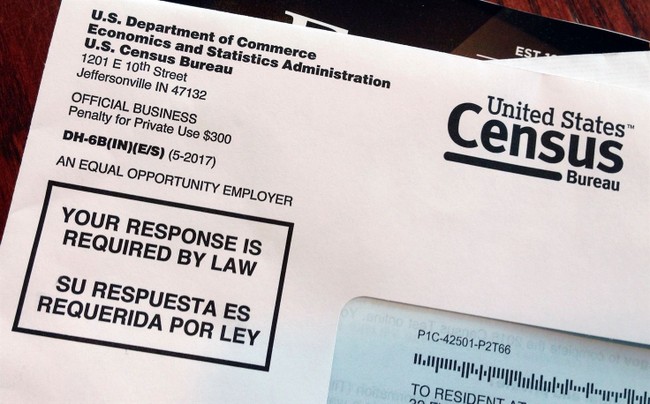
The Trump administration has moved to restore the long-debated “citizenship question” to the 2030 Census, reviving a fight over who counts for representation and federal resources and setting up another major legal and political clash over apportionment and immigration policy.
Officials are testing a census form in Alabama and South Carolina that includes a direct citizenship prompt. The form asks, “Is this person a citizen of the United States?” and offers specific response options to clarify status. The department argues these details are necessary to allocate seats and funding accurately.
The draft question lists five possible answers designed to capture different paths to citizenship. The options are: Yes, born in the United States; Yes, born in Puerto Rico, Guam, the U.S. Virgin Islands, or Northern Marianas; Yes, born abroad to U.S. citizen parent(s); Yes, U.S. citizen by naturalization — print year of naturalization; No, not a U. S. citizen.
The move echoes the Trump administration’s effort before the 2020 census, which sparked litigation and ended up at the Supreme Court. That controversy featured the characterization “four-justice liberal minority joined by Chief Justice John Roberts” finding the administration’s rationale pretextual. The earlier effort stalled when courts demanded clearer administrative record and justification, turning the dispute into a legal morass rather than a policy debate.
History matters here because citizenship questions are not unprecedented on the census. They were part of census practice from 1890 until 2000, a span of more than a century of intermittent use. Critics who insist the question is inherently improper ignore that it was long accepted as a tool for demographic and legislative decision-making.
The core dispute is straightforward: should noncitizens be counted when seats in the House and federal dollars are apportioned? Conservatives argue counting noncitizens inflates representation and resources for jurisdictions that have not secured their borders. That skew affects citizens’ vote value and diverts taxpayer funds away from American citizens who deserve priority in services and infrastructure.
Representatives and direct Taxes shall be apportioned among the several States which may be included within this Union, according to their respective Numbers, which shall be determined by adding to the whole Number of free Persons, including those bound to Service for a Term of Years, and excluding Indians not taxed, three fifths of all other Persons.
Opponents say a citizenship question will depress response rates, particularly among immigrant communities, and thus harm census accuracy. That argument assumes people here unlawfully would refuse to complete a simple form or that honest, lawfully present residents would suddenly conceal themselves. Many of those claiming a negative impact do so without evidence that questions about status prevent accurate enumeration of citizens and legal residents.
There is also a constitutional and fairness argument for excluding noncitizens from apportionment calculations. Counting everyone regardless of legal status arguably dilutes the political power of citizens in districts with large noncitizen populations. When federal funding follows headcounts, communities that have managed immigration poorly receive disproportionate resources compared with places that enforce the law and prioritize assimilation and legal residency.
Practical policy follows political consequence: removing noncitizens from apportionment would shift influence away from heavily Democratic, high-immigration urban centers. Combined with stronger enforcement, cleaned voter rolls, and common-sense election integrity measures, this could reshape the electoral map for a generation. That outcome worries the political left, which benefits from the current allocation rules that count all residents equally for reapportionment.
The administration now appears to have taken steps to comply with the Administrative Procedure Act, building an administrative record that could withstand judicial scrutiny. Expect litigation, of course, but also a more robust defense if Republicans control the executive branch and champion the question. The difference between a defended rule and an abandoned one will determine whether the citizenship question survives the courts this time.
Beyond litigation, the debate exposes a broader choice about the purpose of the census: is it a tool for political advantage or a constitutional instrument for fair representation? Conservatives insist the census should reflect the people who are entitled to vote and benefit from federal programs driven by citizenship-linked priorities. The 2030 census fight will test whether that view can withstand the legal and political pushback coordinated by opponents who prefer the current status quo.



Add comment