
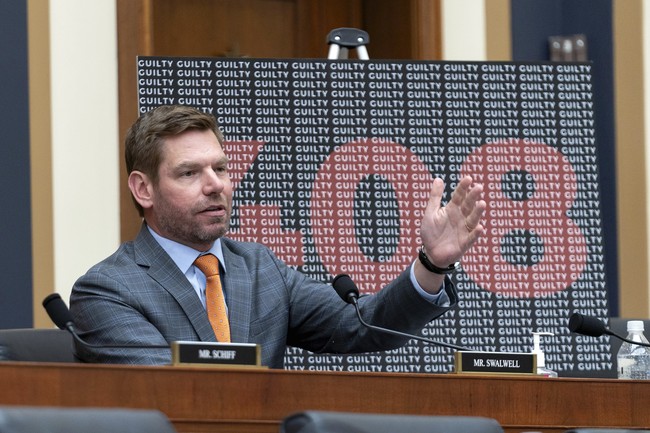
This article examines Rep. Eric Swalwell’s forceful denials of sexual harassment allegations, the claims made by multiple accusers and allies, his campaign context, spokesman statements, and the reactions from people who say they have been affected.
Rep. Eric Swalwell told reporters after a Sacramento town hall that he never had a sexual relationship with a staffer or intern and insisted, “There has never been an allegation and there has never been a settlement” related to sexual harassment. He made the comments while campaigning in the California governor’s race, where he and Tom Steyer are the leading Democratic contenders. The denial was firm and delivered in public as the controversy churned online.
Social media threads and reports in right-leaning outlets have amplified claims that Swalwell had inappropriate relationships with staffers and interns stretching back to his Dublin City Council days from 2010 to 2013. Cheyenne Hunt, who has worked on Capitol Hill and now leads Gen Z for Change, says she has spoken to more than a dozen women who claim to be victims, some alleging they were pressured into signing nondisclosure agreements. Those accounts have spurred other Democratic strategists to say they heard from women with similar stories, insisting this is not a partisan stunt.
Swalwell’s campaign spokesman, Micah Beasley, called the charges a “false, outrageous rumor” and blamed political foes and “MAGA conspiracy theorists” for spreading them. Beasley went further with a categorical statement about Swalwell’s offices over the years, asserting a complete absence of NDAs or ethics complaints. That precise denial may end up under scrutiny if any contrary evidence emerges.
“In 13 years, no one in Eric Swalwell’s Congressional office has ever been asked to sign an NDA. Ever. In 13 years, not a single ethics complaint by any staff in his office or any other office has ever been lodged. Ever.”
Several women who say they were warned off interacting with Swalwell or were uncomfortable after encounters have spoken out in response to the campaign’s framing. Arielle Fodor, who has been vocal about her concerns, called the suggestion that victims are tied to MAGA a “slap in the face” to those who came forward. She predicts the messaging strategy will backfire and haunt the campaign if more information surfaces.
“From the beginning, not a single woman who has shared this information with me, come forward with an allegation, or has pursued justice has been aligned with MAGA or Republicans in any way shape or form. And that accusation is not only a cop-out, but a slap in the face to these brave women and I think these statements will haunt Swalwell and his campaign.”
At the town hall, Swalwell avoided taking unscripted questions about the allegations and instead responded to pre-submitted queries from select audience members, according to an attendee. That choice to control the conversation left some observers feeling the campaign was steering away from accountability and toward damage control. The optics will matter as voters weigh character and trust for someone seeking higher office.
Accusers and their supporters say documents and messages shared on social platforms back up their claims of being warned or silenced after interactions with Swalwell. Some allege they were nudged into nondisclosure agreements or pressured into quieting their concerns, which would directly contradict the campaign’s blanket denial about NDAs. Those contrasting versions of events are fueling a contentious dispute over truth and reputation.
Swalwell’s public posture frames the controversy as manufactured by opponents and right-wing networks, while critics insist survivors and witnesses are being dismissed. This split underscores a broader dynamic in politics where allegations collide with defensive spin and partisan attribution. For Republicans and voters who prioritize transparency, the competing narratives raise questions about due diligence and how political actors handle serious claims.
As the story continues to circulate, the core facts remain contested: Swalwell’s categorical denial, the accusations from multiple women and advocates, and the campaign’s effort to pin the claims on adversaries. The debate is playing out not only in social media and local reporting but within the broader context of an increasingly heated California governor’s race. Both the accusations and the denials will likely be examined more closely as the campaign progresses and as outside parties probe the claims.

Add comment