
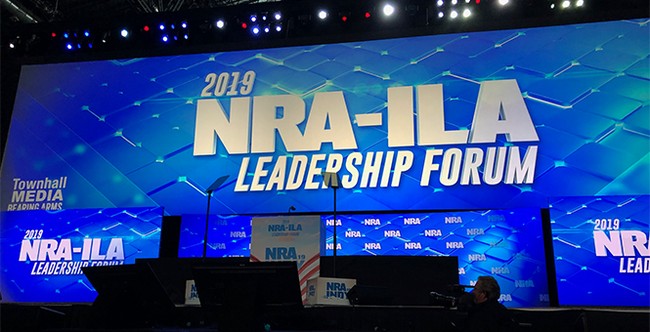
The Supreme Court’s recent decision to leave in place a ruling shielding a New York regulator from an NRA suit spotlights a bigger issue than firearms: who controls access to the financial system. This piece looks at how financial regulators can, intentionally or not, shut lawful advocacy out of banking and insurance channels and why that matters for free speech. It examines the legal steps taken so far, the doctrine of qualified immunity at play, and the practical consequences of what many call “debanking.”
The case began with allegations that a state financial regulator used the power of her office to pressure banks and insurers to cut ties with a major advocacy group. Those allegations framed the action not as ordinary regulation but as a coordinated effort to isolate an organization from the institutions it needs to operate. For Republicans, the concern is straightforward: when government actors can push private companies to exclude certain viewpoints, First Amendment protections are hollowed out in practice.
The Supreme Court had earlier revived the NRA’s lawsuit, underscoring a constitutional principle about government influence over private intermediaries. The justices wrote: “The First Amendment ‘prohibits government officials from wielding their power selectively to punish or suppress speech, directly or, as alleged here, through private intermediaries.'” That language mattered because it recognized a real-world route to suppressing speech without a law or a public vote.
The NRA’s complaint described a pattern of pressure after a high-profile tragedy aimed at financially isolating the organization. Allegations included implied threats to banks and insurers that continued business could carry reputational or regulatory risk. Those tactics, if proven true, don’t resemble neutral supervision; they look like targeted coercion designed to silence a lawful advocate.
When the case returned to the appellate level, the court found the regulator protected by qualified immunity because the law was not “clearly established” at the time. The appeals court put it this way: “Reasonable officials in Vullo’s position would not have known for certain that her conduct crossed the line from forceful but permissible persuasion to impermissible coercion and retaliation.” That legal shield blocked the case from moving forward, even while leaving unresolved the larger constitutional question.
Qualified immunity often decides whether wrongs are remedied, and here it prevented a quick answer to a pressing problem. From a conservative standpoint, preserving accountability for government overreach is crucial, because unchecked power tends to be used against dissenting voices. When immunity doctrines are applied too broadly, they can create a safe harbor for officials who weaponize regulatory influence.
Debanking operates like economic censorship without the mechanics of a criminal statute. Cut off payroll processing, donations, insurance, and banking services and even lawful groups can be forced into silence. The damage is immediate: programs stall, staff lose jobs, vendors pull back, and the organization’s ability to participate in public debate erodes.
Financial blacklisting is particularly potent because it leverages private firms to achieve public aims without public accountability. Regulators can communicate risk quietly and the market often responds quickly, leaving targeted organizations scrambling to survive. That dynamic makes it easy for the government to accomplish indirectly what it could not do directly under the Constitution.
The NRA sought clarity from the Supreme Court on when a constitutional violation becomes obvious enough to pierce qualified immunity and allow accountability. The justices declined to take the case further, leaving the immunity finding intact and the broader question unsettled. For people who prize free speech and limit government power, that outcome is concerning: it leaves open the possibility of future cases where regulators can exert influence without timely consequences.
Practical remedies are important because constitutional rights need practical protection, not only abstract pronouncements. If the financial system becomes a tool for selective exclusion, then political speech can be chilled far more effectively than by any single statute. Republicans arguing for robust civil liberties will press for clearer rules so government officials can’t hide behind the machinery of private markets to force political outcomes.
Until courts provide a firmer standard, the risk remains that regulated industries will act conservatively to avoid regulatory scrutiny, even when businesses are asked to make choices about lawful clients. That market caution can translate quickly into de facto censorship when associating with a controversial but lawful group invites regulatory headaches. Absent stronger legal guardrails, political advocacy can be choked out through financial channels rather than debated openly at the ballot box.
As this issue plays out, the political question is not partisan hair-splitting; it’s whether Americans who rely on the rule of law can count on equal treatment before the financial system. Ensuring that regulators do not use their offices to reshape the marketplace of ideas should be a concern across the political spectrum. The stakes are high: if regulators can quietly coerce banks and insurers to cut off lawful groups, then the practical effect is the suppression of voices that government actors disagree with.


Add comment