
The Senate showdown over the Consumer Financial Protection Bureau has left the agency pared back and its future uncertain, with Republicans celebrating rollback efforts and Democrats framing the fight as an attack on consumer protection. This article examines the recent floor votes, the policy changes enacted since early 2025, the competing numbers about costs and benefits, and what the shrinking bureau means for regulation going forward.
The dispute played out on the Senate floor when Democrats forced votes using the Congressional Review Act to challenge a slate of rollbacks from the current administration. Their aim was as much political as it was policy: to put Republicans on record ahead of the 2026 midterms. Those procedural efforts failed across the board, and Republicans walked away with a clean sweep.
Since February 2025, President Trump’s administration installed Budget Director Russell Vought at the Consumer Financial Protection Bureau and set about reversing agency actions. The administration reports 67 policies rolled back or scaled back as part of a push to rein in what it called an overreaching regulator. Supporters of the changes say the bureau had been operating without sufficient limits, and scaling it back was long overdue.
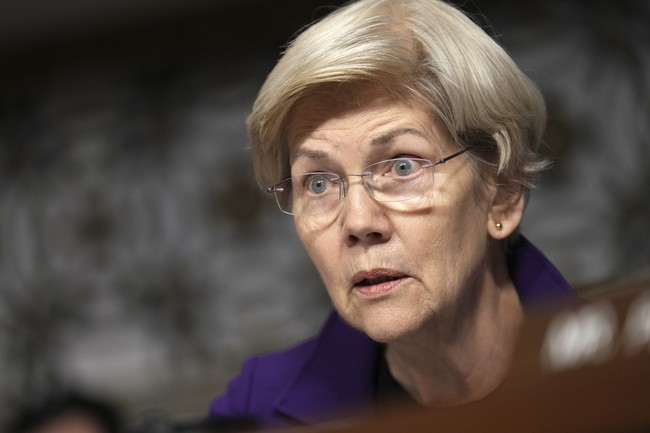
“The Trump Administration is hell-bent on destroying the agency,” Warren said, adding that the administration had “abandoned consumers and is making life more expensive for them.”
Democrats continue to point to the bureau’s tally of $19.7 billion returned to consumers through enforcement actions and settlements since CFPB’s creation. Republicans counter with a different metric: an estimate from earlier analyses suggesting the agency’s rules and enforcement may have raised costs for borrowers, with a range cited between $237 billion and $369 billion in total impact. That claim frames the bureau as a costly experiment that shifted expenses onto ordinary Americans.
On the Senate floor, Republican leaders were blunt about their view that the bureau had squeezed small businesses and lenders. Senate Banking Committee Chairman Tim Scott put the argument simply and forcefully when he criticized the agency’s tactics and their effects on the broader economy. His comments reflected the GOP stance that accountability to Congress and restraint in rulemaking are needed for any powerful regulator.
“I can’t think of a worse way to govern than the Biden administration’s approach to the CFPB and the playbook that they used time and time again, putting onerous pressure on small businesses,” Scott said.
One of the most contested items was a rollback tied to overdraft fee rules. Under prior guidance banks were required to obtain explicit customer consent before charging certain fees, a rule the current administration rescinded. Democrats argued the rollback would harm people living paycheck to paycheck, while Republicans said federal rulemaking should not substitute for negotiations and agreements between banks and their customers.
The overdraft resolution failed in the Senate by a 47-53 vote, reflecting the tight margins these measures faced. Another disputed rule involved medical debt and whether certain records should be removed from credit reports. Democrats framed such a rule as relief for consumers struggling with unexpected health expenses, while critics emphasized legal limits and the role of courts in policing agency overreach.
“Medical debt leaves Americans in serious financial jams. It wrecks lives,” Warnock said. “Folks go to the doctor one day for a bandage or some minor injury, and end up leaving with a financial burden the size of a mortgage.”
That medical debt rule had already been challenged in court, and a federal judge previously struck it down as exceeding the agency’s legal authority. Democrats nonetheless pressed the Senate to vote on restoring rules the courts had rejected, a move Republicans said ignored judicial checks on administrative power. The related resolution ultimately failed on a 50-50 vote, with three Republicans joining Democrats.
Beyond votes, the administrative fight extends to funding and staffing. A judge ruled the bureau must keep requesting operating funds from the Federal Reserve rather than having its budget zeroed out, and the agency’s current funding requests are a fraction of prior levels. Budget Director Vought requested $145 million and $75.8 million for the next two quarters, signaling a much smaller operating footprint for the agency moving forward.
With fewer staff, a slimmed-down budget, and dozens of policies reversed, the CFPB today looks much different than it did at its peak. For Republicans, that outcome is a win: scaling back what they see as an activist agency that raised costs and exceeded its mandate. For Democrats and the bureau’s defenders, it is an attack on a tool meant to protect consumers from abusive financial practices.
The institutional tug of war over authority, budget, and legal limits will continue to shape how consumer finance gets regulated. The recent rollbacks show how quickly an agency’s priorities can be shifted by an administration determined to curtail it, and they set up a longer contest in courtrooms, appropriations, and future elections over how far federal regulators should go in shaping private markets.



Add comment