
The White House cocaine incident from July 2023 raised questions about how evidence was handled and who was responsible, and this article revisits the episode with fresh focus on the Secret Service response, internal pushback, and lingering political fallout. It lays out the reported chain of events, highlights agents’ reactions, and notes official claims about fingerprints and DNA. The reporting centers on claims that leadership moved to close and destroy evidence quickly, prompting anger among rank-and-file officers. Embedded material from original reporting sources appears where relevant.
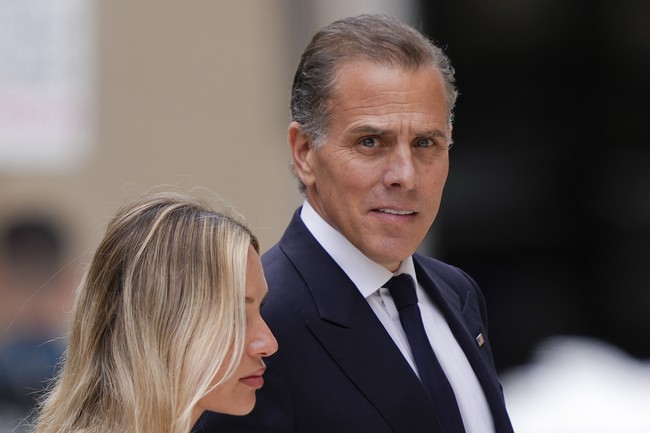
When a bag of cocaine turned up near the Situation Room, the initial public instinct was to point at Hunter Biden, and that suspicion has never fully faded. Those suspicions are mostly circumstantial, but reactions from inside the Secret Service added fuel to the fire. Agents say the case was handled in a way that suggested someone above them wanted the incident minimized and the trail closed fast.
Several Secret Service insiders described being ordered to wrap up the investigation in just eleven days and to destroy the seized material, a sequence that left many officers convinced the normal course of justice was short-circuited. That perception created serious morale problems inside the agency, with agents feeling their professionalism had been undermined. One uniformed division officer even produced an unauthorized commemorative coin mocking the situation, an act that reportedly led to administrative punishment.
The Uniformed Division officers who guard the White House were so pissed off that they were forced to be part of a cocaine cover-up in 2023, as several Secret Service sources referred to it, that one officer made a “see no evil, hear no evil, speak no evil” commemorative challenge coin about the ordeal to lighten the mood and improve morale within the ranks, according to the photos below and several Secret Service sources.
The officer was punished (placed on administrative leave for an unknown amount of time) for making and distributing the unauthorized coin. The coin’s distribution took place within weeks of the USSS closing the case in 11 days. Many rank-and-file Secret Service agents and UD officers are still angry that they were forced to close the investigation in such a short time + destroy the evidence, as I previously reported. “It made us look inept,” one source told me.
Allegations circulated that then-Secret Service Director Kimberly Cheatle and other officials pushed to have the cocaine destroyed, and those claims have kept the episode in the political spotlight. Congressional Republicans raised questions and sought documents to determine whether orders came from leadership or from outside pressure. Whistleblower accounts amplified concerns that the agency’s normal investigative safeguards were bypassed, while others argued investigators followed lawful directives under chaotic circumstances.
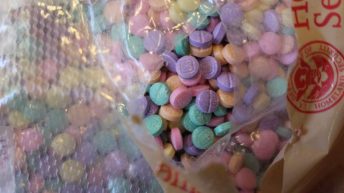
The FBI reported no usable fingerprints on the bag, but DNA testing produced a partial, or indirect, match — a detail that complicates the narrative. An indirect match does not establish guilt beyond reasonable doubt, yet it does provide investigators with a lead that could narrow the field of potential handlers. That partial hit adds weight to why officers inside the White House were frustrated when the administrative resolution appeared to move quickly to closure rather than extended inquiry.
From the perspective of many agents, the real controversy was not the presence of drugs on White House grounds but the management of the response and perceived pressure to limit exposure. When line officers believe evidence is destroyed and reports are closed prematurely, their trust in leadership erodes fast. That breakdown in trust has operational consequences: morale dips, internal discipline frays, and the agency risks losing public credibility at a time when its mission depends on both.
Political fallout has been inevitable, with lawmakers demanding answers and the episode used as proof by critics that political considerations can intrude on law enforcement. That dynamic makes the case a flashpoint for partisan debate and a focal point for calls to strengthen transparency in how sensitive incidents are handled at the highest levels. Meanwhile, agents on the ground say they simply wanted a process that treated evidence seriously and respected their duty to protect the institution they serve.
Whatever the ultimate findings, the story exposed cracks between leadership and rank-and-file agents and left many officers feeling their professionalism had been sidelined by politics. The unauthorized coin that mocked the incident was more than a gag; it became a symbol of anger and disillusionment inside a security force that rarely courts controversy. Until a full, transparent accounting is available, those inside the agency and outside observers will keep asking why the case was closed the way it was and whether justice was allowed to run its course.

Add comment