
The holiday rush that once filled San Francisco Center has evaporated, leaving a massive downtown mall eerily empty; this article looks at the mall’s decline, the role of online shopping and COVID, and how local policy and rising crime have accelerated the exodus of retail and shoppers.
I remember when malls were social hubs where teens escaped summer heat and young workers learned responsibility on the sales floor. Those anchor stores and bustling corridors symbolized middle-class commerce and community. Today the same vast spaces sit largely unused, their windows dark and storefronts vacant.
The San Francisco Center, once a bustling nine-level complex, now shows the effects of a long shift in how people buy things. Shoppers moved online in droves, a trend that COVID only accelerated, but that change was already underway. When downtown streets feel less safe and local rules make running a shop harder, retailers vote with their feet and the mall loses value.
A once-iconic mall that used to be a holiday shopping hotspot appeared creepily empty in the days leading up to Christmas.
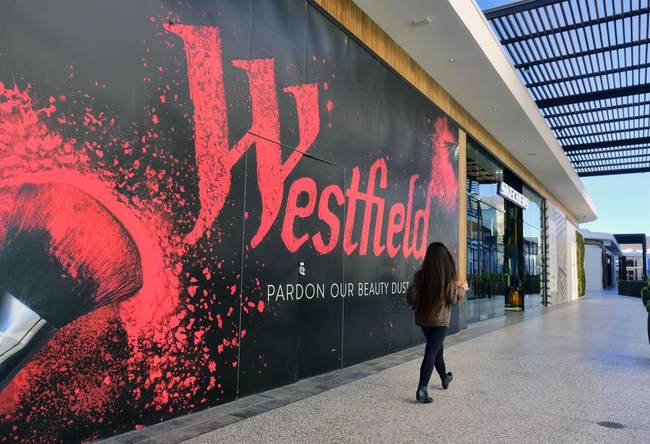
The San Francisco Centre, formerly known as the Westfield Mall, bustled with eager customers scoping out pricey items from the luxury retailers that filled the nine-level complex in its prime.
But now, the roughly 1.5 million-square-foot mall – the largest in San Francisco – sits nearly vacant, with about 93 percent of its storefronts empty.
Video from inside the shopping center just five days before Christmas showed the mall’s drastic decline. It’s unclear what time it was when the video was filmed.
The mall has been struggling since the COVID pandemic, as consumers turned toward online shopping.
Surging crime in San Francisco’s downtown did not help matters either, with the mall’s value plummeting.
The crime spike in parts of San Francisco fast-tracked the collapse of downtown retail. People hesitate to spend time where they feel unsafe, and business owners face higher costs and risks. When city policies fail to back law enforcement or create predictable conditions for commerce, investment dries up and storefronts go dark.
State and local choices matter. Excessive regulation, weak enforcement of property rights, and policies that make it harder to operate a small business add friction to retail. In a competitive economy, companies leave unpleasant environments and seek places where customers feel welcome and entrepreneurs can thrive.
Online shopping’s convenience is an unstoppable force, but policy can either ease the transition or make its fallout worse. Same-day delivery and seamless e-commerce replaced many impulse buys and seasonal pilgrimages to malls. That convenience benefits consumers, but it also concentrates market power in a handful of firms while hollowing out traditional retail corridors.
For people outside urban centers, the shift can feel liberating. Rural communities that once lacked easy access to malls now see Amazon or Walmart packages arrive regularly at local post offices. The need to travel hours for a mall visit declines, and daily life becomes simpler for families who previously planned entire days around shopping trips.
Still, not every consequence is neutral. Large mall properties were once central to downtown tax bases and job markets. When they decline, cities face budget pressures, lost jobs, and decaying real estate. Repurposing those hulks requires vision and work, and cities that refuse to confront crime and overregulation make the challenge harder.
The story of a ghosted mall is part technological and part political. E-commerce displaces foot traffic; pandemics accelerate habits; and local decisions determine whether downtowns adapt or rot. Public safety and sensible regulation can preserve shopping districts, but a vacuum of leadership deepens the decline.
Capitalism drives creative destruction: outmoded business models give way to new ones. That process is painful in communities built around obsolete infrastructure, and it leaves visible scars where downtowns once thrived. Policy choices can soften the blow or magnify it, and in places where governance leans toward permissive attitudes on crime, the outcome has been bleak.
Redevelopment and reinvention are possible, but they require a willingness to prioritize property rights, reduce unnecessary burdens on small business, and restore order on city streets. Without that, vacant malls will be monuments to decisions that pushed commerce away rather than to a natural, uncontested evolution of consumer habits.
As shoppers settle into faster, easier modes of buying, cities must choose whether to compete for new kinds of investment or watch prime real estate empty out. The San Francisco Center’s quiet halls are a warning about what happens when change meets bad incentives and weak public policy.



Add comment