
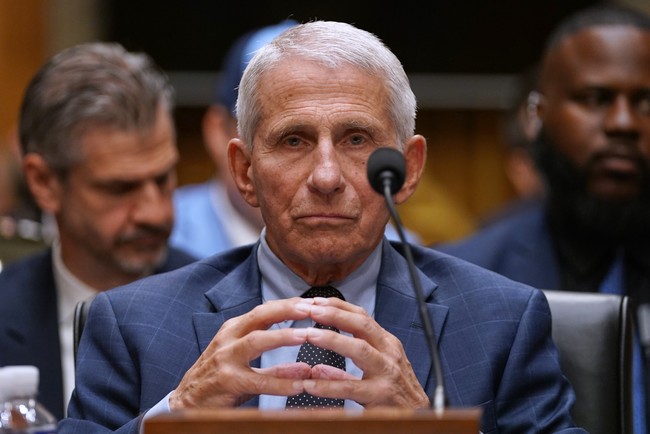
Sen. Rand Paul has filed a formal resolution pushing for criminal contempt action against Dr. Anthony Fauci, arguing that a presidential pardon and Fauci’s own statements do not shield him from answering congressional questions; Paul’s move sets up a committee markup and possible referral to the Justice Department, with procedural questions about the path forward and who would prosecute if charges advance.
Sen. Rand Paul opened the week by previewing plans to bring contempt charges against Anthony Fauci and closed by making the formal resolution public. The filing lays out Paul’s case for referring Fauci to the Department of Justice for criminal contempt after the July hearing where Fauci repeatedly declined to answer questions. Paul chairs the Senate Committee on Homeland Security and Governmental Affairs, which sets the tone for what happens next.
The resolution frames two main legal points that Paul believes justify criminal referral. First, he argues the presidential pardon does not excuse refusal to answer questions in committee. Paul says the pardon’s scope should not block congressional inquiry into matters tied to Fauci’s government service.
The filing quotes the committee’s authorization language: “Authorizing the President of the Senate to certify the report of the Committee on Homeland Security and Governmental Affairs of the Senate regarding the refusal of Dr. Anthony S. Fauci to answer questions pertinent to the subject under inquiry before the Committee as required by Committee subpoena.” That passage anchors the move to certify the committee report and potentially forward it to the Senate or DOJ. The resolution treats Fauci’s invocation of the Fifth more narrowly because of the pardon’s time window and subject matter.
If Paul’s resolution passes committee Thursday, there are several routes that he could take.
Typically, the resolution would proceed to the full Senate and would need to overcome a 60-vote threshold, meaning Paul would need some Democratic support.
He has reportedly signaled he might try to avoid that route by referring Fauci directly to the Justice Department for prosecution.
Paul’s second argument says Fauci voluntarily waived any remaining Fifth Amendment protection by offering an opening statement that recited substantive details about his government role. By giving an initial account of his time in office and prior congressional testimony, Fauci opened the door to follow-up questions, the resolution asserts. Because he then declined to answer, Paul reasons that contempt is a proper response.
The public release of the resolution ensures the issue will be debated at the committee markup scheduled for Thursday. If the committee votes to advance, Paul faces a choice between pushing for a floor vote that would need 60 votes or sending the matter straight to the Justice Department. Legal scholars note that the DOJ would have discretion over whether to bring charges even after a committee or Senate referral.
https://x.com/SenRandPaul/status/2084741504568848427
Another procedural wrinkle involves the Senate president’s role when the Senate is not in session. The filing cites interpretations suggesting the Senate president could refer an individual to the Justice Department in lieu of a floor vote, but only under specific timing conditions. That option would bypass the 60-vote hurdle, though it raises debate about precedent and statutory interpretation.
Observers point out that even if Paul secures a favorable committee outcome and a referral, prosecution would fall to federal prosecutors who decide whether to bring charges. The U.S. Attorney’s Office for the District of Columbia would likely evaluate any referral and determine if the facts meet criminal contempt standards. Legal experts emphasize that the statute and DOJ policies will guide that decision, not the committee vote alone.
The stakes are political as much as legal: Paul is leveraging committee authority to force accountability and to test post-pardon limits on testimony. The move signals a willingness to press criminal options when elected oversight meets executive clemency that might obscure congressional fact-finding. How the Senate, the Justice Department, and court precedent respond will shape whether this becomes a lasting legal confrontation or a symbolic political gambit.



Add comment