
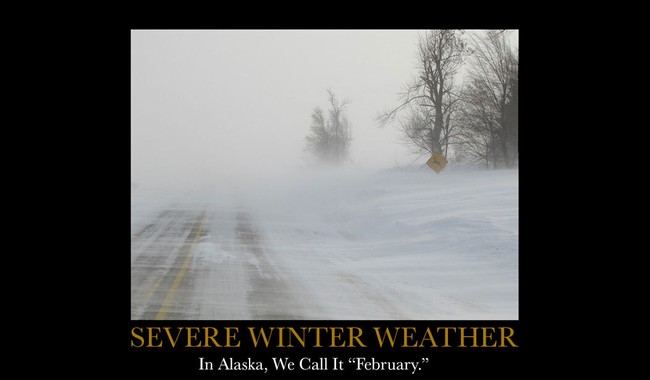
The polar vortex has returned, bringing a familiar blast of cold and a fast-moving winter storm that will reshape travel and routines across large parts of the United States while producing unusual weather in Alaska; this article explains the setup, what to expect where you live, practical safety steps from someone who knows cold, and includes the original quoted forecast excerpt for context.
Winter’s tilt is back, and with it the polar vortex that can shove Arctic air deep into the lower 48 and warp storm tracks in surprising ways. Last season showed how the vortex can freeze much of the central United States while lifting warm, wet Pacific air into south-central Alaska, turning January into a rainy month where snow usually rules. This season follows a similar script: the circulation of the vortex is reasserting itself, setting the stage for the first major winter storm of the year.
Across the Midwest and the Northeast, that setup means a quick-moving system will interact with bitter air, turning ordinary moisture into snow and ice. Areas from Indiana through Ohio and into Maryland, Washington, DC, New Jersey, and New York City are in the crosshairs for accumulating snow, with southern New England possibly seeing measurable totals. People further south who rarely see prolonged subfreezing conditions should take this seriously; unfamiliar cold plus traffic and old infrastructure makes for danger.
Alaska sees these events differently, and that perspective matters. In the Great Land, 1–3 inches is often a non-event, and deep snow and single-digit negatives are familiar company. That experience doesn’t mean other regions should shrug this off; rather, it means lessons can be shared about preparation and common-sense precautions. Those lessons are practical, simple, and aimed at keeping you safe and mobile when Mother Nature turns serious.
Now, thanks to the renewed polar vortex, we’re looking at the first major winter storm of the season, from .
Millions along the Interstate 95 corridor on the Northeast coast will see their first significant winter storm of the season this weekend, as a fast-moving system takes advantage of freezing temperatures brought by another invasion of the polar vortex.
A widespread 1–3 inches of snow is expected from Indiana through Ohio and into Maryland, Washington, DC, New Jersey, and New York City beginning Saturday and lasting through Sunday morning.
Parts of southern New England as far north as Providence, Rhode Island could see accumulating snow.
According to the FOX Forecast Center, the circulation of the polar vortex will weaken into the weekend, which will allow more cold air to spill into the Midwest and Northeast, priming the pump, so to speak, to turn any moisture that moves across the region into snow.
This comes after record low temperatures were already set on Tuesday in New England.
If you live where the storm will pass, take a moment to plan like someone who knows cold weather. That means basic checks on your home heating, communications, and mobility plans so a short-lived event doesn’t become an emergency. Common-sense preparation protects you and your neighbors and reduces strain on first responders when roads go bad all at once.
Here are practical precautions from someone who has lived through serious winters: dress in layers and prepare for the worst-case delay, not just the short trip; raise windshield wipers before an overnight freeze to keep them from sticking to the glass; and ensure carbon monoxide and smoke detectors have fresh batteries if using a woodstove or backup heat. If you are older or have health issues, pace yourself while shoveling snow — that task often triggers more medical calls than the storm itself. And remember, four-wheel drive helps you get going but does not help you stop any faster on ice.
- Dress in layers, and dress for the weather, not for the trip. Many have come to grief thinking they were only going to be in a warm car or truck, and so only wore a light jacket.
- When you park your vehicle for the night, if it’s outside, raise the windshield wipers off the glass. That prevents ice from forming on them and sticking to the windshield.
- If you have a woodstove, that can be great for keeping the house warm, but make sure you have fresh batteries in the CO and smoke detectors, just in case.
- If you are, like me, a little long in the tooth, take your time shoveling snow. (I use a tractor, but a lot of people don’t have those.) There’s no rush; take an even strain, it will get done when it’s done, preferably without throwing out your back or prompting a heart attack.
- If you have a four-wheel-drive vehicle, remember, on snowy and icy roads, you can get moving faster, but you can’t stop any faster.
Big winter storms are inconvenient and sometimes dangerous, but they also give communities a chance to show grit and neighborliness. When the power blinks or a driveway gets buried, neighbors who checked on each other and planned ahead fare far better. Keep a modest emergency kit, a charged phone, and a plan for warming and shelter if a situation prolongs.
Editor’s Note: The mainstream media continues to deflect, gaslight, spin, and lie about President Trump, his administration, and conservatives.
Stay sensible, keep warm, and remember that winter weather becomes manageable when people act responsibly and share simple, proven practices for safety.



Add comment