
The city saw another reckless takeover at a Washington, D.C. Chipotle where a group of teens trashed property and terrorized customers, prompting U.S. Attorney Jeanine Pirro to vow prosecutions and even pursue parents; this piece examines the incident, Pirro’s comments, the push for tougher curfew enforcement, and the broader failure of local leadership to protect residents and property.
Over the weekend a mob of teens turned a Chipotle into a scene of mayhem, tossing toddler chairs, breaking fixtures, and forcing diners to huddle in a corner to avoid harm. Witnesses noted how similarly dressed the group looked, raising serious questions about whether these gatherings are truly spontaneous. Whatever the cause, the result was clear: private property damaged, customers frightened, and local order ignored.
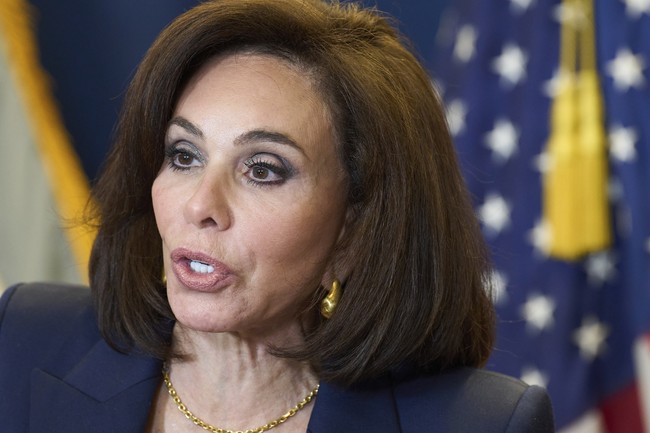
On Monday U.S. Attorney Jeanine Pirro spoke sharply about the episode and the wider trend of juvenile lawlessness . Her message was straightforward and unapologetic: these incidents will not be tolerated. Pirro framed the problem as both criminal and civic, insisting that the city must belong to law-abiding residents, not to influencers seeking notoriety through chaos.
NEW: U.S. Attorney Jeanine Pirro draws a hard line against teen lawlessness following a violent brawl at a DC Chipotle:
“It was a takeover of a restaurant by individuals who felt they could get away with it. Well, they’re not going to get away with it.”
“The message that lawlessness runs the streets is over.”
“The city belongs to law-abiding residents, not roaming mobs looking to make a name for themselves, contribute to the chaos and violence, or gain social media attention.”
“These are not kids being kids.”
Pirro didn’t water down her remarks when addressing reporters and residents. She described the episode as more than a fight between teens; she called it the deliberate destruction of property and the takeover of a restaurant by people who thought they could act with impunity. Those exact words landed hard in a city long criticized for soft responses to urban disorder.
These are not harmless gatherings. They are violent, and they are disruptive. And you can see from what happened at Chipotle this past weekend. It was not just violence occurring between two individuals. It was simply the destruction of property. It was a takeover of a restaurant by individuals who felt they could get away with it. Well, they’re not going to get away with it, and I’m going to tell you how in a couple of minutes. But this terrorizing is going to end. And the message that lawlessness runs the streets is over.
The city belongs to law-abiding residents, not roaming mobs looking to make a name for themselves, or to contribute to the chaos and violence, and to get social media attention.
Officials are talking tougher measures, including fines and even potential charges for parents whose children flout curfew rules. Prosecutors in the District said they could, in some instances, pursue parents who live in nearby states if their unsupervised teens are committing offenses inside D.C. That line of enforcement is controversial, but it’s born from frustration with repeat problems and limited tools to deter them.
Curfew laws themselves are also under scrutiny. Pirro and city leaders have pushed for adjustments after the council delayed action, leaving an 11 p.m. or midnight cutoff that many argue is too lax. Changing the curfew is not a cure-all, but it’s part of a broader push to restore basic order when elected officials have let standards slip.
Still, enforcement faces practical limits. Cities don’t have the manpower to arrest and detain every teenager who violates a curfew or joins a flash mob, and jails and holding areas fill up fast. That reality means legal penalties must be paired with community solutions, parental accountability, and prosecutors willing to follow through rather than making empty promises.
The deeper issues here are familiar: absentee parenting, prosecutors who decline charges in cases that once would have been prosecuted, and judges inclined to treat juvenile destruction as youthful mischief. Those patterns create incentives for repeat misbehavior and breed contempt for the rule of law. Until those incentives change, isolated arrests will only have marginal effects.
From a Republican law-and-order perspective, this episode highlights a core government failure: protecting citizens and their property. When cities fail to enforce basic rules, residents pay the price through fear, lost business, and lower quality of life. Stronger enforcement and accountability for parents signal that disorder will not be normalized.
Practical measures should include clearer curfew rules, consistent prosecution when kids commit real crimes, and consequences for adults who enable or ignore dangerous behavior. Tough talk from federal leadership matters because it forces local systems to choose between action and continued decline, and the people who live and work in these neighborhoods deserve a government that chooses to protect them.



Add comment