
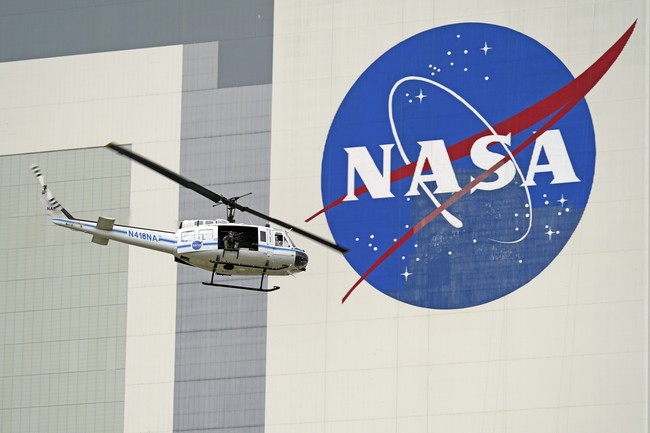
NASA has pulled back the curtain on a reboot of its Artemis lunar plan, trading big, public deadlines for a quieter, more methodical posture that puts hardware readiness and crew safety ahead of photo ops and political calendars.
The agency’s latest moves show a willingness to delay showpiece landings until the rocket, lander, and suits are demonstrably up to the task. After repeated technical problems, including persistent hydrogen leaks on the Space Launch System, NASA has pushed Artemis II and adjusted Artemis III to allow more orbital testing of the lander before committing crewed boots to the surface. This is a welcome shift from headline chasing to disciplined mission pacing.
That change came after hard advice from safety experts who said the original landing timeline was overly ambitious for the systems being developed. The Aerospace Safety Advisory Panel flagged the mismatch between political expectations and engineering realities, and that blunt counsel mattered. For conservatives who value competence over spin, the panel’s influence is a sign that institutions can still listen to experts whose job is to insist on realism.
Too often in modern public projects, marketing outpaces capability, and Artemis had some of that. The program was sold with emphasis on symbolic milestones and diversity milestones alongside technical goals, which created an impression the schedule was set by optics as much as engineering. There is nothing wrong with celebrating breakthroughs in representation, but the danger is when celebrations substitute for troubleshooting and rigorous testing.
Putting mission success ahead of optics is not an academic preference; it is a practical, strategic choice. A failed or rushed lunar landing would be more than an embarrassing headline: it could cost lives, undermine public confidence, and hand competitors a propaganda advantage. The Moon matters for science and resources, and it matters geopolitically as a contested domain where rivals watch every American misstep.
America’s strength in space has always rested on doing the hard technical work and accepting trade-offs to get it right. The SLS leaks, slipping schedules, and the complex partnership with private contractors reveal the messy reality of large-scale engineering. Sequencing missions so engineers can fix problems before pushing forward restores a sensible discipline: achieve demonstrable system readiness before escalation.
This course correction echoes a conservative view of governance: national projects should prioritize competence, accountability, and clear standards over symbolic wins. Deciding to fly additional tests and postpone a surface landing is not timidness; it is an investment in credibility. If NASA builds momentum on reliability rather than press coverage, the nation preserves the option to lead sustained, ambitious exploration that yields long-term returns.
There is also a strategic urgency beneath the procedural decisions. Adversaries are investing in lunar capabilities and will seize any narrative advantage. A botched crewed attempt would not only be tragic, it would empower arguments to abandon human exploration in favor of cheaper robotic missions, ceding leadership on the big, risky steps that define a superpower’s edge. The sober approach being taken limits that risk and keeps the American option for crewed lunar operations alive.
Returning to a mission-first mindset means accepting slower, less glamorous steps to secure later triumphs. NASA’s willingness to recalibrate timelines and add orbital validation flights signals a return to engineering discipline and accountability. The Moon rewards preparation; it does not respond to talking points or marketing campaigns, and our policy should reflect that hard truth.


Add comment