
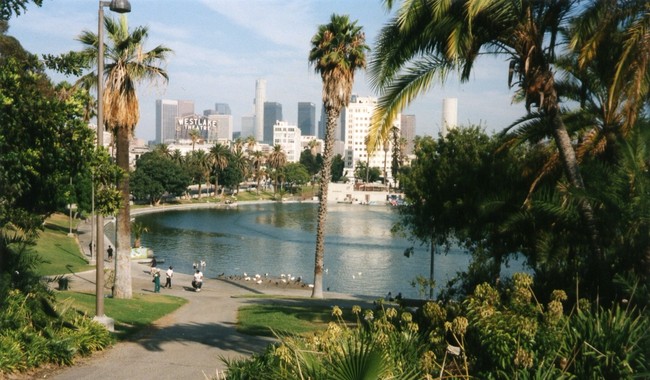
This piece examines the shocking cleanup totals at MacArthur Park in Los Angeles, the visible failures of local leadership to control public safety and sanitation, and the human and civic costs of letting a central city park become a refuge for trash, drug use and dangerous clutter.
The headline figure is almost impossible to ignore: 13 million pounds of trash and hazardous waste removed from one park over the course of a year. When an urban green space becomes a dumping ground for human waste, needles and debris, it tells you a lot about policy choices and enforcement priorities. The park sits in the heart of downtown Los Angeles and its condition has become a public health and safety problem that residents and businesses cannot ignore.
The cleanup numbers are not just statistics; they are evidence of a systemic breakdown. Reports indicate more than 6,359 tons of debris cleared from the park in 2025, including 142,329 pounds of human waste. That magnitude of fouling in a civic space makes it hard to trust city leaders who promise solutions but deliver deterioration instead. People see sidewalks and playgrounds turned into hazardous zones, and they lose confidence in elected officials and agencies charged with keeping public places safe.
Responsibility has to be part of any conversation about urban decline. When mayors, governors and state officials publicly vow to solve homelessness but allow core public spaces to devolve into health hazards, voters notice. A park is a simple test: if you cannot keep a park clean and safe, the message to residents is clear. The consequences are immediate — fewer families, fewer customers at nearby businesses, and a long-term drag on economic vitality.
https://x.com/TheKevinDalton/status/2074554121932398650
Beyond the raw totals, the kinds of items crews removed paint a grim picture of daily life in that park. Cleanup crews found needles, bongs, littered food, broken wheelchair parts and other discarded items that create a dangerous environment for anyone passing through. Local property owners report being assaulted and victims of violent encounters while trying to protect community assets from the spillover effects of open drug use and lawlessness.
Those who live or work nearby describe a place that no longer functions as a park for the public. Stories from the neighborhood include accounts of found dead animals, severely unsanitary conditions and an accumulation of debris that makes even necessary cleanup operations difficult. When public spaces are ceded to hazardous behavior, the burdens fall on sanitation workers and local businesses, not the policy architects who created the permissive environment.
The park’s history only deepens the sense of loss. Once named to honor a national figure, this urban centerpiece has been allowed to sink into a state of neglect that seems at odds with its civic pedigree. People remember a time when parks were maintained as common ground, not tolerated as encampments for criminal behavior. That memory sharpens frustration at leaders who talk reform but deliver chaos.
Grassroots efforts and private property owners have tried to push back, often at personal cost. One local real estate professional reported confronting violent addicts and suffering serious injuries while attempting to protect property and help clean up the surrounding area. Those confrontations underline the danger and the personal risk faced by citizens who step in when government action is absent or ineffective.
“Our team discovered half-carved rats, dead cats with blood from body punctures, wheelchair parts, discarded food, plastics, needles, bongs and liquor bottles. Sadly, dead seagulls were the first level of crud floating on top.”
Cleaning up 13 million pounds of waste is a massive logistical and financial burden, and it raises questions about prevention versus remediation. Constantly funding endless cleanups is not a sustainable policy; addressing root causes, restoring law and order to public spaces, and enforcing public health statutes are necessary to prevent repeat emergencies. Taxpayers deserve policies that stop the cycle rather than subsidize continual emergency responses.
There are also human considerations that cannot be ignored. Many people experiencing homelessness need mental health care, addiction treatment and stable housing, but those services must be paired with rules and enforcement that protect public safety and sanitation. Compassion without structure too often translates into neglect of the majority who use and pay for public spaces.
Local leaders can either set expectations that public parks are for the public or continue a permissive approach that turns them into hazardous zones. The debate over how to balance care for vulnerable populations with enforcement of the law is real, but continuing to tolerate conditions that endanger residents and workers is not an honest choice. If the goal is a livable city, then MacArthur Park’s condition shows the hard work that still needs to be done.



California has lost its way decades ago. When there was no representation of the right left, when laws were changed to allow funding from one Dem election campaign to be moved to a true challenged campaign the state was ruined.
IT is time to let CA bankrupt completely. There is no water, no infrastructure, hellacious taxation, and continued building where the environment is being destroyed. Not even the suits by environmentalists can stop any of it. The DEMS have destroyed Paradise, a true paradise has nothing left to offer.