
The piece reviews how airport security lines spiked when TSA staffing collapsed and how ICE agents were sent in to help, the political pushback that followed, and early signs that wait times improved at Atlanta’s Hartsfield-Jackson. It highlights assertions from officials about how ICE relieved TSA of perimeter duties so screeners could focus on checkpoints, alongside sharp reactions from some Democrats. CNN correspondent Ryan Young reported much shorter lines later in the day and called the scene “fantastic.” The article examines the politics underneath the operational fix and what remains unresolved.
When hundreds of TSA workers stopped showing up or quit because they were not being paid, airport security strained badly and wait times swelled to hours in some places. The funding stalemate for the Department of Homeland Security created a cascade of operational problems that left travelers stuck in mammoth lines. This was not just inconvenient; it undercut basic safety and the ability of federal agencies to manage secure entry points for millions of passengers.
With the gridlock continuing, the administration moved to redeploy personnel from other agencies to pick up tasks that freed up TSA screeners for checkpoints. Border Czar Tom Homan explained that ICE officers could perform perimeter security and other ancillary duties, allowing TSA to concentrate on screening. That redirection of resources was framed as a straightforward, practical solution to reduce waits and restore order at busy airports.
The redeployment stirred predictable outrage among some Democratic officials who framed the presence of ICE at airports as inherently aggressive and likely to cause harm. Sen. Richard Blumenthal argued ICE agents would be brutal or dangerous in those settings, a claim that inflamed public reaction and shifted attention from staffing issues to partisan outrage. That response made it harder to focus on the operational relief ICE was intended to provide.
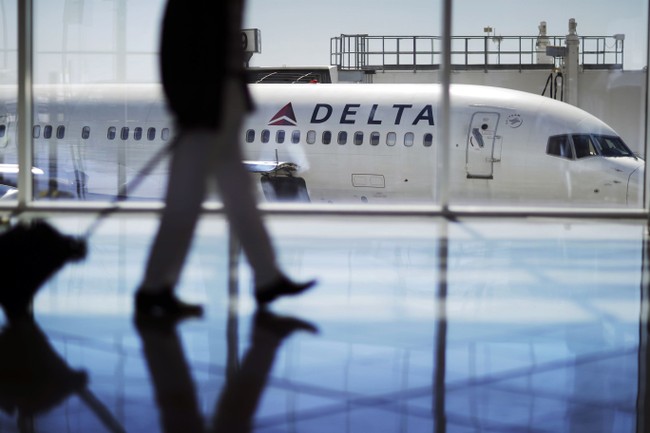
Despite the political noise, airline travelers at Hartsfield-Jackson started seeing relief. CNN senior national correspondent Ryan Young reported that lines “had dropped off significantly since the morning” and that many checkpoints were reporting waits under 30 minutes. Young walked terminals and found similar improvements across the airport and described the scene as “fantastic,” suggesting the short-term redeployment had an immediate, measurable effect on flow.
ICE personnel were observed handling outer-security responsibilities and other duties that do not require the specific screening authority of TSA, letting trained screeners get people through metal detectors and X-ray checkpoints more efficiently. That kind of practical reassignment is common in emergency operations and aims to match available personnel to tasks that restore core functions quickly. It is a stopgap while Congress addresses the funding gap that caused the disruption in the first place.
Still, the protests that sprang up around ICE’s presence created additional friction and threatened to blunt some of the operational benefits. Demonstrators turning out to make a political point can add security burdens at a time when resources are already stretched thin. That dynamic highlights how partisan theater can interfere with basic logistics and public safety when federal agencies are pulled into political fights.
The underlying problem remains unresolved: TSA staff want to be paid and DHS needs stable funding so federal security functions can operate without improvised fixes. Until lawmakers lock in appropriations, agencies will be forced to cobble together short-term workarounds and redeploy personnel in ways that may not be ideal. Republicans argue that the funding impasse must be framed clearly so voters know where the responsibility lies for the disruption.
Operationally, redeploying ICE achieved a rapid improvement in passenger throughput in at least one major hub, demonstrating that clear task reassignment can yield quick results. Politically, the move exposed deep partisan divides over the role of enforcement agencies and how to respond when staffing crises hit essential services. The immediate outcome was better flow at key checkpoints, but the solution depends on congressional action to avoid repeating the scramble.
Airport officials and federal supervisors still face logistical hurdles beyond staffing, including managing protests, coordinating agency roles, and ensuring consistent standards across terminals. The short-term fix bought time and eased lines, but it did not remove the need for sustained funding and clear responsibilities. Until appropriations are settled, expect more of these emergency shifts whenever federal pay or staffing is threatened.



Add comment