
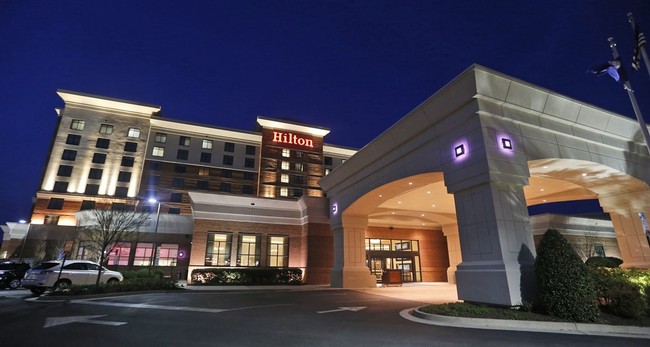
This article covers a recent dispute between the Department of Homeland Security and Hilton-branded hotels in the Minneapolis area, detailing emails reportedly canceling reservations for DHS and ICE personnel, public backlash from conservative activists, and Hilton’s past statements on immigration-related policies.
The situation began with DHS sharing correspondence that suggested local Hilton properties were refusing to honor reservations made by federal immigration agents. Details in the messages implied the hotels were intentionally canceling bookings after identifying the guests as DHS or ICE staff. That move sparked immediate criticism from conservatives who view it as a deliberate obstruction of lawful enforcement activity.
The initial notification allegedly sent to DHS staff read plainly that reservations would be canceled based on online information linking their names to immigration work. The tone of the email conveyed a firm refusal to host federal immigration personnel at the property, and it promised a formal cancellation notice from Hilton. Such language raised concerns among those who argue hotels should not pick and choose guests based on their lawful jobs.
In reply, DHS expressed outrage and framed the action as an unacceptable siding with criminals against law enforcement. The agency’s statement included this exact quoted line: “This is UNACCEPTABLE. Why is Hilton Hotels siding with murderers and rapists to deliberately undermine and impede DHS law enforcement from their mission to enforce our nation’s immigration laws?” That quote became central to conservative coverage and reaction to the incident.
The email from one Hampton Inn franchise reportedly spelled out policy in blunt terms, saying the property would not allow DHS or immigration agents to stay and asking staff to cancel any such reservations. The message read, “If you are with DHS or immigration, let us know as we will have to cancel your reservation.” It also asked recipients to inform coworkers, reinforcing a block on housing federal immigration staff at that location.
Another quoted passage provided the alleged reasoning behind a cancellation, stating: “After further investigation online, we have found information about immigration work connected with your name and we will be cancelling your upcoming reservation. You should see a proper cancellation email in your inbox shortly from Hilton.” That language suggested a screening process tied to online research into employees’ roles.
Turning Point USA spokesperson Andrew Kolvet weighed in publicly and urged a clear response from the brand, saying the chain should either condemn the local decisions or face consumer consequences. His remark included the uncompromising line: “The next step is clear: Either Hilton condemns this, apologizes, and reverses course in Minnesota or we boycott Hilton Hotels.” The call to action intensified pressure from conservative circles to force a corporate clarification.
Observers noted that Hilton operates largely on a franchise model, which can shield corporate headquarters from direct control over individual property decisions. That reality complicates how much a global brand can or will intervene when franchisees set local policies. Still, critics pointed to past corporate stances as evidence Hilton could and should clarify its position nationwide.
Past corporate statements cited in coverage stressed Hilton’s commitment to welcoming immigrants and employing refugees, and noted a 2020 clarification opposing detention of immigrants at its locations. Coverage referenced a previous corporate position that underscored hiring refugees and rejecting use of properties for detention. Conservatives seized on the contrast between those earlier comments and the recent franchise-level refusals.
For many conservatives this incident is not only about hotel policy but about a wider cultural and political clash over enforcement and public safety. They argue federal agents doing sworn work deserve basic protections and access to accommodations while on official duty. The cancellation notices struck a chord as symbolic of a broader willingness by some local actors to block lawful state functions on ideological grounds.
The episode has left observers waiting for a corporate response and wondering how companies will balance franchise autonomy with brand consistency on politically charged issues. Republicans and other critics have pushed for a swift, unequivocal statement to protect federal personnel and reaffirm that hotels should not selectively refuse guests based on lawful government roles. Until Hilton or its franchises clarifies policy, the dispute is likely to remain a flashpoint in debates over law enforcement, corporate responsibility, and political activism in the private sector.
Editor’s Note: Democrat politicians and their radical supporters will do everything they can to interfere with and threaten ICE agents enforcing our immigration laws.
Add comment