
The U.S. operation in Caracas was audacious, precise, and politically risky, combining surgical military planning with a willingness at the top to accept major consequences. This piece examines the sequence of events, the tactical craftsmanship behind the raid, and the political calculus that made such a bold move possible. I focus on the mission profile, the historical comparisons that frame its difficulty, and the implications for U.S. power projection in the hemisphere. The goal is to explain why this was both a rare military achievement and a defining political gamble.
The reported timeline begins with long-term intelligence work and culminates in a tightly choreographed extraction. Assets had been positioned inside Venezuela months earlier, providing the crucial human intelligence that made a direct action feasible. A narrow weather window and careful operational security created the chance to move from planning to execution without lethal compromise.
- CIA assets were in place months in advance, embedded close enough to provide actionable information.
- Diplomacy was exhausted before kinetic options were approved, delaying action until the right moment.
- A weather window and operational security concerns dictated a rapid, limited-notification launch.
- The plan called for overwhelming air suppression followed by a small, elite ground element to seize the high-value targets.
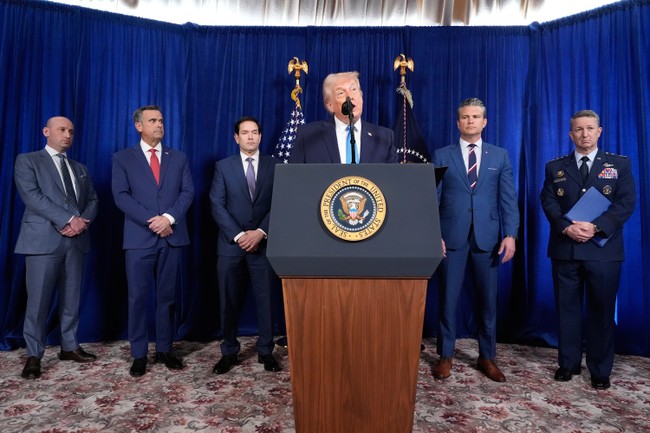
You can’t congressionally notify something like this for two reasons. Number one, it will leak. It’s as simple as that.
And number two, it’s an exigent circumstance. It’s an emergent thing. You don’t even know if you’re going to be able to do it. You can’t — we can’t notify them we’re going to do it on a Tuesday or on a Wednesday, because at some points, we didn’t know if we were going to be able to carry this out. We didn’t know if all of the things that had to line up were going to line up at the same time in the right conditions.
You know, it had to be at the right place at the right time with the right weather, and all things like that. So those are very difficult to notify, but the number one reason is operational security. We would have put people —
STEPHANOPOULOS: As you know —
RUBIO: Carry this on — in harm’s way, and frankly a number of media outlets had gotten leaks that this was coming and held it for that very reason, and we thank them for doing that, or lives could have been lost.
Shortly before midnight, the final approval came, and the chain of command moved from planning to action. Within hours, air strikes suppressed defensive systems, and helicopters delivered an elite ground detachment to the target. The force faced resistance, took some casualties and injuries, and extracted the designated individuals to a naval platform without a catastrophic breakdown of the plan.
From a tactical perspective, this was a textbook special operations success executed at extreme risk. Comparable historical missions include Son Tay and the Gran Sasso raid; each illustrates the high stakes of deep penetrations into hostile or contested territory. Those precedents show both the possibilities and the fragility of such missions, where timing, surprise, and precise coordination determine whether the operation succeeds or collapses.
What set this operation apart was the deliberate decision to keep it small and focused rather than escalate into a multi-branch invasion. The planners resisted the sweep of ever-larger force packages that can sink a mission under logistical complexity. Someone made the hard call to prioritize speed and minimal footprint, and that single-mindedness preserved the operation’s viability.
There was no meaningful local reaction force that could have rescued troops if things went wrong, so the margin for error was razor thin. Every element had to work: electronic warfare, suppression of air defenses, insertion, assault, and extraction. That it did is a tribute to training, rehearsal, and leadership at every level who refused to let bureaucracy smother a well-honed plan.
The political side of this is just as consequential as the military achievement. Ordering a kinetic operation without broad congressional notification was a deliberate, high-risk choice. It signaled that the administration prioritized mission success over political cover, accepting the prospect of intense partisan blowback if the operation failed.
That willingness to bet the presidency on one bold move separates this from routine use of force. A president who will take that risk alters the strategic calculus for adversaries and allies alike. It sends a clear message: U.S. leadership in the hemisphere will be backed by decisive action when necessary.
Critics will dissect the mission and offer alternative narratives, but operational realities matter more than armchair theories. Open-source speculation about staged betrayals or negotiated departures will flourish, but the coherency of the plan, the synchronization of assets, and the political courage to execute them are the real story. This operation demonstrated capability, intent, and a willingness to act when vital interests are at stake.
It also reintroduces the idea that American forces can perform high-risk, high-payoff missions and return with strategic results. That capability, when coupled with a leadership willing to assume responsibility for its use, reshapes how the United States can deter and, when required, disrupt hostile actors in the region. The implications for future operations and deterrence posture are significant, and they will be debated for years to come.

Add comment