
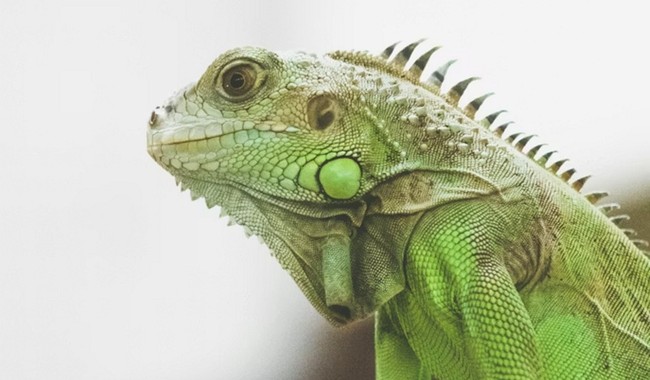
Frozen iguanas are falling from trees across Florida after a cold snap sent these invasive reptiles into torpor, and state officials are treating the event as an opportunity to remove large numbers of the animals from the landscape; residents are being encouraged to collect the immobilized reptiles, some of which survive after plunging from heights, while others are processed or used for bait or food in local communities.
Over the past week, unusually cold nights pushed temperatures into the 30s and left green iguanas immobile, dropping from branches and littering yards and sidewalks. The phenomenon looks dramatic — reptiles appearing dead as they slump out of trees — but wildlife experts say most are in a cold-induced state called torpor rather than actually deceased. Torpor causes loss of muscle control and slowness, so iguanas often hang limply until temps rise again and they regain normal function.
Florida has long struggled with the ecological consequences of nonnative green iguanas, which burrow into canal banks, damage seawalls, and chew ornamental and native vegetation. Officials describe the population as abundant and destructive, and the recent cold spell gave wildlife managers a rare chance to organize removal efforts when many animals are temporarily incapacitated. Those efforts include collection centers where residents can bring animals for humane dispatch or for other uses authorized by local guidance.
— WeatherNation (@WeatherNation)
Because iguanas are cold-blooded, they respond to sudden temperature drops differently than mammals and birds. Instead of seeking shelter or shivering, their metabolic processes slow and they enter a torpor-like state, which can look like death to the untrained eye. In many cases these reptiles are still alive and can recover once temperatures climb back up above the danger threshold, but prolonged exposure or injury from a fall can still prove fatal.
The practical result for homeowners has been piles of motionless reptiles on lawns and along canals, a scene that has prompted both concern and opportunism. Local agencies encouraged residents to collect any fallen iguanas rather than leave them to rot or draw scavengers. Collection points filled quickly as people turned in animals for removal; some centers reported long lines and crowded drop-offs as communities mobilized to help reduce the invasive population.
Florida officials explained that this removal push was partly a response to the scale of the infestation and partly a rare chance to reduce numbers with less risk to the public during a short window. “South Florida has not experienced this level of cold weather in many years,” said Shannon Knowles, communications director for the Florida Fish and Wildlife Conservation Commission. “So we used this opportunity to remove this invasive non-native species from the landscape.”
“This is the first time we have organized a removal effort of invasive iguanas,” she said.
Even when they fall from 40 feet or so, many of these reptiles survive the tumble, complicating rescue and removal efforts because some will recover on their own when conditions improve. Others suffer injuries or die, and those animals are processed according to local public health and wildlife rules. Communities with high iguana densities now face ongoing choices about control measures, balancing humane treatment with the need to protect property, infrastructure, and native species.
Beyond eradication and disposal, the cold snap sparked an odd creative side to local responses: some residents and chefs considered or tried preparing iguana meat. In certain parts of Florida, people have long used invasive reptiles as a protein source or as bait for crab traps, turning a pest problem into a practical resource. Those culinary experiments are not universal or mainstream, but they are part of how some communities adapt to living with a pervasive nonnative species.
Many residents, though, are not eager to embrace iguana tacos and prefer simpler solutions: secure gardens, reinforce canal banks, and report burrows and high-impact animals to wildlife authorities. For now, the cold-weather event provided a short-term reduction in visible iguana activity and a mobilization of public effort. As spring warms the state back up, those involved expect the surviving population to rebound unless sustained control measures continue.
The episode highlights a broader challenge for Florida: managing invasive species that thrive in the subtropical climate and adapting to occasional extreme weather that can provide windows for intervention. It also underlines how communities and agencies can coordinate quickly when an unusual natural event creates both a problem and an opening to address long-standing ecological concerns.



Add comment