
Ryan Wedding, a former Canadian Olympic snowboarder, has been arrested in Mexico and transferred to the United States on charges alleging he led a transnational cocaine trafficking operation tied to the Sinaloa Cartel; federal officials say the arrest follows years on the run and a high-profile reward for information. This article outlines the arrest, the accusations against Wedding, statements from U.S. officials, and the background that traces his path from athlete to alleged narco-trafficker.
How a one-time Winter Olympian became a figure accused of running a large-scale drug network is a story that spans borders and criminal alliances. Authorities describe a lengthy, international investigation that eventually led to his capture in Mexico City, where he had been evading justice. The FBI says this arrest is part of a larger effort to dismantle cartel-linked trafficking into North America.
Ryan Wedding, a Canadian former Olympic snowboarder suspected of becoming a cocaine smuggling kingpin responsible for multiple drug-related murders, has been arrested and brought to the U.S. to face charges, U.S. officials said on Friday.
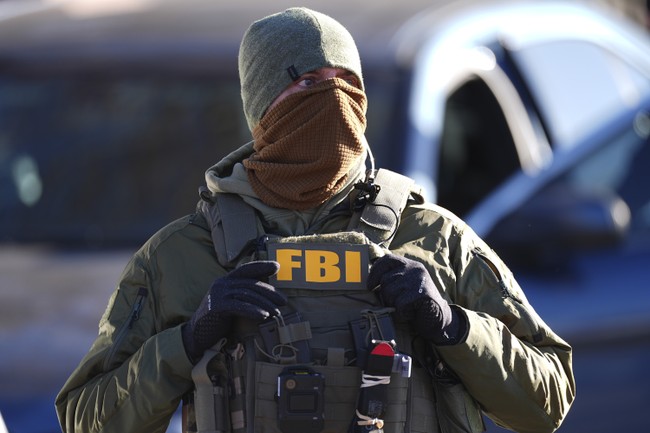
Speaking at a press conference at an airport east of Los Angeles, FBI Director Kash Patel said Wedding was arrested Thursday evening in Mexico City after years on the run.
U.S. officials described coordinated work with Mexican counterparts, including law enforcement and military elements, to bring Wedding into custody. The arrest followed what officials called years of investigative work tracking shipments and alleged ties to organized crime. Prosecutors in the United States are now preparing to press charges related to drug trafficking and violent acts attributed to his organization.
Director Kash Patel made a direct statement about the scope of the alleged operation and its impact on communities across the continent. Patel said the accused network and its cartel partners “poured narcotics into the streets of North America, and killed too many of our youth and corrupted too many of our citizens.” He emphasized the goal of removing dangerous figures from the streets and interrupting the flow of illegal drugs.
“This individual and his organization and the Sinaloa Cartel poured narcotics into the streets of North America, and killed too many of our youth and corrupted too many of our citizens,” Patel said. “That ends today.”
Patel described Wedding as the “largest narco-trafficker in modern times,” akin to notorious drug lords like Joaquin “El Chapo” Guzman and Pablo Escobar.
Wedding, 44, is on the FBI’s “Top 10 Most Wanted” list for allegedly running a transnational drug trafficking network responsible for transporting hundreds of kilograms of cocaine from Colombia through Mexico to the United States and Canada. The U.S. government had offered a $15 million reward for information leading to his arrest or conviction. Patel did not disclose whether the reward would be paid out.
Officials say Wedding, now 44, is accused of directing shipments of cocaine from South America through Mexico into the United States and Canada, and of ordering violence to protect that business. The FBI placed him on its Top Ten Most Wanted list, where he remained until his recent arrest. Authorities had announced a reward of $15 million for information that would lead to his capture or conviction, underscoring the priority they placed on his case.
Wedding’s background is striking: he once represented Canada in Olympic snowboarding competition but later became entangled in criminal enterprises. Reports indicate his criminal path included interactions with multiple international smuggling groups and ultimately with Mexican cartel operatives. His criminal record also includes a prior prison term tied to an undercover sting, and allegations that his organization carried out murders, including of someone slated to testify against him.
The fall from athlete to alleged kingpin included an earlier marijuana operation that drew law enforcement attention and a later period of incarceration after an attempt to buy cocaine from an undercover federal agent. Investigators say those incidents were part of a pattern leading into a broader transnational enterprise. Canadian authorities were also implicated in parts of the probe, as some murders alleged to be connected to the network occurred in Ontario.
U.S. officials have framed this arrest as another success in cross-border law enforcement cooperation, and as a message about the costs of trafficking and violence. The FBI has now captured multiple high-priority fugitives in a short span, a fact agency leaders pointed to when discussing their recent work. Prosecutors will move forward with the formal charges in U.S. courts as the case proceeds.
This arrest removes a person accused of large-scale harm from public circulation, but it also raises questions about how international criminal networks grow out of smaller operations and how long, complex investigations track those who flee across borders. As the legal case unfolds, authorities will continue to present evidence to support the allegations and pursue accountability through the courts.
Add comment