
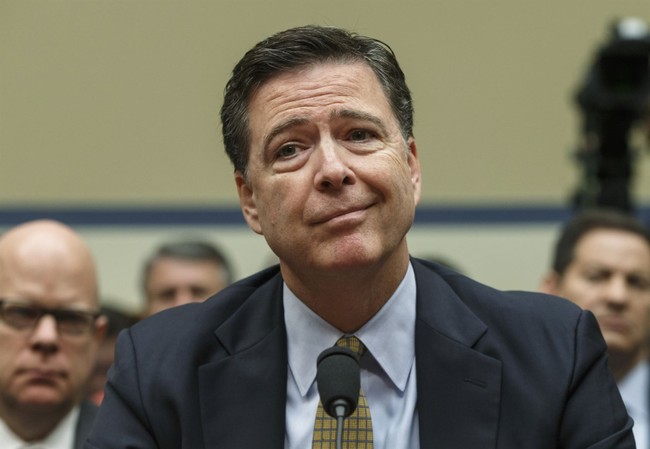
The Comey indictment remains alive despite headlines claiming it fell apart, and recent courtroom back-and-forths exposed procedural irregularities that are more about form than substance; the grand jury returned true bills on two counts related to statements before Congress, the Department of Justice corrected the record after a hearing, and the fight over disclosure of grand jury materials is ongoing. This piece walks through what happened with the indictment, why the apparent irregularity occurred, and why conservatives should view the situation through a cautious, law-focused lens rather than breathless celebration.
Former FBI Director James Comey was indicted late in September on two counts tied to his congressional testimony in September 2020: False statements within the jurisdiction of the legislative branch of the United States Government [18 U.S.C. § 1001(a)(2)] and Obstruction of a Congressional proceeding [18 U.S.C. § 1505]. Those are serious statutory allegations that go to the integrity of testimony before Congress and the functioning of oversight. The indictment’s basic substance is straightforward: prosecutors allege false statements and obstructive conduct in a high-profile setting.
Last week’s hearing in the Eastern District of Virginia produced headlines suggesting the grand jury never saw the final indictment, and that the case was therefore in jeopardy. Judge Michael Nachmanoff questioned DOJ attorneys about a discrepancy between the version presented to the grand jury and the amended charging document filed in court. The press framed the exchange as a bombshell, and conservative outlets echoed the notion that the indictment might collapse.
The Justice Department acknowledged Wednesday that the grand jury that indicted former FBI Director James Comey was never shown the final version of the charges.
Prosecutors revealed the lapse under questioning by the judge overseeing the case. Comey’s attorneys argued the omission warrants dismissing the indictment. The judge did not immediately rule.
…
In a back-and-forth in Judge Michael Nachmanoff’s courtroom in the Eastern District of Virginia on Wednesday, DOJ attorney Tyler Lemons admitted that the indictment handed up on Comey was never fully reviewed by the full grand jury. Instead, Halligan brought an altered version to the magistrate’s courtroom for the grand jury’s foreperson to sign.
That exchange led to dire-sounding headlines such as “Trump’s DOJ Admits Comey Grand Jury Never Saw Final Indictment” and reporting that the case hung by a thread because of Halligan’s handling. Those takes jumped from a technical irregularity to the conclusion that the indictment is doomed. For Republicans who want accountability and the rule of law, it’s tempting to celebrate when a high-profile target appears to get procedural protection, but accuracy matters more than schadenfreude.
Complicating matters, Magistrate Judge William Fitzpatrick ordered disclosure of grand jury materials to the defense, which is unusual since such materials are usually secret. That order amplified concerns and fueled headlines about prosecutorial missteps. But the DOJ responded quickly with objections and then filed a notice correcting the record in a way that clarifies what the grand jury actually returned.
The core of the confusion is straightforward: the grand jury reviewed three proposed counts, but it did not agree on one of them. It did agree on two counts, which correspond to the false-statement and obstruction charges now in the indictment. The initial document contained three counts, but the first count was not agreed to and was subsequently removed. The grand jury foreperson signed off on the amended two-count indictment with another juror present when the remaining jurors had left for the day.
That sequence explains why some questioned whether the grand jury ever saw the final text filed with the court. What changed was not the substance of the charges but the removal of one count the grand jury did not endorse. The DOJ’s later filings make clear that the grand jury returned a true bill on the two counts currently charged. In short, form over substance explains the irregularity.
None of this guarantees how Judge Nachmanoff will rule on the motion to dismiss or other challenges raised by Comey’s defense team. The judge could find that procedural mistakes, even if harmless, warrant relief; courts have discretion in these matters. Conservatives should want judges to apply the law consistently, not to let headlines dictate legal outcomes or to excuse actual misconduct by prosecutors when it exists.
There are broader lessons here for GOP audiences who care about accountability: first, don’t let sensational headlines replace sober analysis of the record; second, legal technicalities matter, but they rarely alter substantive facts unless prejudice is shown; and third, watchdogging prosecutorial behavior is a legitimate conservative role so long as it’s grounded in the actual filings and courtroom transcripts. The Comey case will keep moving through motions and rulings, and it deserves close attention from a perspective that values both due process and responsibility.
When does this damned to hell TRAITOR get his execution at GITMO???
Quit all of this screwing around and SERVE JUSTICE!!!