
The Cracker Barrel rebrand exploded into a national controversy this year, sparking sharp backlash and a shareholder revolt that ousted a DEI consultant while leaving the CEO to answer for what went wrong. This piece walks through the rebrand fallout, the company response in a sit-down interview, the role DEI and outside organizations played, and the lingering questions about priorities and authority at the chain.
Americans noticed the new Cracker Barrel look and many reacted as if a reliable staple had been reshaped without asking anyone who actually cares about it. The backlash hit hard, and the company quickly paused the makeover and promised customers they would not erase the brand’s familiar identity. That reversal did not erase the damage to public trust or the sense that decisions were being made by people disconnected from the core customer base.
Shareholders stepped in and signaled the same dissatisfaction by rejecting the DEI consultant Gilbert Dávila when board nominees came up, and he resigned shortly afterward. That kind of response from investors is a clear message: changes that alienate loyal customers carry real consequences on the balance sheet and the boardroom. The episode exposed a gap between senior executives’ intentions and the market — and the people — they serve.
CEO Julie Felss Masino went to Glenn Beck for her first extended interview about the debacle, answering questions in a torn and defensive moment for the brand. “Our guests have a right to be upset,” Masino told Beck. “We messed up. The intent was not ideological. It was not to put the old version of Cracker Barrel in a box. It was not the intent whatsoever.” Those words acknowledge error, but they don’t erase the suspicion that other motivations were in play.
Masino explained that the new logo was part of a broader design system, and she insisted the iconic “old-timer” would remain. She said the team missed how removing that figure made people feel personally excluded, and she offered, “I’m sorry,” adding, “We really regret that. That was not the intention.” Apologies matter, but voters of culture — customers — care more about what changes follow and whether leadership actually shifts its priorities.
When pressed on whether the rebrand reflected a shift into DEI-driven corporate culture, Masino offered a bland defense about being welcoming. Beck pushed harder and got the simple reply: “No, it’s pancakes.” That line landed like an attempt to refocus the issue on food and hospitality, but it also raises the obvious question: if the problem really is just menu and service, why did the visual changes become so central and controversial?
Critics and conservative observers point to a pattern of actions that suggested Cracker Barrel was inching toward public-facing embrace of progressive causes. Reports noted visible support for Nashville Pride, River City Pride and involvement with the Human Rights Campaign, along with rainbow-themed rocking chairs at locations and even one placed in a corporate office. Small symbolic gestures accumulated into a perception the company was courting cultural statements rather than focusing on its customers.
Starbuck highlights Cracker Barrel’s support for LGBTQ+ organizations and events, such as Nashville Pride, River City Pride and the Human Rights Campaign (HRC).
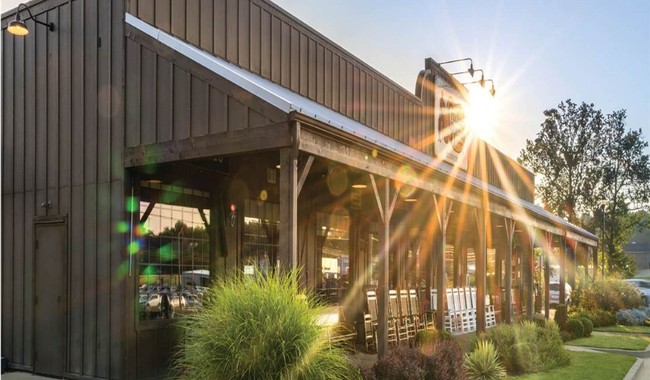
He also noted that the company displayed rocking chairs with rainbow colors and LGBTQ+ insignia. The company even went so far as to place one in its Tennessee corporate office. Rocking chairs are practically synonymous with Cracker Barrel, with the restaurant’s long porches lined with them at locations nationwide.
“The fact that it’s located there is important to this story because what’s happened here is a microcosm of the parasitic operating procedure of left-wing activists,” Starbuck said. “They don’t just wanna force their soulless, godless, hedonistic vision of the future onto blue hellscapes that their party controls.
“No, it’s much more important to them that they shove it down into your towns, into your kids’ schools and into your way of life. So, sticking a pro-trans rocking chair into their headquarters in a predominantly conservative town is exactly the type of thing they revel in doing.”
Working with the Human Rights Campaign carries its own expectations, because the HRC’s Corporate Equality Index nudges companies toward certain policies and public stances. Cracker Barrel denied recent work with the HRC while still appearing at LGBTQ+ events, which only deepened suspicion among customers who saw mixed messaging. When corporate actions seem to drift into cultural activism, loyal customers often react like shareholders — by withdrawing support.
Doug Hisel, a senior vice president, repeatedly steered the conversation back to food and service during the interview, arguing the chain should improve its core product. That’s a defensible focus: a restaurant’s primary obligation is to serve great food and give good hospitality. But critics say the rebrand wasted time and resources and that leadership ought to have concentrated on operations instead of symbolic redesigns that alienated regulars.
The episode leaves a clear takeaway for corporate leaders: values and strategy must align with the customer base, especially for heritage brands. Whether Cracker Barrel truly re-centers around its traditional audience remains to be seen, but the boardroom consequences and public outcry have already shown that cultural missteps carry a hefty price. For brands that built their reputations on familiarity and comfort, surprising customers with unexplained change is risky business.



Add comment