
Checklist: summarize Cruz’s impeachment call, explain the judges and the sentence at issue, quote Cruz’s remarks, outline the impeachment process and odds, and note the political purpose of the move.
Senator Ted Cruz used a Senate hearing to demand that Congress consider impeaching two federal judges over decisions he calls dangerous to the rule of law. The judges identified are James Boasberg and Deborah Boardman, the latter of whom issued a sentence in the attempted assassination case involving Justice Brett Kavanaugh. The controversy centers on what many conservatives see as an alarmingly lenient sentence and decisions that erode confidence in impartial justice.
Cruz argued that this is not only about a single sentence but about broader patterns of behavior that undermine public trust in the courts. He reminded listeners that impeachment can be appropriate even when criminal statutes are not broken, because judges can subvert the constitutional order or wield their office in ways that injure society. That line of argument intentionally shifts the conversation from narrow procedural complaints to public accountability for the judiciary.
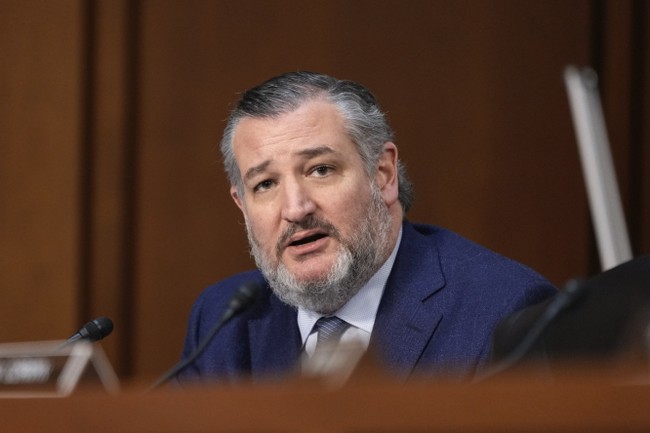
Sen. Ted Cruz, R-Texas, on Wednesday called on Congress during a Senate hearing to impeach two federal judges, making his most elaborate case yet for imposing the extraordinary sanction on a pair of closely scrutinized jurists.
Cruz acknowledged that impeaching federal judges is exceedingly rare — 15 have been impeached in history, typically for straightforward crimes like bribery — but the Texas Republican argued it was warranted for judges James Boasberg and Deborah Boardman.
“Rarer still, until now, were the deeper offenses the framers feared most — judges who, without necessarily breaking a criminal statute, violate the public trust, subvert the constitutional order or wield their office in ways that injure society itself,” Cruz said. “That is why, throughout history, Congress recognized that impeachable misconduct need not be criminal.”
The case that sparked Cruz’s ire involves Judge Boardman’s sentence in the Kavanaugh attempted-assassin prosecution. The Department of Justice asked for a 30-year sentence; Boardman imposed eight years after considering the defendant’s gender identity as a mitigating factor. Conservatives across the country reacted with disbelief, arguing the light sentence sends the wrong signal about politically motivated violence and the courts’ role in deterring it.
The confrontation over this sentence is about law and about norms. Conservatives worry that sentencing influenced by identity considerations invites inconsistent punishments and political judgments from the bench. For Republicans who believe the judiciary should apply neutral principles, that outcome looks like a dangerous departure from equal application of justice.
Cruz, a Senate Judiciary Committee member with an extensive legal background, said the House needed to initiate impeachment proceedings over controversial gag orders Boasberg signed in 2023 and a sentence Boardman handed down last year in the case of Justice Brett Kavanaugh’s attempted assassin.
Impeachment proceedings must be initiated in the House and typically run through the House Judiciary Committee.
Russell Dye, a spokesman for the GOP-led committee, said “everything is on the table” when asked if Chairman Jim Jordan, R-Ohio, was open to the idea. If the House were to vote in favor of impeachment, it would then advance to the Senate. Two-thirds of senators would need to vote to convict the judges and remove them, a highly improbable scenario because the vote would require some support from Democrats.
Practically speaking, the path from a House inquiry to conviction in the Senate is nearly impossible without bipartisan buy-in. Two-thirds in the Senate is a steep hurdle, and most Democrats will balk at removing a federal judge, even when furious rhetoric is deployed. Still, Republicans view public accountability measures as a tool to push back against perceived judicial activism and to warn other judges about straying into political judgments.
This is, in part, political theater with a clear strategic aim: to spotlight decisions viewed as partisan and to mobilize a base that feels the judiciary has become unmoored. Symbolic actions can alter the conversation, shape future behavior, and influence nominations and confirmations. Cruz’s move signals that conservative lawmakers are willing to use the impeachment tool to police judicial conduct when they see it as corrupting the constitutional balance.
In the case of Boardman, a Biden appointee, the judge sentenced Sophie Roske, who previously went by Nicholas Roske, to eight years in prison after the Department of Justice sought a 30-year sentence. Roske pleaded guilty to attempting to murder Kavanaugh. Boardman said she factored into her sentence that Roske identified as transgender and therefore faced unique adversity.
That explanation from the bench touched off accusations of bias from critics who argue judges must base punishment on acts and harm, not on personal characteristics. To Republicans, treating identity as a mitigating circumstance in an attempted assassination undermines equal justice and could create perverse incentives. The controversy highlights the tension between evolving social standards and traditional notions of impartial sentencing.
Whether or not impeachment moves forward, the episode will influence how conservatives approach judicial nominations, oversight, and rhetoric moving into future battles. It also forces a national conversation about the limits of judicial discretion and where accountability should lie when judges appear to depart from established sentencing norms. The fight over these issues looks set to continue in committee rooms, court filings, and the court of public opinion.

Add comment