
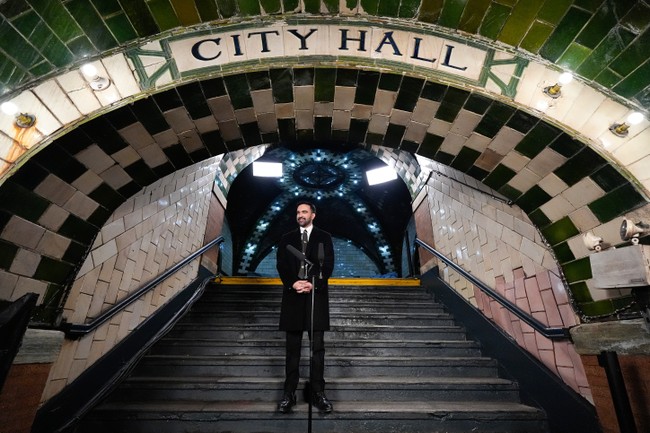
The new administration in New York, led by Zohran Mamdani, has sparked immediate controversy with staffing choices and a quick jump into issues that many would call symbolic rather than substantive, including an attempt to intervene in World Cup ticket pricing.
The city’s political landscape shifted sharply when Mamdani took office, and his first week has already produced headline-making decisions. Observers who warned about his inexperience now point to a string of appointments and public moves that aggravate concerns about governance and priorities. The tone of those choices suggests an administration comfortable with ideological gestures over pragmatic solutions.
Several of Mamdani’s early hires raised eyebrows for reasons beyond partisanship. His Chief Counsel, Ramzi Kassem, has a record that includes defending an Al Qaeda terrorist and an anti-Israel spokesman, which critics say undermines confidence in his legal judgment. The new chief of the NYFD is an intersectional woman with no record as a firefighter, a move opponents call symbolic and risky for public safety roles.
The administration created a Deputy Mayor of Economic Justice and filled it with Julie Su, whose tenure as a failed Biden appointee drew national attention. Critics say the title and the appointment reflect a focus on slogans over problem-solving. Meanwhile, the tenant advocacy office has become a flashpoint after its advocate, who once described owning a home as an act of white supremacy, faced scrutiny over her parents’ upscale residence.
Those staffing controversies set the stage for a different kind of overreach: stepping into the World Cup ticket debate. Within days of taking office, Mamdani signaled he would try to influence pricing for FIFA matches, framing it as a defense of ordinary fans. To some, that move looked like a symbolic appeal to fairness; to others it felt like a mayoral intrusion into a private, international event.
The mayor’s push reveals a broader mindset about government’s role. He appears to treat nearly every issue as one that requires public intervention, from commuter lines to grocery access. Proposals such as free commuter line access, expanded rent controls, and government-operated grocery stores echo a worldview that elevates municipal control over market forces. That approach risks clashing with the realities of private events and international organizations that simply do not operate under city mandates.
Another complicating fact is jurisdiction. The marquee World Cup matches, including the final, are slated for the stadium shared by the New York Giants and New York Jets in East Rutherford, New Jersey. That geographic detail weakens a mayoral claim of authority, yet Mamdani has framed his involvement as necessary to make games accessible. He wants this game to be available “to each and every New Yorker,” despite the stadium’s location and its fixed capacity of just over 80,000 seats.
Ticket pricing itself is a legitimate complaint for fans who feel shut out by premium pricing and scarcity. But price and availability issues are tied to global contracts, event promoters, and FIFA’s own distribution systems. Critics argue that a mayoral promise to intervene confuses jurisdictional limits with political theater, and it risks promising remedies the city cannot deliver. That disconnect is exactly the kind of mismatch that fuels doubts about this administration’s grasp of practical governance.
Across policy and personnel, the first week has looked like a series of headline moves rather than targeted fixes. The pattern suggests a preference for ideological signaling and broad proclamations rather than the slow, detailed work of administration. For many residents and civic leaders, the early signs are simply not reassuring about how complex problems will be handled.
One week is a short time in office, yet the choices made so far offer a preview of how this mayor might govern. Staffing that invites controversy, a habit of public pronouncements on matters beyond municipal control, and a willingness to prioritize symbolic battles all combine into an early impression that priorities may be misaligned. The questions now are whether this administration will shift toward practical governance or double down on theatrical policymaking.

Add comment