
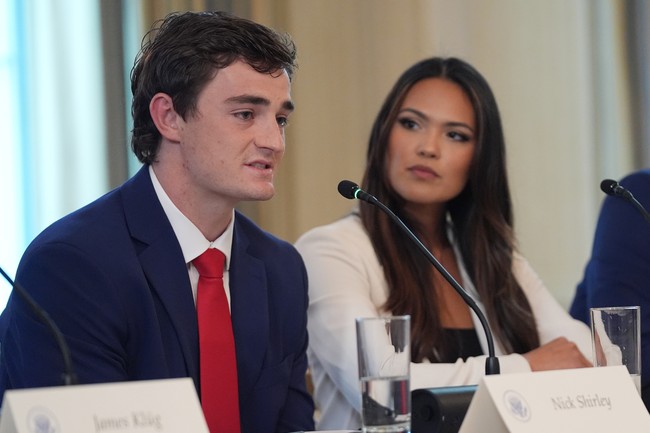
The Conservative Political Action Conference opened with a clear spotlight on the next wave of conservative citizen journalists, highlighting how younger activists are exposing fraud, defending voter integrity, and pushing back against a political culture that shields wrongdoing. At CPAC 2026, Kurt Schlichter and rising figures like Nick Shirley and Jackson Purfeest discussed Minnesota corruption, the fight over voter ID, and why grassroots reporting matters now more than ever. Their conversation tied citizen reporting to a broader movement to hold officials accountable and preserve honest elections. The session framed this new generation as the natural successors to the activist reporting that helped reshape conservative media over the last decade.
Kurt Schlichter framed the panel by saying the conservative movement is “passing on the torch” to a new class of on-the-ground reporters and investigators. He argued that the spirit Andrew Breitbart sparked continues in young people willing to dig in and expose local corruption. The tone was unapologetic: ordinary Americans must step up when institutions fail to hold bad actors accountable. That message resonated with an audience tired of establishment silence and partisan cover-ups.
Nick Shirley, now 23, described a start in video work at age 15 and a steady commitment to weekly reporting that sharpened into investigations. He recounted uncovering systemic fraud in Minnesota, naming entities that allegedly siphoned resources meant for legitimate services. His work has drawn fire from local leaders, but Shirley insists the only answer to corruption is relentless exposure. He encouraged citizens to confront waste and abuse directly instead of waiting for officials to act.
Jackson Purfeest, the 25-year-old mayor and college student, painted a stark picture of rural strain where fraud diverts funds away from real people in need. Purfeest warned smaller communities could be driven to fiscal collapse if abuse continues unchecked, saying the problem is “sucking up” resources that should support residents. He credited early whistleblowers and past figures who raised alarms, noting the public’s sense of resignation that fraud is simply part of normal life. That acceptance, he argued, must be replaced by active local scrutiny and accountability.
Panelists agreed that Democratic resistance to voter ID measures fuels a permissive environment for election malfeasance. Shirley pointed to California, where policies discourage asking for ID at the polls, as emblematic of a nationwide push to make verification harder. The speakers tied lax procedures to broader patterns of mismanagement and political gamesmanship. Their argument was blunt: when the left resists straightforward integrity measures, it undermines trust in the system.
Shirley recounted specific episodes, such as exposing questionable operations and urging citizens to protest locations that had benefitted from alleged schemes. He said some local leaders tried to rally opponents against him rather than address the findings. That kind of reaction, he suggested, reveals priorities that favor optics over reform. For conservatives, the takeaway was clear: independent watchdogs must fill the gap left by reluctant authorities.
Purfeest emphasized enforcement and consequences, calling for firm action against those who profit from fraud and insisting “all fraudsters need to be arrested,” then adding, if necessary, “deported.” His language underscored a law-and-order approach to the problem, prioritizing restitution for harmed communities. That stance resonated with attendees who view enforcement and clear accountability as the only remedies for endemic corruption. It also reflected a broader Republican view that public resources belong to taxpayers, not to schemes or political patrons.
Schlichter examined the generational shift in risks and tactics confronting citizen journalists today, noting this new cohort faces digital smears, official pushback, and legal pressures that differ from earlier eras. Still, he expressed confidence that the movement will grow as more young people see concrete results from their work. Shirley urged others to “be the person that stands up in your own community so we can get politicians like [MN Gov.] Tim Walz to drop out of races,” spelling out a strategy of local pressure leading to political consequences. That direct, activist mindset typified the session’s energy.
The panelists portrayed conservative independent media as essential to keeping power honest when other institutions falter. They argued grassroots reporting is uniquely positioned to uncover problems that mainstream outlets overlook or ignore. For Republicans, that mission ties into a larger push for transparency, secure elections, and fiscal responsibility. The CPAC conversation made it plain that citizen journalists are central to that effort and that their work will shape local and national debates in the months ahead.



Add comment