
This article tracks live results from Arizona’s July primary, outlining key statewide and congressional contests, notable endorsements, and which races could shape November’s outcomes. It notes polling and reporting timelines, names leading candidates, and highlights where open seats and Trump endorsements could influence the balance of power heading into the general election.
Arizonans voted Tuesday in the only July primary this year, with polls closing at 7 PM local time and initial results beginning to appear around 8 PM. The state offered several consequential Republican matchups while a few Democratic incumbents moved through unopposed primaries. The timing and turnout in these contests will matter for the fall, especially in a state that has swung between parties in recent cycles.
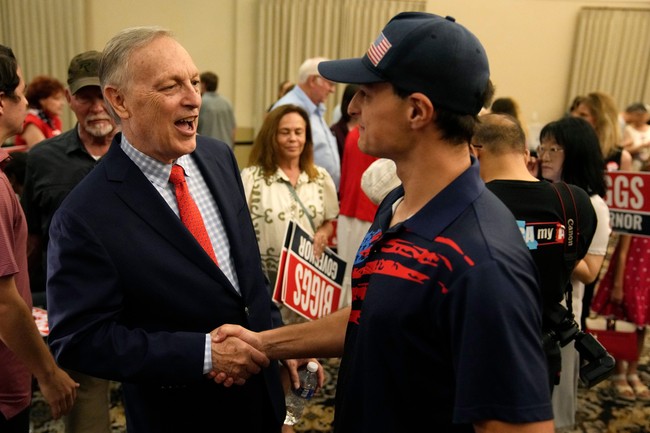
The governor’s race drew particular attention because Republican primary voters faced a competitive field while the Democratic incumbent had no primary opposition. Rep. Andy Biggs of AZ-05 entered as the clear frontrunner, carrying a high-profile endorsement from President Donald Trump that clarified conservative voters’ lean. Rep. David Schweikert of AZ-01 positioned himself as the leading alternative, promising a different conservative approach and appealing to voters focused on experience in Congress.
The attorney general contest on the Republican side featured Rodney Glassman, an attorney with Air Force and private sector experience, and Warren Petersen, the Arizona Senate president. Both argued they could mount a strong challenge to the Democratic incumbent in November, framing the race around law and order, election integrity, and the enforcement priorities that matter to Republican voters. How this primary resolves will determine whether the GOP has a unified message heading into the general election.
For secretary of state, Democrat Adrian Fontes faced no primary opponent and will await a Republican nominee from a contest between Rep. Alexander Kolodin and former state party chair Gina Swoboda. That office has been central in recent debates over election administration and certification, and Republicans see it as a key pathway to ensuring secure and transparent processes. The primary fight reflected differing emphases on enforcement tools and public messaging heading into November.
Several House races also drew interest because they featured open seats and high-profile names. In District 1, the ballot did not include the departing incumbent who was pursuing the governor’s office, and the field included state Rep. Joseph Chaplik and former Arizona Cardinals kicker Jay Feely. Feely drew attention with a presidential endorsement, while Chaplik campaigned on legislative experience and local ties. Voters there weighed familiarity against name recognition and endorsements when choosing their nominee.
District 5 became another focal point after the incumbent opted to run for governor, creating an open-seat scramble. Trump-endorsed former Sheriff Mark Lamb aimed to secure the GOP nomination against businessman Daniel Keenan and others who emphasized conservative policy priorities and local economic themes. Open-seat primaries in a battleground state often serve as early indicators of grassroots energy and donor enthusiasm heading into the fall campaign season.
Across the statewide and congressional contests, endorsements and intra-party dynamics mattered. Trump’s endorsements shaped several races, giving chosen candidates leverage with core Republican voters but also crystallizing opposition from rivals who argued for different conservative principles or more traditional Republican governing experience. Voters in Arizona had to decide whether to reward loyalty to national figures or back candidates they believed had the best chance to win in November and govern effectively.
Turnout and timing were central themes throughout the night, with many watching how late mail ballots and early returns would alter initial results. Arizona’s political landscape has shifted repeatedly in recent cycles, and the primary provided a snapshot of where the Republican base is leaning and which messages are resonating. Campaign teams on both sides will study the returns for cues on messaging, resource allocation, and which districts will demand extra attention in the general election.
The primary also had an eye toward down-ballot implications, since open seats and contested nominations can affect party control and committee dynamics in Congress. Winning key races in Arizona would help the GOP shore up its numbers and influence national policy debates if those nominees prevail in November. The state remains a strategic battleground, and the outcomes from this July primary will echo as campaigns pivot to the general election timetable.

Add comment