
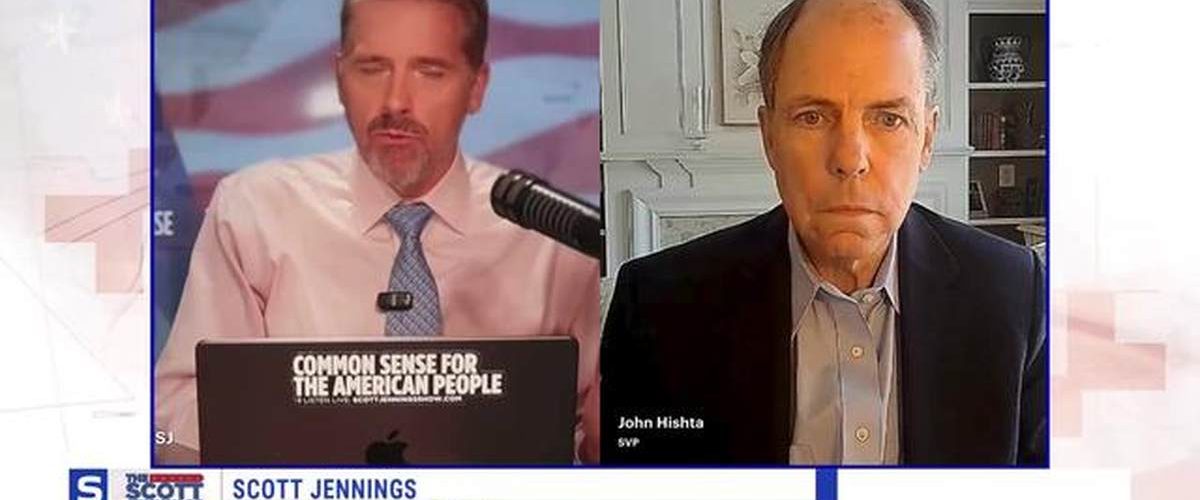
AARP’s poll finds Michigan’s U.S. Senate race in a dead heat while Democrats hold a slight edge in the governor’s contest, and the discussion turns to which voting bloc will decide both outcomes.
The poll results from AARP landed like a splash of cold water in a state that decides national power. A dead heat in the Senate race means neither side can take Michigan for granted, and that reality should force Republicans to sharpen their message and ground game. Democrats holding a narrow lead for governor is a warning, not a verdict; slim margins can flip with turnout and targeted outreach.
For Republicans, the first task is clarity: explain how conservative principles translate into better outcomes for Michigan families. That means framing economic competence, public safety, and pragmatic stewardship of budgets in plain terms voters understand. When campaigns stop assuming support and start earning it, they make up ground fast.
The AARP results also highlight the importance of specific demographic groups that often decide close contests. Seniors and independents are central to this conversation because their votes swing more than ideological base voters in tight races. Winning those groups requires policies that deliver tangible benefits, not slogans that only energize the base.
Messaging alone won’t be enough; execution matters. Republicans who win in Michigan will combine crisp messages with a disciplined ground operation that targets neighborhoods where persuasion and turnout can move the needle. That means local volunteers, consistent voter contact, and a calendar that converts potential supporters into actual voters on election day.
Economic concerns remain a common thread voters cite when deciding whom to trust with state and federal offices. Republicans should point to specific fixes—reducing unnecessary regulatory burdens, supporting small business growth, and protecting retirement savings—that resonate with the AARP constituency. When people see a plan tied to their wallets, they pay attention.
Public safety and community stability are another cutoff point for many swing voters. Emphasizing law and order, transparency in policing, and support for victims can shore up suburban and rural voters who worry about crime trends. Talking about practical reforms rather than partisan blame keeps the conversation focused on results.
The governor’s race is often a referendum on state leadership and practical competence. A narrow Democratic lead suggests dissatisfaction but not despair for Republicans; it also signals a chance to present a contrast in priorities without demonizing opponents. Voters reward candidates who talk about solving problems that affect their daily lives—schools, roads, jobs—so it’s sensible to stay on that ground.
Michigan’s political map also includes urban centers where Democrats have strength and outlying counties where Republicans traditionally perform well. Success will come from maximizing advantages in friendly areas while making inroads into contested suburbs. Targeted messaging and turnout programs that reflect local concerns are the fastest route to shifting close races.
Getting the senior vote right is particularly important given AARP’s involvement in the poll and the demographics it represents. Seniors care about healthcare costs, prescription drugs, and secure retirement benefits, and they respond to clear, credible policies that protect their interests. Republicans who speak plainly about protecting Social Security, controlling costs, and increasing access to quality care will find receptive ears.
Independent voters will decide a lot, and they typically favor competence over ideology. Campaigns that show how conservative policies produce safer communities and steadier pocketbooks will earn credibility. Avoiding extreme rhetoric and focusing on achievable wins helps persuade independents who are tired of political noise.
Finally, the dead heat in the Senate and the tight governor’s contest underline a simple fact: Michigan is up for grabs. Republicans who combine respectful, straightforward messaging with disciplined organizing and an appeal to practical concerns have a clear path forward. The next steps matter more than the headlines; in tight races, execution wins.



Add comment