
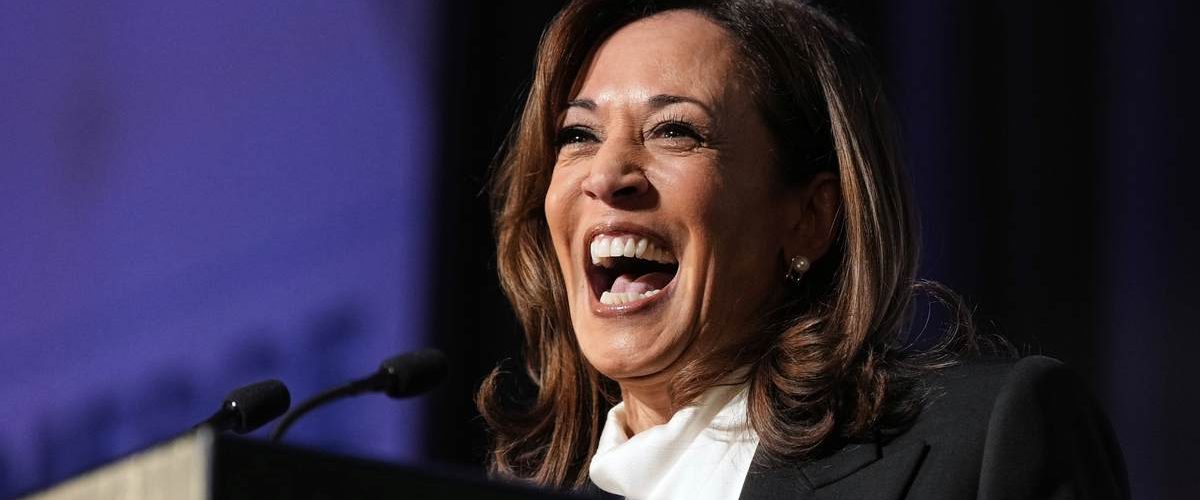
KAMALA HARRIS dropped a short video accusing President Trump of trying to “make it more difficult for you to vote by mail” after the Supreme Court backed USPS rules on tracking mail-in ballots. The clip mixes a conspiracy tone with odd delivery, a federal judge has paused the rules, and the debate now centers on whether tighter tracking is election protection or political theater.
The central claim in Harris’s video is blunt: “He’s trying to make it more difficult for you to vote by mail.” She frames the USPS rule change as an attack on voters, even as the rules would require unique identifiers and clearer routing for absentee and mail-in ballots in federal elections. That technical fix is presented by Harris as part of a larger scheme to suppress votes, and she peppers the message with rhetorical flourishes meant to alarm.
The underlying USPS change is straightforward: states would provide the Postal Service with routing details for ballots and those envelopes would carry identifiers so each piece can be tracked through the mail system. Supporters call this transparency and accountability; opponents portray it as an intrusion into voting practices. For Republicans who prioritize ballot integrity, tracking each ballot is a sensible step to prevent lost or mishandled envelopes while preserving chain-of-custody standards.
Harris’s video mixes policy claims with a theatrical tone that undercuts her own argument. She says, “By the way, he votes by mail from Mar-a-Lago, but he doesn’t want you to vote by mail because he knows you’re paying attention,” which implies a double standard without showing any motive or method for a supposed plot. That rhetorical leap is the sort of political shorthand meant to rile viewers rather than advance a detailed case about how the rule would harm ordinary voters.
Timing matters. An Obama-appointed judge moved to block the rules from taking effect, explaining blue states face “irreparable harm” if they must comply with a regulation the judge viewed as likely unconstitutional so close to the 2026 midterms. That temporary pause shifts the immediate fight to the courts, but the public argument keeps rolling on social media and in short campaign clips where nuance is rarely welcome.
Watching the video, many viewers will focus as much on how Harris speaks as on what she says. Her delivery in a fast, breathy clip left critics wondering whether she was polished and presidential or off her rhythm and scattered. Political operatives on both sides will analyze every cut and pause, and Republican strategists will use the moment to question Democratic competence while emphasizing the importance of clear, enforceable voting rules.
The optics here play directly into the 2026 midterm narrative: Republicans pressing election integrity reforms and Democrats framing those moves as voter suppression. If rules that increase traceability for ballots are characterized only as sabotage, voters will be forced into a binary choice: trust party spin or accept straightforward steps to prevent postal errors. Conservative messaging benefits from stressing accountability without suggesting voter intimidation.
Democrats warn that any extra scrutiny on ballots opens the door to disenfranchisement, while conservatives counter that a transparent system prevents chaos and protects legitimate outcomes. That debate is not new, but this episode crystallizes it around a specific postal rule set and a viral clip. The legal stay means the courts will give a clearer reading before any nationwide change takes hold.
Beyond policy, the clip feeds into a larger cultural story about tone and temperament. Campaign videos are designed to be shareable, but when a prominent figure appears unsteady, the opposition turns it into proof of broader narratives about fitness for office. Republicans will highlight the contrast between calls for responsibility in election administration and what they call performative outrage from the other side.
Whether viewers see the video as a warning about voter suppression or as political theater will largely depend on their existing view of the parties. What matters for the rules themselves is evidence: does unique tracking make ballot handling safer? Does it impose burdens that unfairly affect certain states? Those are legal and administrative questions for courts and election officials to sort out, while campaigns will keep using the moment to press their case.
https://x.com/KamalaHarris/status/2093109308011548770
Expect both sides to weaponize this clip in the months ahead. Republicans can push the practical benefits of better tracking and accountability, while Democrats will continue to frame the measures as threats to access. The practical fix at the center of the fight deserves a sober look, not just viral grabs and partisan sound bites.
“By the way, he votes by mail from Mar-a-Lago, but he doesn’t want you to vote by mail.
Hey, everybody. Just this week, the United States Supreme Court backed up the president’s agenda. He’s trying to make it more difficult for you to vote by mail.
By the way, he votes by mail from Mar-a-Lago, but he doesn’t want you to vote by mail because he knows you’re paying attention.
Context is so important. Gas prices are up, food prices are up. He got us in a war that the American people don’t want, and he is worried he is going to lose the midterms.
We are two months away from the midterms. Get out and vote. Let’s get everyone out to vote. They are cheating. They are trying to cheat. And we have got to turn out in big numbers and be too big to rig.
I’ll see you out there.”


Add comment