
Checklist: clarify Trump’s denial and legal threat; report Jamie Dimon’s rejection and comments on Fed independence; summarize prior debanking allegations and investigations; note bank responses and ongoing legal activity; preserve direct quotes and the embed token.
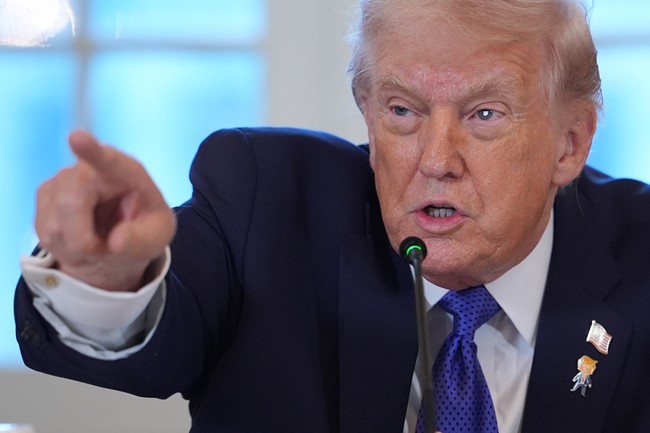
President Donald Trump has publicly denied offering JPMorgan Chase CEO Jamie Dimon the Federal Reserve chairmanship and announced plans to sue JPMorgan, saying the bank wrongfully closed his accounts after the January 6, 2021 protest. He used his Truth Social platform to call a Wall Street Journal report false and said he will file suit against the bank within weeks. The move is part of a broader, repeated claim that major banks have unfairly targeted him and other conservatives.
Trump posted, “This statement is totally untrue, there was never such an offer and, in fact, I’ll be suing JPMorgan Chase over the next two weeks for incorrectly and inappropriately DEBANKING me after the January 6th Protest.” He also complained that the Journal never contacted him to verify the story, saying he would have immediately told them “NO” and ended the speculation. The denial is emphatic and comes alongside renewed public accusations about politicized banking decisions.
Jamie Dimon has already made clear he has no interest in running the Federal Reserve. As he told attendees at a U.S. Chamber of Commerce event, “Chairman of the Fed, I’d put in the absolutely, positively no chance, no way, no how, for any reason.” Dimon added he prefers his current role and would not accept that responsibility, though he said he might “take the call” if asked about serving as Treasury Secretary.
Dimon has been outspoken about protecting the Fed’s independence and warned that political interference could backfire. He argued that undermining central bank autonomy would likely “have the reverse consequences” and could push interest rates higher rather than lower. Those comments came during JPMorgan’s fourth-quarter earnings call and reflect a long-standing stance that the Fed should stay insulated from short-term political pressure.
Trump also rejected talk that he had offered Dimon the Treasury Secretary role, insisting no such offer was made or even considered. He praised his current Treasury Secretary, calling him “A SUPERSTAR,” signaling satisfaction with his financial team while still pushing the debanking narrative. The dispute mixes personnel rumors with the larger legal and political fight over banking access.
Claims that banks have “debanked” Trump and his organizations stretch back years and have spawned multiple legal actions. In March 2025 the Trump Organization sued Capital One, alleging the bank closed more than 300 accounts shortly after January 6, 2021 for what the suit described as politically motivated reasons. Capital One denied those accusations and sought to dismiss the lawsuit, calling the political discrimination claims false.
Trump has also complained publicly to media outlets that banks made moves to limit his ability to deposit large sums, saying JPMorgan gave him 20 days to move “hundreds of millions of dollars in cash” and that Bank of America refused to accept a deposit “a billion dollars-plus.” Those public statements feed into a narrative of financial institutions policing political actors. Whether those claims will hold up in court is the next chapter in this ongoing dispute.
State-level investigators have weighed in as well, with Florida authorities opening probes into alleged debanking actions. Florida’s attorney general launched an inquiry in November 2025 focused on claims that JPMorgan worked with federal probes and restricted accounts tied to Trump Media & Technology Group. Company leaders have raised the procedural oddity that some alleged actions would have affected entities that did not exist on January 6, adding another factual wrinkle.
JPMorgan continues to deny closing accounts for political reasons and insists it follows the law when responding to subpoenas and regulatory requests. A bank spokesperson has said the institution “follows the law in responding to subpoenas from the government” and supports efforts to fix policies that made banks “overly cautious.” Those statements are consistent with major banks defending compliance decisions while rejecting partisan motives.
The battle now shifts toward litigation and investigations, with the president promising legal action and regulators examining past conduct. Trump’s announcement frames the dispute as both personal redress and a broader claim about political bias in financial services. As suits and probes proceed, the coming weeks will test how courts and regulators handle allegations that banks improperly severed ties for political reasons.
Add comment