

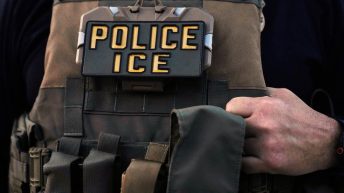
The Biden-appointed judge issued a sweeping preliminary injunction that limits ICE agents’ ability to use crowd-control tools, to arrest demonstrators deemed “peaceful,” and to detain protesters in vehicles unless they are forcibly obstructing agents, a move that comes amid escalating anti-ICE protests and recent deadly and violent encounters in Minneapolis.
The ruling bars ICE from using pepper spray and other crowd dispersal tools in response to speech or protests. It also restricts stopping or detaining protesters in vehicles unless there is clear, forcible obstruction. This judicial intervention arrived as clashes between agents and activists intensified on the streets of Minneapolis.
The injunction grew out of a lawsuit filed by activists who argued ICE violated protesters’ rights, and the judge concluded many demonstrators were “non-violent and non-threatening.” The ruling explicitly protects people whom the court views as “engaging in peaceful and unobstructive protest activity” from retaliation. That legal language will now shape how agents may respond during demonstrations in the city.
“Judge Kate M. Menendez ordered agents not to retaliate against people “engaging in peaceful and unobstructive protest activity,” or to use pepper spray or other “crowd dispersal tools” in retaliation for protected speech. The judge also said agents could not stop or detain protesters in vehicles who are not “forcibly obstructing or interfering with” agents.”
In practice, policing is about split-second choices under danger, not academic debates about labels. Officers and agents must protect themselves and the public when confronted with people who are violent or who shelter violence behind claims of protected speech. Telling frontline personnel they cannot use basic, non-lethal tools while mobs throw objects or ram vehicles is a recipe for escalating harm.
That problem is not hypothetical in Minneapolis, where recent nights have shown protesters and agitators using aggressive tactics. There have been serious assaults on agents, and at least one fatal shooting involving an ICE agent and a named agitator. When enforcement officers face life-threatening attacks, the luxury of courtroom hypothesis is replaced by stark, real-world danger.
“The ruling, which granted a preliminary injunction, stems from a lawsuit brought by activists who said agents had violated their rights. The suit was filed before an immigration agent shot and killed Renee Good in Minneapolis on Jan. 7.”
Federal officials, including DHS spokespeople, have pushed back by pointing out that the First Amendment does not shield rioting or assaults on law enforcement. The department has emphasized that obstructing law enforcement is a federal crime and that officers deserve protection from violence. Those warnings matter when courts constrain the tactical options available to agents on the ground.
“The First Amendment protects speech and peaceful assembly — not rioting,” DHS spokesperson Tricia McLaughlin said in a statement. “DHS is taking appropriate and constitutional measures to uphold the rule of law and protect our officers and the public from dangerous rioters. We remind the public that rioting is dangerous — obstructing law enforcement is a federal crime and assaulting law enforcement is a felony.”
There is also an operational fallout to consider: agents deprived of common crowd-control measures must either risk greater exposure to harm or stand down while property and public safety suffer. Courts can and should protect civil liberties, but judges who fail to account for tactical realities put lives and public order at risk. The tension between legal theory and tactical necessity is now playing out in real time.
Predictably, legal appeals are looming. The Justice Department and the administration will almost certainly seek to overturn or narrow the injunction as they push to maintain public safety and deliver on immigration enforcement promises. Expect fast-moving filings and an urgent debate in appellate courts about how much latitude agents may have during protests.
Beyond the courtroom fight, this decision highlights a broader political and cultural clash over law enforcement priorities. Activists and some city leaders frame enforcement as aggression; federal agents and conservatives see it as necessary action to uphold the rule of law. That split fuels legal challenges and complicates efforts to find practical, enforceable standards for handling demonstrations.
At the street level, the ruling creates confusion: protesters may interpret it as permission to press the envelope, while officers face tighter constraints on defensive measures. The ultimate outcome will depend on how appeals courts balance constitutional protections for speech against the government’s duty to protect officers and the public during volatile confrontations.
The injunction will likely be contested quickly, and higher courts may be asked to clarify how far protections for “peaceful” protest extend when demonstrators or their fringes become violent. Until then, agents in Minneapolis must adapt to fresh limits on their tactics even as unrest continues, and citizens will watch closely to see which approach restores safety without trampling rights.
The court’s language and the public response ensure this case will be a flashpoint in national debates about law enforcement, protest, and immigration enforcement. The tension between protecting speech and preserving order is real, and the legal system now sits squarely between activists and agents trying to do their jobs amid chaos.

Take this activist commie Judge Kate M. Menendez along with all immigration law obstructionists and toss their asses into GITMO!
Case closed!