
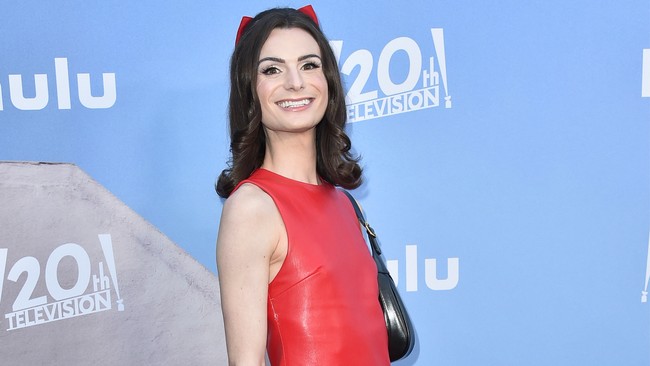
Dylan Mulvaney, known for a high-profile marketing controversy, will make a Broadway appearance as Anne Boleyn in the musical “SIX,” a casting choice that has reignited debates about gender, authenticity in casting, and the cultural direction of mainstream entertainment.
The announcement that Dylan Mulvaney will play Anne Boleyn on Broadway landed like a splashy PR move and an ideological flag planted center stage. For many conservatives, this feels like another chapter in the cultural pivot where identity politics increasingly dictate casting choices, not historical fidelity or the perspective of women who have long been sidelined in show business.
“Losing our heads to introduce your newest Anne Boleyn!” . The show’s publicist framed the casting with cheeky historical wordplay, but the message cut both ways: it was publicity, and it was provocation. That combination explains why the reaction online has been so loud — some cheer, many jeer, and a sizable number of theatergoers are simply confused.
SIX reimagines Henry VIII’s six wives as a modern pop girl group, an approach that turns painful history into an arena for contemporary cultural commentary and musical theater gimmickry. The musical has been hailed by its supporters as 21st-century girl power, but critics argue that recasting a biological woman’s traumatic story with a biological man undermines the claim to authentic female empowerment. That tension sits at the heart of the controversy.
Mulvaney’s profile soared in 2023 after a brand partnership that provoked a sharp consumer backlash, and that history colors public expectations for anything they touch. The Bud Light episode showed how swiftly consumers react when they feel a brand has abandoned its base, and it turned Mulvaney into a polarizing cultural symbol rather than just a performer. Bringing that figure to Broadway guarantees attention and controversy in equal measure.
The choice raises questions about what theater producers prioritize: viral visibility or artistic integrity. Casting decisions that rely on social media fame instead of traditional theatrical credentials risk cheapening the craft for many who study and earn their roles through years of training. Some argue the theater should be an experimental space; others say it should be a refuge for serious storytelling, not a platform for influencers.
From a conservative perspective, this is part of a broader pattern where institutions pivot to trendy narratives without regard for their core audiences or historical accuracy. The entertainment industry frequently rewards gestures that signal ideological correctness rather than choices that preserve the interests of the communities those stories represent. That fuels resentment among viewers who feel spoken for rather than listened to.
There are practical implications for ticket buyers and subscribers as well. When casting becomes driven by controversy and clicks, season subscribers and longtime patrons worry their tastes and money are being treated as expendable. Broadway shows operate on tight financial margins, and alienating a portion of the audience over headline-driven casting could have measurable effects on box office returns in the long run.
Supporters of Mulvaney’s casting say theater should reflect diverse identities and that cross-gender casting can open new interpretive possibilities. They point out that art evolves and that reimagining historical figures through different lenses can offer fresh insight. That argument clashes with those who believe certain roles, especially those grounded in the lived experiences of women, should remain with women.
Public reaction will ultimately tell the tale: will theatergoers vote with their feet, or will curiosity and curiosity-driven ticket sales outweigh principled objections? The Bud Light fallout shows that boycotts and backlash can leave deep scars, but the theater audience for a title like SIX may be more tolerant of experimental casting than the average consumer base. Still, producers should not assume controversy automatically converts to sustained support.
The Mulvaney casting is a cultural litmus test, not just a theatrical footnote. It presses on the fault lines between identity politics, artistic choice, and market realities in modern entertainment. That friction is likely to keep the conversation alive long after opening night, and it guarantees that the show will be discussed as widely for its casting as for its music and choreography.
Whatever one’s view, the move underscores how the entertainment industry continues to be a battleground for culture wars, where casting choices become statements about who is seen and who gets to speak. For audiences who value historical authenticity and the elevation of women’s voices in stories about women, this decision will feel like a setback. For others, it will be another sign that theater is reinventing itself to reflect current debates about identity and representation.



Take this pervert freak homosexual devil and toss him into a foreign country shit-hole!
We’re done with your putrid shit!