
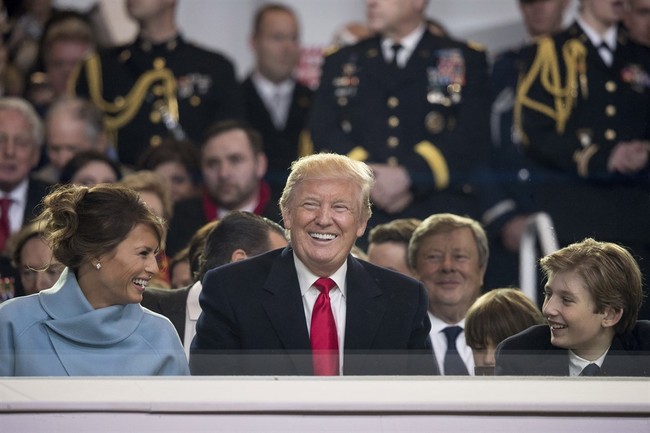
This article covers President Trump’s jokes about “Trump Derangement Syndrome,” his playful 4-D chess proposal, the White House’s mock prescription response, progressive reactions on the Hill, and public examples that the column argues show a broader political spectacle.
President Trump spoke briefly with reporters and officials gathered in the Oval Office to discuss maternal healthcare and used the moment to needle his critics. He called out what he labeled Trump Derangement Syndrome, a term he used to describe left-leaning opponents who reflexively oppose him regardless of policy. He framed it as a kind of ailment, turning insult into comedy in front of assembled officials and journalists.
Trump joked that opponents can be so consumed they “can’t even see straight.” He quipped, “They’ve got serious Trump Derangement, which actually is a disease. I’m hearing it is actually a disease. It’s an honor.” That line set the tone for a light-handed but pointed roast aimed at the media and Democrats who oppose his agenda.
He then laid out a deliberately provocative tactic he called 4-D chess: propose the opposite of what he actually wants so automatic opposition flips into support. In his words, “But I have a new way out. I’m going to propose something the opposite of what I want, and we will have massive amounts of legislation… I’m going the opposite. That whatever is bad, I’m going to… Go for it, and they’ll approve what’s good, finally.”
The White House followed that theatrical riff with a tongue-in-cheek “prescription” aimed at those allegedly affected by the syndrome. Officials leaned into the joke and published a mock remedy to match the president’s playful framing. The move was intended to sharpen the contrast between the administration’s messaging and what it casts as the opposition’s performative outrage.
Humor has long been a political tool, and this administration made a point of using it during the briefing to both deflect criticism and set a narrative. The piece of political theater blended policy talk with gags, showing how speeches and PR can pivot into ridicule. The result was a short, pointed performance meant to entertain supporters and needle opponents at once.
On Capitol Hill, reactions were immediate and predictable, with Democrats criticizing the president’s remarks about the White House and security measures. Senate Minority Leader Chuck Schumer took the floor and denounced what he saw as dangerous or inappropriate proposals, prompting further headlines and viral clips. His response became part of the larger back-and-forth that the administration highlighted as evidence of reflexive antipathy.
The coverage around these exchanges also included viral moments and satirical products, underscoring how modern politics mixes comedy, commerce, and commentary. One recurring gag referenced a novelty product called “Trumpenol” touted in social media conversations as a joke cure for the condition. The administration and allied voices used these vignettes to underscore their point about performative opposition.
Even some figures on the left have acknowledged the phenomenon of automatic opposition, if only in passing or with reluctance. The article cites Senator John Fetterman’s blunt line about how his party reacts to anything associated with Trump, captured in his own words: “If he came out for ice cream and lazy Sundays, we would f**ing hate it.” That quote was used to illustrate the column’s claim that partisan reflexes can override policy judgment.
The overall thrust of the coverage was to argue that the ongoing spectacle reveals something about opposition politics today, suggesting it often relies more on outrage than on alternative policy visions. The piece used a mix of jokes, staged responses, and viral moments to make that case, presenting the administration’s humor as both message and method. The larger point was to portray the controversy as emblematic of a wider political tactic rather than a substantive policy debate.

Add comment