
The Tennessee redistricting fight turned into a full-throated clash over race, representation, and politics, with GOP lawmakers moving quickly after a Supreme Court ruling and Democrats erupting on the floor. This piece walks through the map change, the reactions from the Tennessee Democratic delegation, and the ironic history behind the contested district and its incumbent.
Tennessee’s Republican-led legislature unveiled a new congressional map intended to reflect the Court’s decision that race cannot be the sole basis for redistricting. The plan, released in early May, would shift the state’s congressional balance from 8-1 Republican/Democrat to a possible 9-0 GOP sweep, a clear priority for state leaders focused on fair maps and secure representation. Lawmakers pushed the new map through the House and then the Senate in short order, signaling they wanted the 2026 ballot to reflect the updated approach to district lines.
The Democratic response was immediate and theatrical, with protests on the House floor and emotional speeches accusing Republicans of racial intent. One lawmaker, Rep. Justin Pearson, leveled a blunt charge on the House floor, calling the maps “racist tools of white supremacy at the behest of the most powerful white supremacist in the United States of America, Donald J. Trump.” That line captured the fury of opponents, but it also sharpened the partisan divide and drew attention to the deeper local disputes behind the rhetoric.
Pearson followed that statement with another vow directed at fellow Democrats: “you will take the only black-majority district from us. But I want you to know: No matter what you do, no matter how much you try to break us and make us bend and quit — we will still be here.” His words were passionate, and they animated the crowd in the gallery, but they also obscured a messy political reality in Memphis and the district in question.
Video of the chaotic moments on the floor circulated widely and captured both sides of the confrontation, including an incident where a trooper attempted to escort someone from the gallery and was shoved. The scene underscored how raw the issue has become and how easily procedural fights over maps escalate into physical altercations. Moments like this do not help Democrats make a case for moral high ground in a dispute that is fundamentally political.
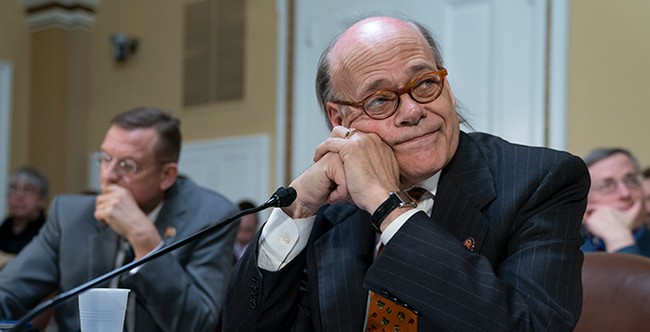
Digging into the nuts and bolts reveals the irony that fuels much of the frustration: the district Pearson referenced, TN-09, has been represented by Steve Cohen, a white Democrat, for nearly 20 years. That fact complicates the narrative that a black-majority district has been denied black leadership; voters have repeatedly elected Cohen across multiple cycles. The contrast between the district’s demographics and the identity of its long-serving representative is central to the arguments on both sides.
Over time, the district has seen primary challenges from black Democrats who argue representation should reflect the majority population. Those internal Democratic fights have been persistent and occasionally dramatic, and they explain why some activists felt so aggrieved when the new maps were unveiled. The latest cycle intensified those tensions when Justin Pearson himself entered the field as a challenger to Cohen in the Democratic primary, setting up a personal stake in the map debate.
Pearson’s candidacy adds a striking twist: the same legislator shouting that the map would “take the only black-majority district from us” is the one who tried to unseat Cohen in that district. That political reality undercuts the idea that the GOP alone is to blame for denying a black candidate a path to Congress. It also points to a broader truth: intra-party dynamics and voter preferences matter just as much as lines on a map.
The history of Cohen’s tenure includes his unusual attempt to join the Congressional Black Caucus after first winning the seat, a move that was rebuffed. The exchange captured in reporting years ago quoted Cohen: “I think they’re real happy I’m not going to join,” and acknowledged the caucus sees itself as an invitation-only group. That episode highlights how identity politics and institutional boundaries can create both expectation and resistance.
A blockquote from earlier coverage lays out that same episode in Cohen’s words and context, and it remains an odd footnote to the current fight over Tennessee lines. Seeing that history alongside the present-rowdy protests demonstrates how long these debates have simmered in Memphis and why they explode when national rulings change the rules of the game.
The redistricting battle in Tennessee is a clear example of how legal shifts at the Supreme Court level translate into sharp political maneuvers at the state level. Republicans moved fast to redraw maps they argue comply with the ruling while protecting conservative representation, and Democrats responded with theatrics and street-style outrage. Both sides claim principles, but the latest round shows local rivalries and electoral math are the real drivers behind the fire.



Add comment