
The Southern Poverty Law Center has been indicted on 11 counts including wire fraud, bank fraud, and conspiracy to commit money laundering after federal prosecutors say the group funded the very extremists it claimed to fight; below is a sharp, Republican-viewpoint account of the accusations, the specifics quoted from the acting attorney general, and why this matters politically and culturally.
Conservatives have long argued that institutions on the left sometimes manufacture crises to sustain donations and influence, and this indictment looks like a dramatic validation of that suspicion. The charges allege a scheme that stretched over decades and involved millions of dollars paid to extremists the SPLC publicly denounced. The story cuts through a lot of media piety about moral purity and exposes how fundraising incentives can warp missions.
The indictment alleges eleven counts: six counts of wire fraud, four counts of bank fraud, and one count of conspiracy to commit money laundering. Prosecutors say the SPLC paid sources tied to notorious extremist groups and then used reports and fundraising appeals that leaned on those same sources’ activities. The result, according to the indictment, was a non-profit presenting itself as dismantling extremism while allegedly underwriting some of the people it labeled as threats.
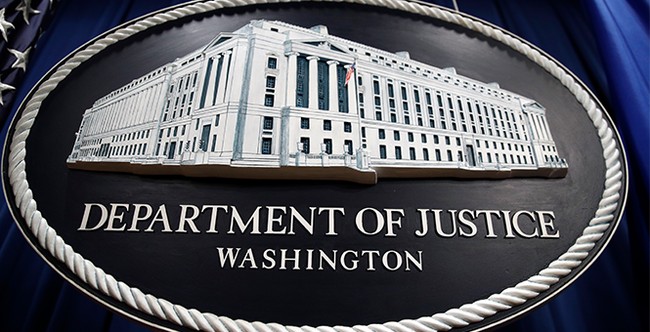
That is a stark accusation, and the acting attorney general laid it out plainly in court filings and public remarks. Below is the excerpt from Acting AG Blanche’s announcement, reproduced exactly as presented by the Department of Justice:
Good afternoon. Today, a few minutes ago in the Middle District of Alabama, a grand jury returned an 11-count indictment charging the Southern Poverty Law Center with six counts of wire fraud, four counts of bank fraud, and one count of conspiracy to commit money laundering.
According to the charges and the indictment, the SPLC is a non-profit entity that purports to fight white supremacy and racial hatred by reporting on extremist groups and conducting research to inform law enforcement groups with the goal of dismantling these groups.
As the indictment describes, the SPLC was not dismantling these groups. It was instead manufacturing the extremism it purports to oppose by paying sources to stoke racial hatred.
The indictment describes this conduct in detail. But one troubling example is that the SPLC was paying a member of the leadership group that planned the Unite the Right protest in Charlottesville, Virginia, in 2017 that resulted in the death of one person and injured dozens more.
This particular person, being paid by the SPLC, allegedly received approximately two hundred and seventy thousand dollars over the course of eight years.
That excerpt names a specific payment pattern: allegedly $270,000 to a single individual tied to Charlottesville over eight years. Beyond the headline-grabbing detail, the indictment reportedly documents multiple payments to figures linked to violent or extremist organizations. The acting attorney general described the conduct as manufacturing the very threat the group claimed to expose.
According to the indictment, the SPLC paid at least three million dollars between 2014 and 2023 to at least eight individuals associated with groups like the Ku Klux Klan, National Socialist Movement, Aryan Nations-affiliated groups, and others. The indictment contends that the SPLC then produced reporting and other work product that referenced or amplified those individuals’ activities. If true, donors were effectively funding the problem the organization said it was solving.
Here is another passage from the official charges that spells out the historical pattern, left intact as stated by prosecutors:
According to the indictment starting in the 1980s, the SPLC began operating a covert network of individuals who were either associated with violent and extremist groups, such as the Ku Klux Klan, or who had infiltrated violent extremist groups at the SPLC’s direction. Unbeknownst to donors, some of their donated money was being used to fund the leaders and organizers of racist groups at the same time that the SPLC was denouncing the same groups on its website.
That allegation, going back to the 1980s, frames this as a long-running practice rather than a brief lapse. Republicans will point to this as a cautionary tale about unchecked nonprofit power, the opacity of donor money, and the political utility of manufactured moral panic. The political fallout could be significant for groups that rely on outrage-driven fundraising.
Beyond politics, the case raises questions about how watchdog groups verify and vet sources, and how donors can be confident their dollars support stated missions. The indictment alleges a pattern where payments and reporting were intertwined in ways donors were not told about, which, if proven, undermines basic trust between charities and contributors. For conservatives who have suspected bias and manipulation in civic institutions, this feeds a broader narrative of accountability overdue.
The indictment also promises further legal and public scrutiny: criminal charges invite discovery, testimony, and more documents becoming public. That process could reveal details beyond what is already alleged and prompt a reexamination of standards for advocacy organizations. Meanwhile, the indictment itself has already changed the conversation and put fundraising practices under a microscope.
As the legal process unfolds and evidence is tested in court, expect both defenders and critics of the SPLC to wage the battle of narratives. For now, the indictment stands as a serious set of allegations that will be litigated, and it highlights a charged intersection of politics, money, and moral authority in American civic life.

Add comment